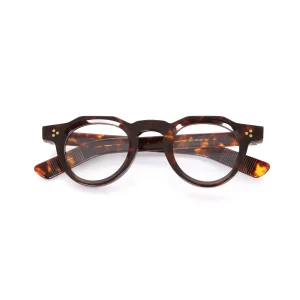
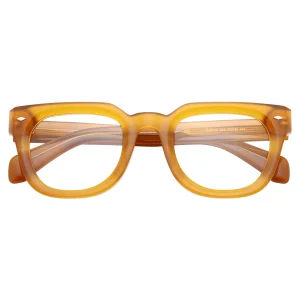
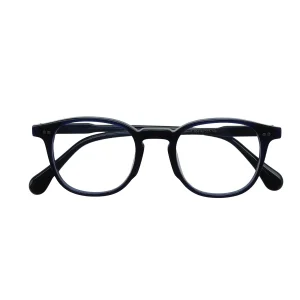
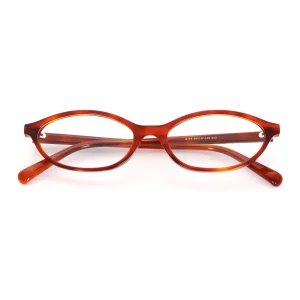
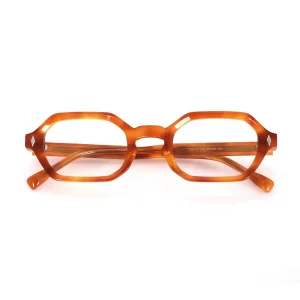
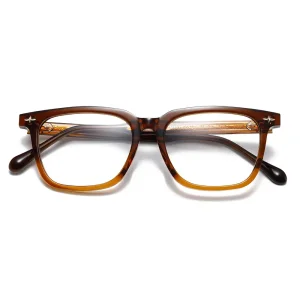
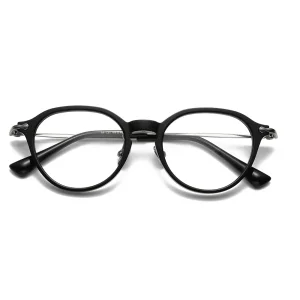
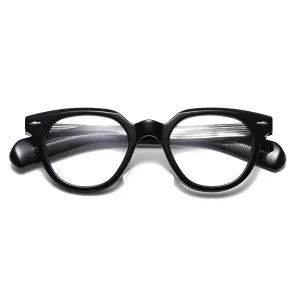
Engineered for structural durability, tactile luxury, and ergonomic precision to satisfy Mercosur optical standards.
An Executive Analysis on SIRA/SEDI Customs Transitions, Regulatory Compliance, and Consumer Demand Evolution in Latin America's Third-Largest Economy.
The Argentine optical retail and wholesale ecosystem is undergoing a profound structural transformation driven by macroeconomic realignments, regulatory updates, and changing end-consumer expectations. For optical frame importers, brand owners, and chain store distributors operating across major commercial centers such as Buenos Aires, Córdoba, Rosario, Mendoza, and San Miguel de Tucumán, securing a resilient, high-precision supply chain partner in China is no longer merely an option—it is a foundational imperative for maintaining market competitiveness.
The transition from the legacy SIRA (Sistema de Importaciones de la República Argentina) framework to the modernized SEDI (Sistema de Importaciones de la República Argentina Estadístico) has streamlined customs approval workflows for technical products. Importers now require highly transparent product documentation, accurate HS code declarations (9003.11 for plastic/acetate frames and 9003.19 for metal/titanium frames), and certified manufacturing provenance to clear Argentine Customs (DGA - Dirección General de Aduanas) without logistical friction.
In Argentina, prescription eyeglass frames and ophthalmic products fall under the regulatory oversight of ANMAT (Administración Nacional de Medicamentos, Alimentos y Tecnología Médica) under Disposición 7484/1999 and related medical device frameworks. Overseas suppliers must supply full technical files, biocompatibility reports (ISO 10993 standards), CE certification, and ISO 13485 / ISO 9001 compliance credentials so local technical directors (Directores Técnicos) can seamless register imports.
With inflation-hedging behavior defining purchasing strategies across South America, Argentine consumers are shifting away from cheap, brittle injected plastics toward high-durability, repairable, and long-lasting optical products. Mazzucchelli-grade cellulose acetate and pure aerospace titanium frames have emerged as the fastest-growing categories in retail boutiques across Palermo Soho, Recoleta, and Belgrano.
Deploying Advanced CNC Milling, Bio-Acetate Formulations, and Robotic Finishing to Redefine Frame Ergonomics for Latin American Retail Markets.
Modern optical buyers demand more than standard aesthetics. They require zero-stress bridge geometry, bio-compatible surface finishes, and structural flex dynamics that withstand rigorous daily wear. As a dedicated OEM/ODM manufacturer serving global and Mercosur markets, our technology roadmap focuses on four primary engineering pillars:
To eliminate optical distortion and frame warping under varying climate conditions—from the humid summers of Litoral to the dry cold of Patagonia—our acetate frames are processed through 5-axis German CNC milling machines. Custom copper wire cores are ultrasonically inserted into temples to allow easy heat-fitting and anatomical adjustment by Argentine opticians.
Addressing global sustainability initiatives, our material science lab formulates bio-based cellulose acetate synthesized from natural cotton linters and wood pulp, using phthalate-free plant plasticizers. This yields hypoallergenic, eco-certified frames meeting European and South American environmental standards without compromising tensile strength or color depth.
Our ultra-lightweight titanium collections weigh as little as 15 grams per frame. Utilizing cold-forged Japanese titanium billets and advanced PVD (Physical Vapor Deposition) ion plating, our frames achieve extreme resistance to sweat corrosion, skin oxidation, and mechanical friction, keeping pristine luster over years of use.
Facial structure parameters vary globally. Our R&D engineering team optimizes bridge nose pad angles ( pantoscopic tilt between 8° to 12°) and temple splay angles to fit Latin American nasal bridge profiles seamlessly, reducing slippage and pressure point discomfort.
Inside Yintai Eyewear’s Shenzhen Production Hub: 15 Years of Industrial Excellence, Vertical Integration, and Uncompromising Quality Control.
Yintai Eyewear is a leading manufacturer based in Shenzhen, Guangdong Province, China, specializing in eyewear production. After 15 years of dedicated development, we have evolved into a modern enterprise integrating technological R&D, precision manufacturing, and global sales. Our vertically integrated operational model ensures that Argentine importers receive direct factory pricing, absolute specification control, and guaranteed delivery schedules.

Located in the industrial park at Fuji Land Building, equipped with fully automated production lines, CNC machining centers, Class 10,000 cleanrooms, and automated tumbling systems.
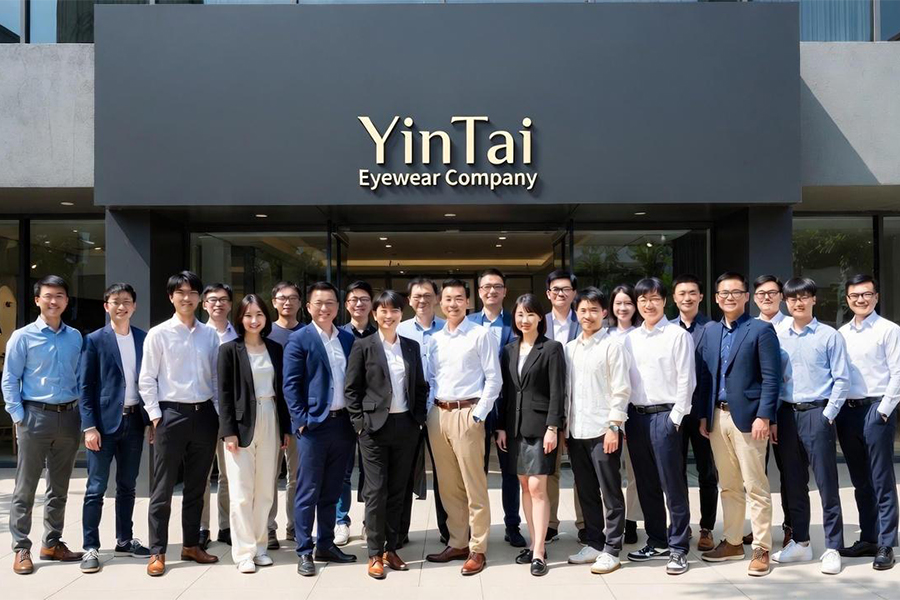
Over 200 dedicated employees, including a 10-member elite technical R&D team continuously driving product innovation and process optimization.
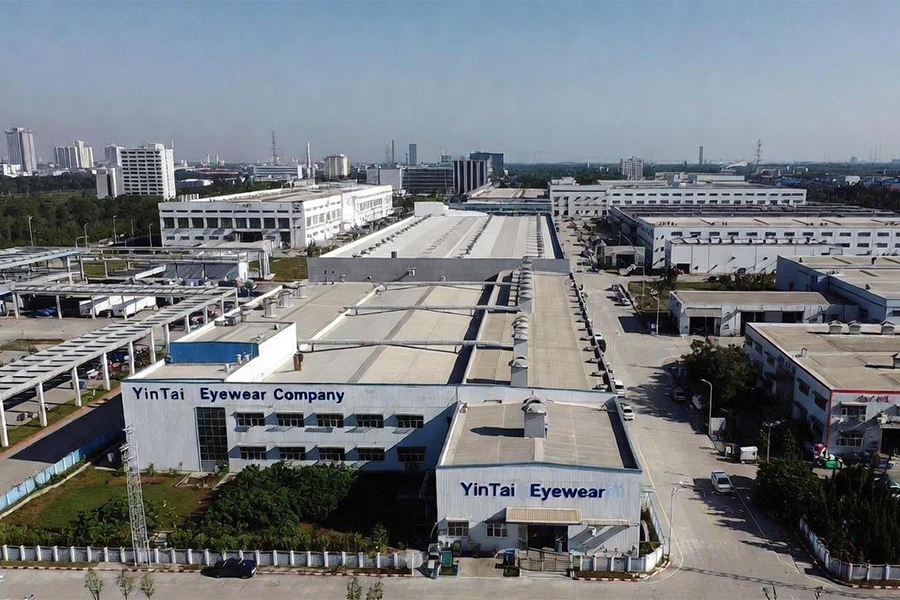
From raw material procurement and mold development to finished assembly. Translates to controllable costs, rapid delivery cycles, and stable quality.
★ Factory Area: Over 5,000 square meters of modern factory space.
★ Employee Scale: Over 200+ full-time skilled workers and optical technicians.
★ Monthly Production Capacity: Up to 20,000+ completed frames per month, comfortably accommodating high-volume order demands for large distribution networks.
★ Complete Certifications: Fully compliant with international standards including ISO 9001, CE, and RoHS.
★ Rigorous Quality Control: Executing strict quality control protocols across IQC (Incoming), IPQC (In-Process), and FQC (Final Quality Control), achieving a 99% finished product qualification rate.
★ One-Stop Service: 24-hour response cycle via our dedicated international sales team, offering end-to-end support from CAD prototyping to door-to-door customs logistics.
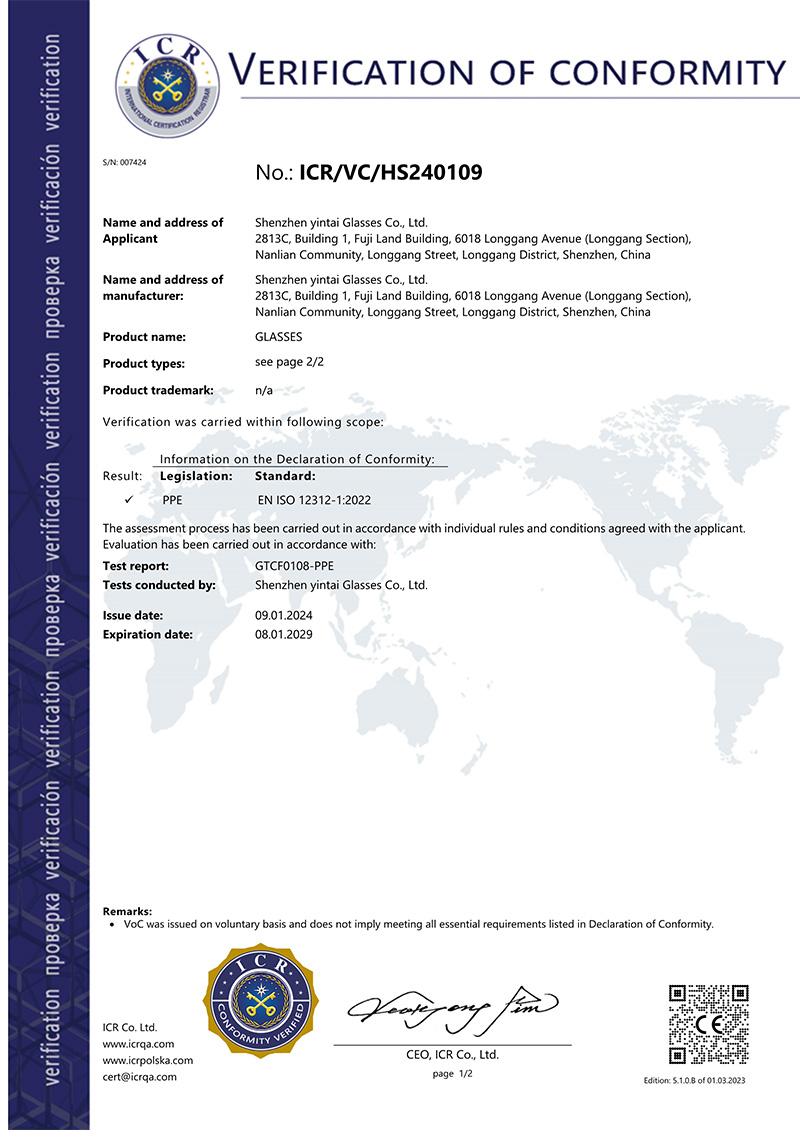
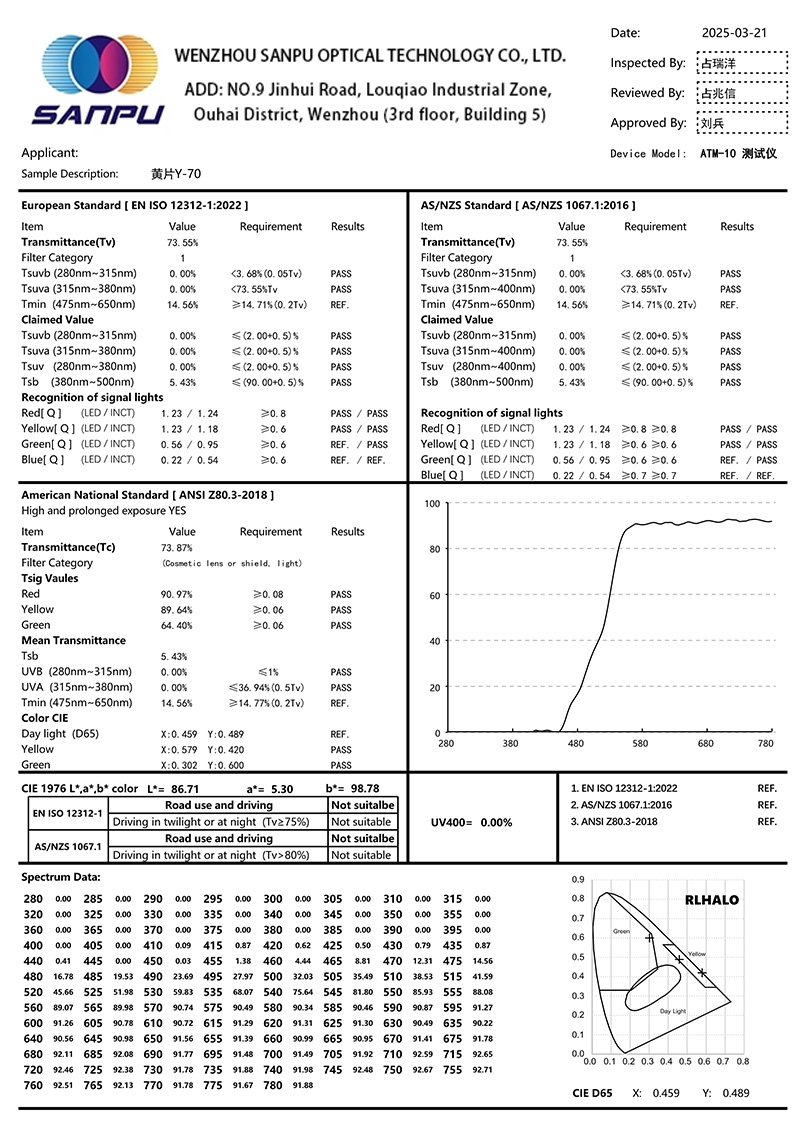
Tailored Supply Strategies Designed to Overcome Inflation Volatility, Lower Minimum Order Quantities, and Accelerate Time-to-Market.
Transform your brand concepts into physical optical collections. We offer laser temple engraving, customized foil stamping inside temple arms, branded micro-fiber cleaning cloths, custom eco-leather hard cases, and specialized packaging optimized for luxury boutiques in Argentina.
To reduce working capital tie-up under fluctuating currency conditions, we provide flexible MOQs starting at 300 pieces per model (with color split options). This allows Argentine distributors to test new market trends without taking on excess inventory risks.
Shorten product development cycles. Our 10-person technical team transforms client sketches or reference concepts into high-precision 3D CAD drawings within 48 hours, delivering physical prototypes to Argentina via express courier within 10-14 days.
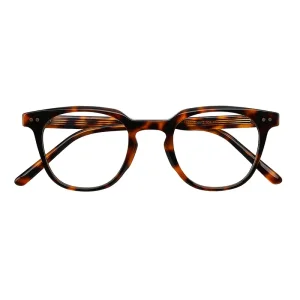
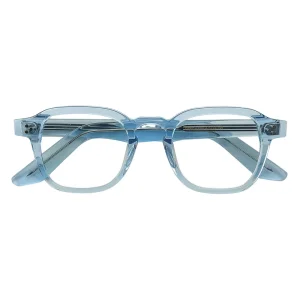
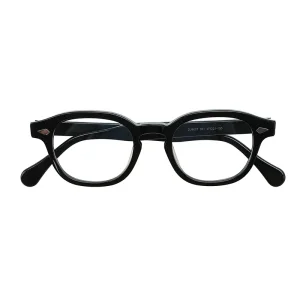
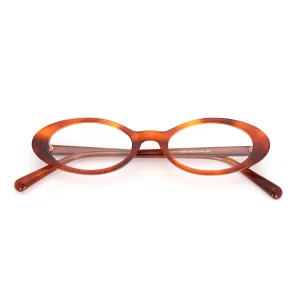
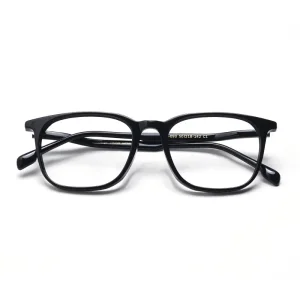
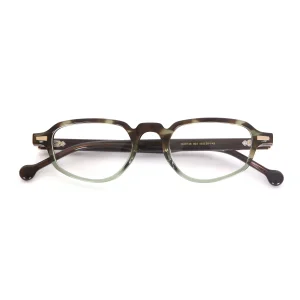
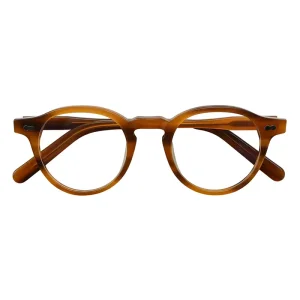
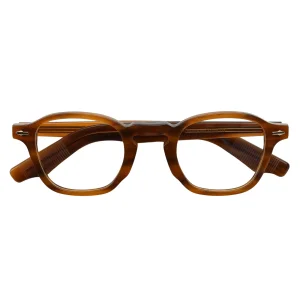
Browse our extensive lineup of Acetate, Titanium, and Combination frames available for Private Label OEM and Wholesale distribution.
Direct Answers to Common Procurement, Technical, Regulatory, and Logistics Inquiries from Argentine Eyewear Importers.
To clear optical frames through Argentine Customs under the SEDI (Sistema de Importaciones de la República Argentina Estadístico) system, importers require a commercial invoice, packing list, bill of lading (B/L or AWB), Certificate of Origin (CO), and the ANMAT medical device registration file. Yintai Eyewear provides all necessary manufacturing test reports, ISO 9001/CE declarations, and detailed HS Code breakdowns (9003.11/9003.19) to ensure seamless customs processing.
Our manufacturing processes comply with ISO 9001 quality management standards and CE compliance under European Regulation (EU) 2017/745 for medical devices. We supply complete raw material traceability, non-toxicity tests for cellulose acetate and titanium, and nickel-release test reports (EN 1811) required by ANMAT Technical Directors in Argentina.
Our standard MOQ for custom OEM acetate optical frames is 300 pieces per model, which can be split across 2 to 3 color variants (e.g., 100 pcs Black, 100 pcs Tortoiseshell, 100 pcs Crystal Clear). For titanium frames, MOQs start at 300 pieces. For in-stock standard models, smaller order volumes are available to support initial market testing.
3D CAD design approval takes 48 hours. Physical sample production requires 10 to 15 days. Mass production lead time is typically 35 to 45 days after sample approval and deposit confirmation. Air freight to Ezeiza International Airport (EZE) takes 5 to 7 days, while ocean freight to the Port of Buenos Aires takes approximately 35 to 42 days.
Yes. Our 10-person engineering R&D team regularly adjusts nose bridge widths, pantoscopic angles, temple curvetures, and pad arm heights to match specific regional anatomical preferences, ensuring superior wear comfort for Argentine consumers.
We specialize in top-grade Italian and Chinese cellulose acetate (including bio-based eco-acetate), high-purity Japanese Beta-Titanium, stainless steel, memory metal alloys, and lightweight TR90. All metal plating utilizes eco-friendly PVD vacuum coating for enhanced durability.
Partner with Shenzhen’s premier optical frame manufacturer. Contact our international export engineering team today for instant quotations, sample kits, and comprehensive technical consultation.
Send Inquiry Now Yintai Eyewear