Precision-Engineered Optical Frames & Sunglasses Direct from Shenzhen Manufacturing Hub
Decoding the Commercial Shift, Material Science, and Procurement Demand Patterns across Global Optical Markets
The global eyewear market has witnessed a profound structural shift over the last decade. Transparent spectacle frames—once considered a niche, minimalist trend—have firmly established themselves as a dominant product category in boutique optical retail, prescription chain stores, and high-fashion luxury portfolios worldwide. According to global optical trade metrics, clear, translucent, and subtle crystal-tinted frames now represent over 22% of total optical frame sales across North America and Western Europe, with rapid compound annual growth rates (CAGR) exceeding 8.4% in Asia-Pacific markets.
For B2B buyers, brand owners, procurement managers, and wholesale distributors, sourcing premium transparent spectacle frames requires navigating complex technical challenges. Unlike opaque black or dark tortoiseshell frames, crystal clear acetate and transparent TR90 components offer zero room for manufacturing flaws. Internal air bubbles, micro-inclusions, core-wire oxidation, poor hinge anchoring, and UV-induced photo-yellowing are immediately visible to the end consumer. Consequently, partnering with top-tier manufacturers that master polymer stability, cleanroom processing, and precision CNC milling is the single most critical factor for ensuring brand equity and minimizing product return rates.
Information Gain Key Insight: Optical transparency demands absolute structural purity. In transparent frame manufacturing, quality assurance extends beyond external polishing; it requires molecular-level UV stabilization, moisture content control during acetate curing, and sub-micron tolerance in wire-core insertion.
Engineering Transparent Eyewear for Durability, UV Stability, and Skin Compatibility
Selecting the optimal raw material is the cornerstone of successful transparent frame production. B2B buyers must evaluate mechanical flexibility, refractive clarity, weight, thermal stability, and long-term resistance to environmental degradation. The three primary polymers utilized by leading manufacturers include Cellulose Acetate, Swiss Grilamid TR90, and emerging Bio-Based Polymers.
| Material Property | Premium Cellulose Acetate | Swiss Grilamid TR90 | Bio-Based Eco Acetate |
|---|---|---|---|
| Optical Clarity / Luminous Transmittance | 92.4% (Ultra-High Depth) | 89.5% (High Clarity) | 91.8% (Crystal Clear) |
| UV Photo-Yellowing Resistance | Superior (with HALS & UV-328) | Excellent (Inherent UV Stability) | High (Eco-stabilized) |
| Density / Frame Weight | 1.28 - 1.32 g/cm³ (Substantial) | 1.01 - 1.05 g/cm³ (Ultra-Light) | 1.25 - 1.29 g/cm³ (Standard) |
| Structural Adjustability & Heating | Excellent (Heat-pliable by Opticians) | Low (Shape-memory, Cold adjustment) | Excellent (Heat-pliable) |
| Wire Core Customization | Micro-engraved Wire Core Visible | Molded / Injection Coreless | Micro-engraved Wire Core Visible |
| Biodegradability & Eco-Status | Traditional (Plastified Cotton/Wood) | Petroleum Polyimide Synthetic | 100% Bio-degradable (ISO 14855) |
The primary point of failure for low-grade transparent spectacle frames is premature yellowing caused by UV light oxidation, sebum contact, and atmospheric ozone. When lower-grade plasticizers are used, exposure to sunlight breaks down organic polymer chains, causing clear acetate to turn pale amber within months.
At Yintai Eyewear, our research & development team solves this structural weakness by integrating dual-action stabilization systems during the raw material sheet extrusion process. By incorporating UV-328 Light Absorbers combined with Hindered Amine Light Stabilizers (HALS), free radicals generated by solar radiation are chemically trapped and neutralized before degradation occurs. Accelerated Xenon arc aging tests confirm that our transparent optical frames withstand over 1,500 hours of continuous UV radiation with a color shift delta (ΔE) under 0.8, ensuring crystal transparency for over 36 months of real-world consumer wear.
Why the World’s Leading Luxury Optical Brands Depend on Shenzhen Infrastructure
Utilizing high-speed 5-axis CNC machining centers imported from Germany and Japan to carve frame fronts and temples from solid block acetate with strict ±0.02mm lens groove tolerances.
A rigorous 96-hour automated wooden peg and walnut shell dry polishing sequence, followed by hand-buffing by master technicians to achieve optical mirror surface brilliance.
Transparent components are assembled, hinged, and inspect-packed in airborne dust-controlled cleanrooms to eliminate electrostatic dust adherence and micro-scratches.
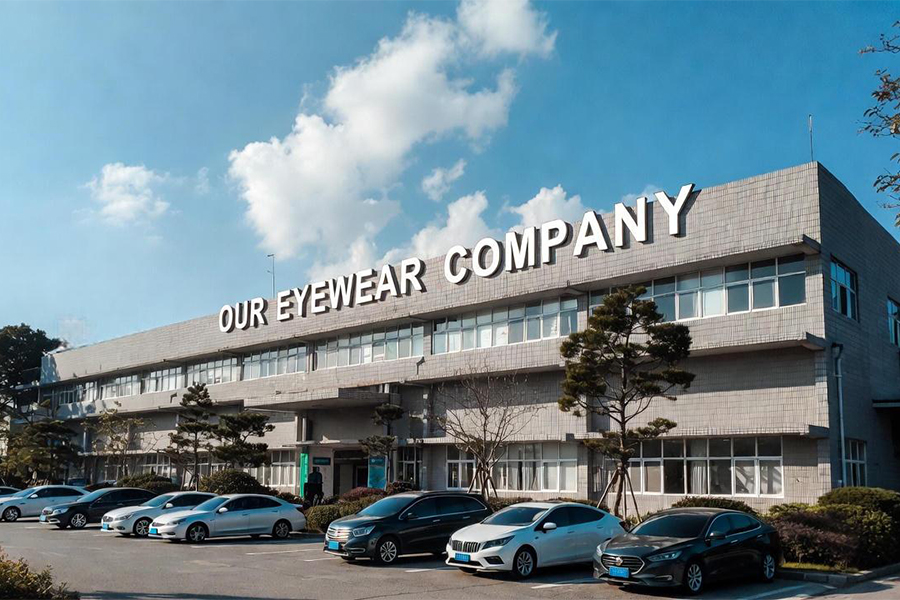
Located in the industrial park at Fuji Land Building, equipped with: fully automated production lines, CNC machining centers, Class 10,000 cleanrooms, and more, ensuring both stable production capacity and consistent quality.
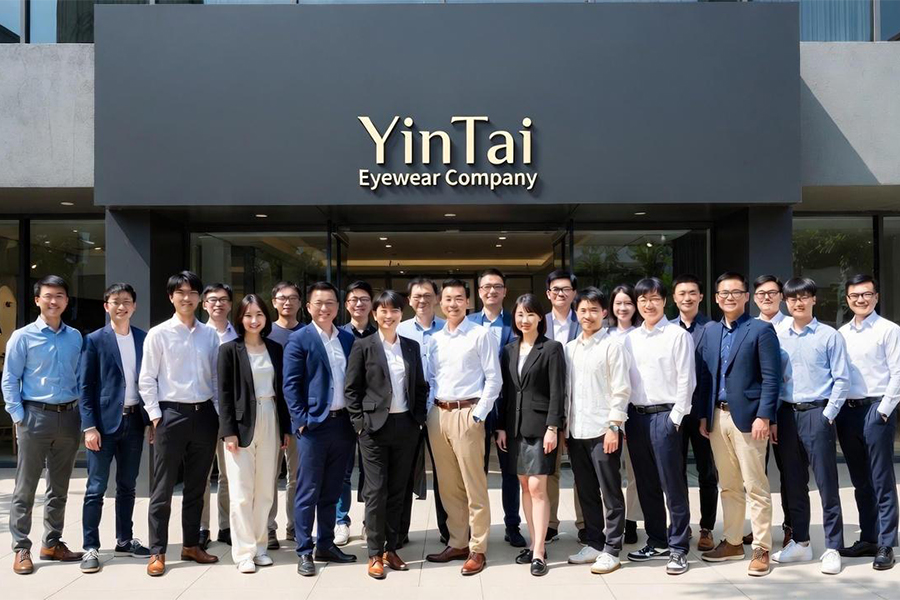
We have over 200 dedicated employees, including a 10-member elite R&D and technical team that continuously drives product innovation and process optimization.
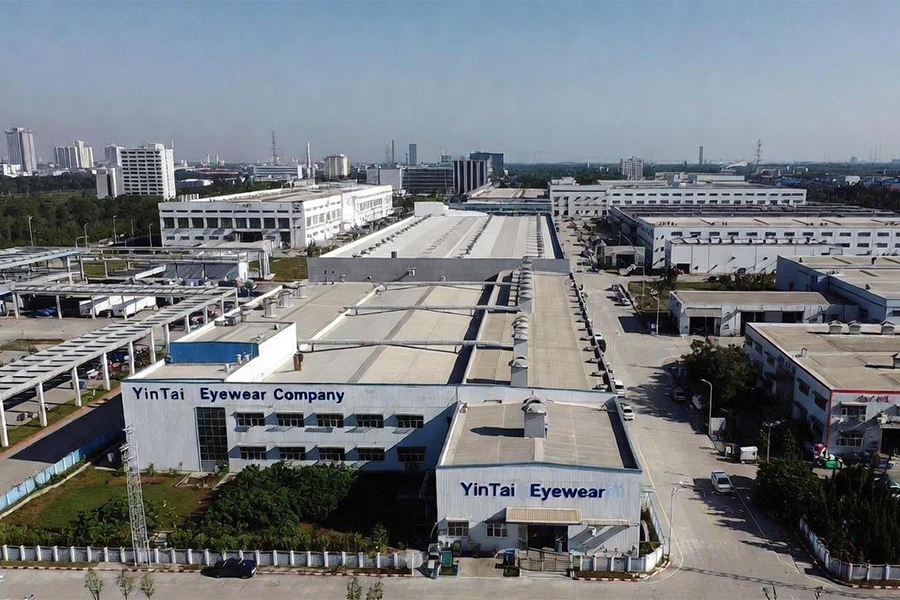
From raw material procurement and mold development to finished product assembly, we have achieved vertical integration across core production processes. This translates to more controllable costs, faster delivery cycles, and more consistent product quality.
How Modern Transparent Frames Power Diverse Retail Segments & Tech Integration
Modern luxury consumers seek subtle branding and architectural frame geometry. Transparent frames showcase intricate laser-engraved titanium wire cores, 5-barrel custom hinges, and bevel edge cuts. Transparent tinting (such as champagne clear, smoked crystal, and crystal olive) allows designers to align eyewear collections with seasonal apparel colorways.
Prescription optical labs require frames with exact lens groove geometry and consistent frame warming flexibility. Transparent acetate frames manufactured by Yintai maintain consistent structural elasticity when warmed to 55°C-60°C by opticians, allowing seamless mounting of high-index digital progressive lenses without stress fracturing.
The rise of Smart Audio and Augmented Reality (AR) glasses has created high demand for semi-transparent TR90 and bio-cellulose frames. Transparent temples visually soften the bulk of embedded micro-pcbs, batteries, and directional speakers, making wearable technology look like traditional fashion eyewear.
Environmental regulations across the EU and North America are pushing brands toward sustainable supply chains. Modern transparent frames utilize eco-acetate formulated with bio-based plasticizers derived from corn starch and wood pulp, achieving 100% biodegradability while maintaining crystal-clear optical transparency.
Essential Quality Checkpoints & Technical Metrics for Enterprise Buyers
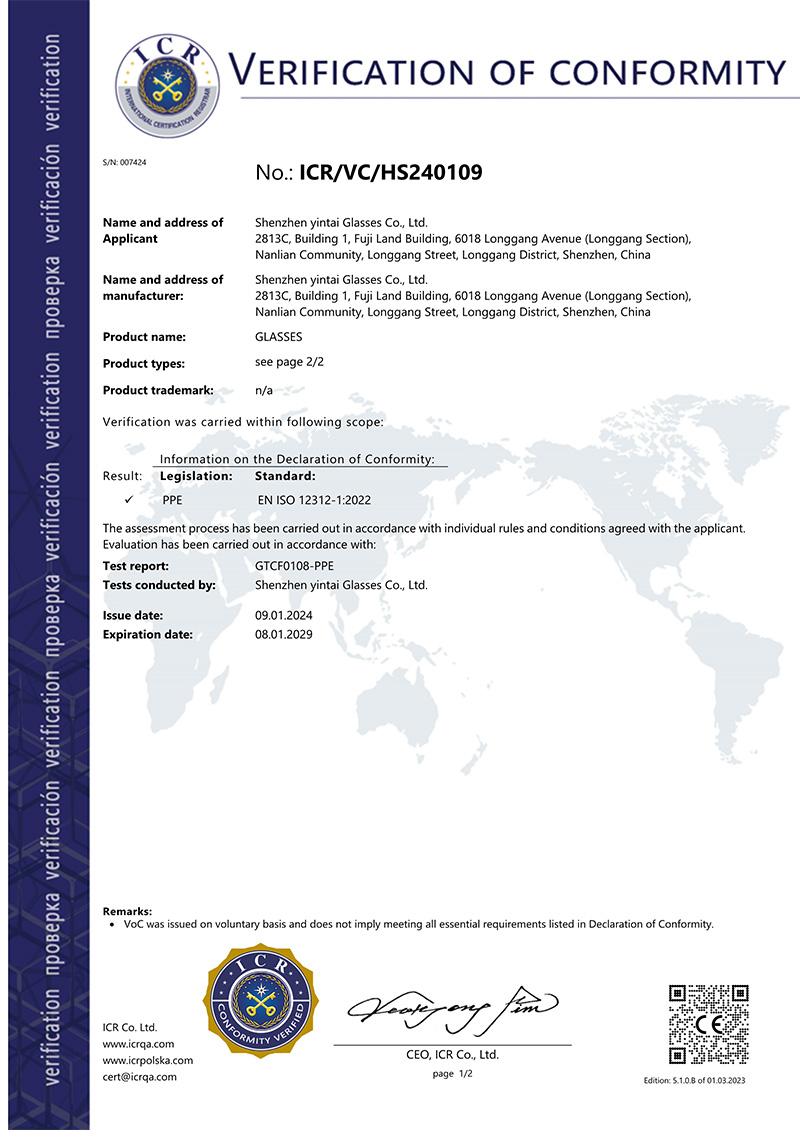
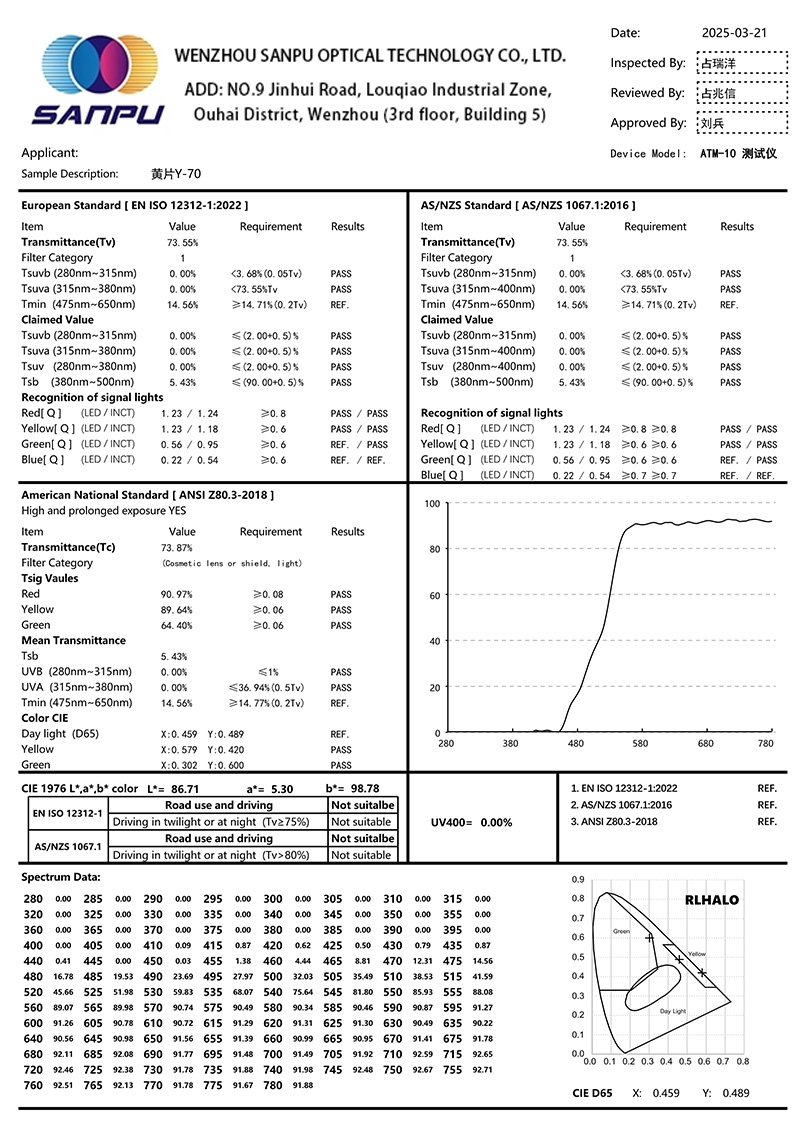
When procuring high-volume transparent spectacle frames from overseas factories, brand procurement officers must establish rigorous verification standards. A single batch defect in transparent material clarity can cause widespread consumer warranty claims. Below is the technical procurement audit checklist implemented by Yintai Eyewear:
Expert Engineering & Supply Chain Insights for Eyewear Importers & Buyers
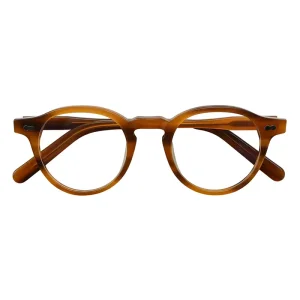
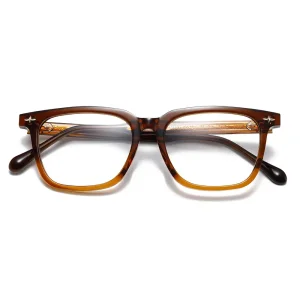
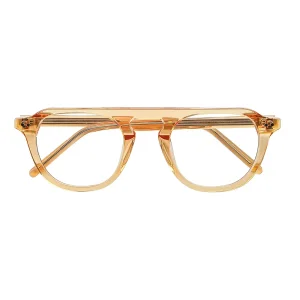
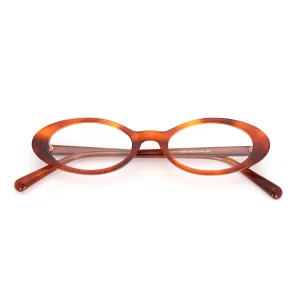
Full-Spectrum Vintage, Modern, Titanium, and Acetate Optical Collections
 Yintai Eyewear