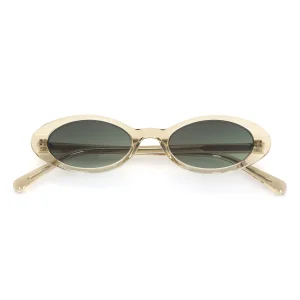
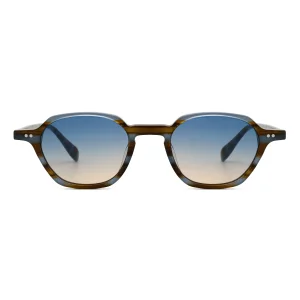
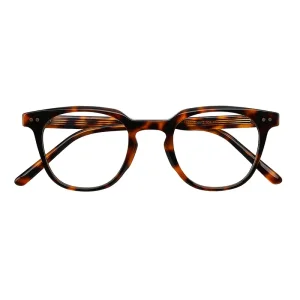
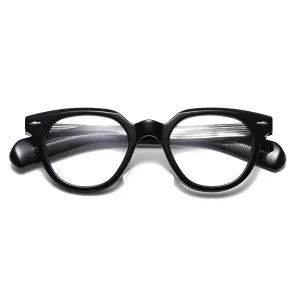
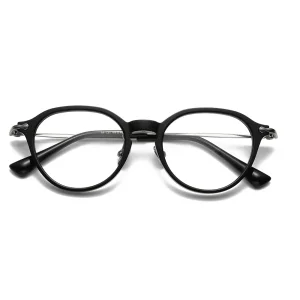
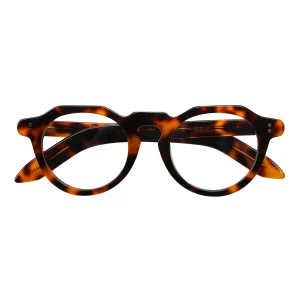
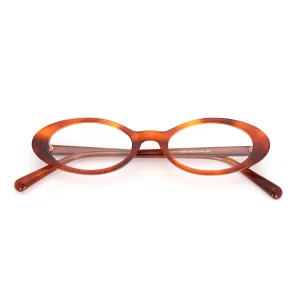
Engineered for petite facial contours, high-diopter prescription optimization, and ergonomic comfort. Direct from China's premier precision manufacturing facility.
Analyzing global demand shifts, anatomical sizing metrics, and optical physics imperatives driving the resurgence of small-aperture spectacle frames.
The eyewear industry is undergoing a structural transition. For over a decade, oversized frames dominated fashion runways and retail shelves. However, data-driven optometric analyses indicate a rapid market shift toward small eyeglass frames (lens width ≤ 48mm, bridge width 16–21mm). This shift is propelled by two major forces: global demographic diversification and an rising prevalence of high myopia requiring optimized lens geometry.
In mature optical markets across North America, Western Europe, and East Asia, optical retailers report an increasing demand for "Petite Fit" and "Asian Fit" frames. Standard mass-produced spectacles frequently suffer from bridge slippage, temporal pinching, and vertex distance distortion when worn by individuals with narrow pupillary distances (PD: 54–62mm) or refined facial bones. Consequently, specialized wholesale procurement of small frames has transitioned from a niche segment into a strategic driver of retail profitability.
From an optical engineering perspective, small frames offer unmatched physical advantages for prescription lens fitting. The volume and edge thickness of a minus lens increase exponentially as the Effective Diameter (ED) of the lens cut increases, as governed by the standard optical formula:
t_edge = t_center + (P × d²) / (2000 × (n - 1))
By specifying small frame dimensions (e.g., A-size 44–47mm), optical labs can dramatically reduce lens edge thickness for high-minus prescription wearers (e.g., -6.00D to -12.00D). This yields three tangible performance metrics:
How high-grade Japanese Pure Titanium, Italian Mazzucchelli Bio-Acetate, and 5-Axis CNC Precision Tooling redefine structural stability in small frame geometries.
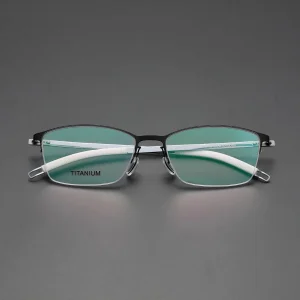
Small frames require high tensile strength due to their slim rim profiles. We utilize Japanese Gr2 Pure Titanium for rigid front structures and β-Titanium (Ti-15Mo-5Zr-3Al) for flexible temples. Titanium's strength-to-weight ratio allows frame bridge thicknesses down to 1.2mm without risking frame deformation under stress.
For acetate small frames, material shrinkage and warping are critical quality risks. We source premium bio-based cellulose acetate (e.g., Mazzucchelli 1849) cured for over 90 days. High-density acetate ensures that thin profile small frames (3.5mm rim thickness) retain structural integrity and vibrant color depth over years of daily wear.
Small optical frames demand tolerances within ±0.05mm to ensure proper lens groove beveling and lens retention. Our manufacturing center employs 5-axis German and Japanese CNC machine centers to carve intricate bridge bevels, ergonomic nose pad arms, and hand-carved vintage textures directly into titanium and acetate blanks.
Original Factory Data & Infrastructure Supporting International Brands, Wholesale Distributors, and Optometric Buying Groups.
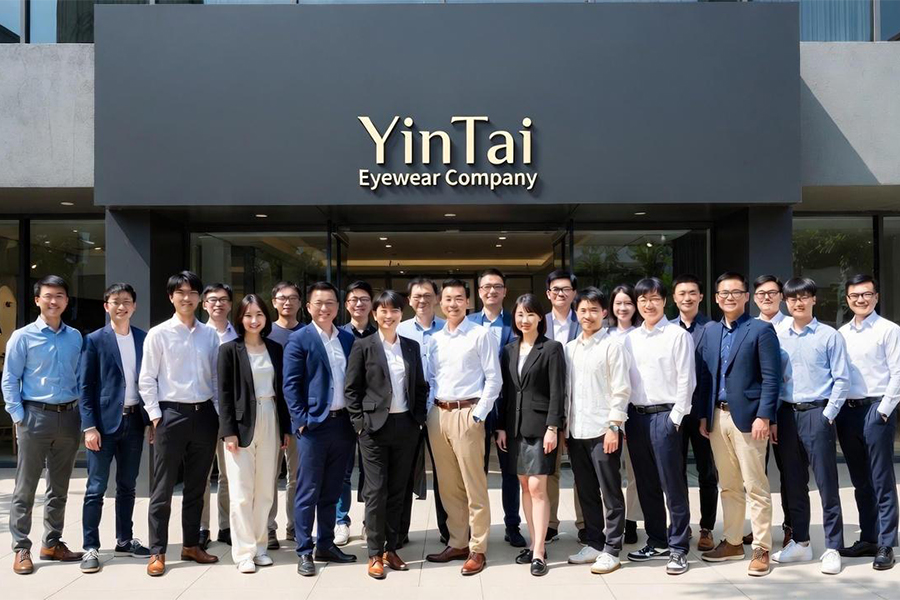
Yintai Eyewear is a premier manufacturer based in Shenzhen, Guangdong Province, China, specializing in high-end optical frame and sunwear production. After 15 years of dedicated development, we have evolved into a modern industrial enterprise integrating technological R&D, precision automated tooling, zero-defect quality control systems, and robust global B2B distribution logistics.

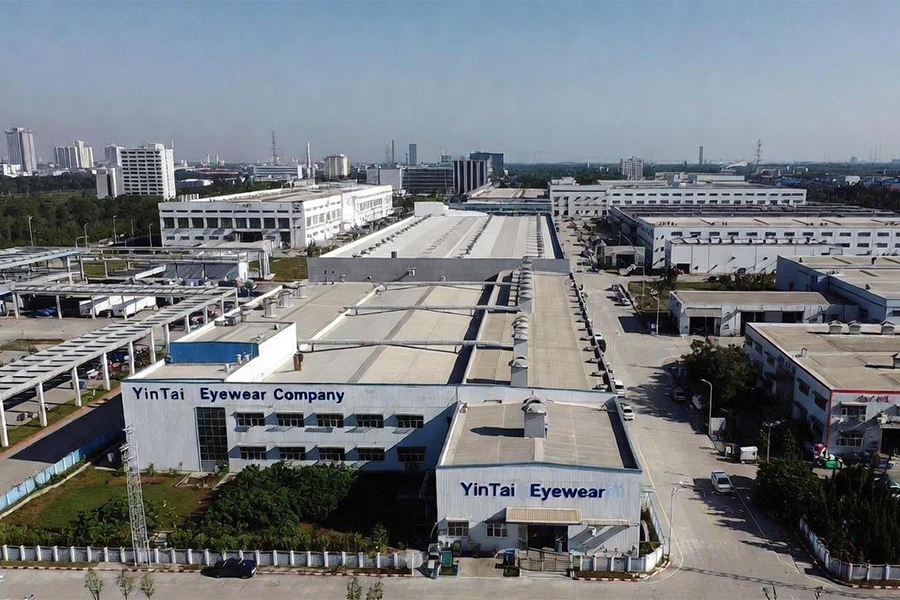
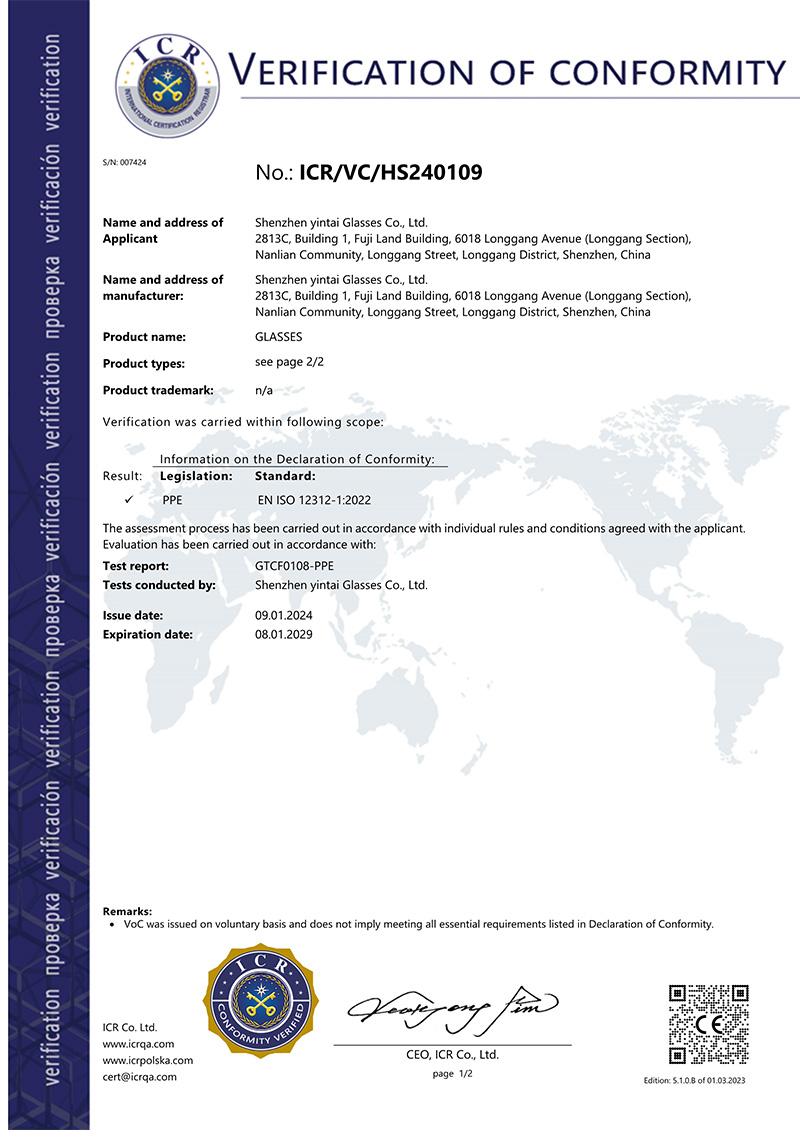
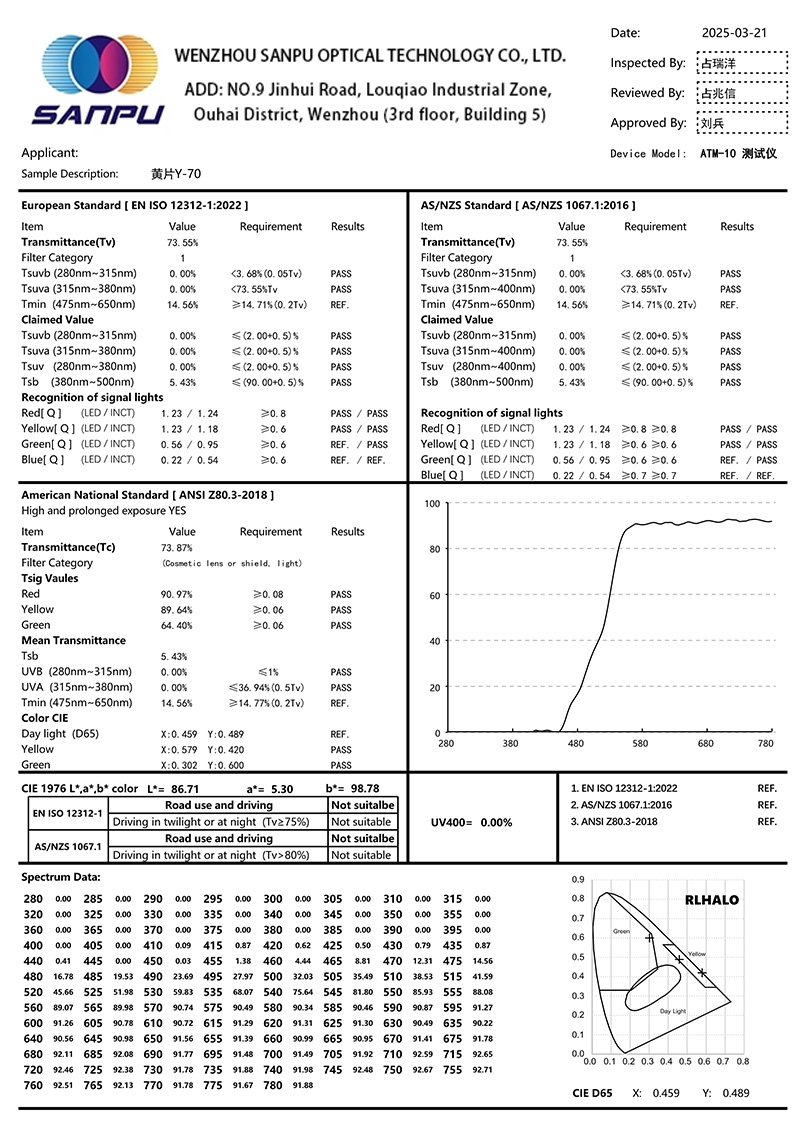
Tailored OEM/ODM frame configurations for specialized market sectors and consumer sub-demographics worldwide.
Standard European sizes (52–56mm lens width) often slip down low nasal bridges or rest uncomfortably on cheeks. Our targeted small frame lines feature reduced temple flare angles (180° to 184°), narrow pantoscopic tilt (6°–8°), and elevated nose pads (or extended titanium pad arms) to provide anatomical perfection for narrow faces across global regions.
Optometry clinics and prescription specialists require frames engineered specifically for high diopter lenses (-6.00D to -15.00D). Small round and oval optical frames with lens diameters between 42mm and 46mm drastically reduce rim edge mass, eliminating heavy lens drag and visual distortion. Private label optical practices utilize our titanium small frames to maximize patient satisfaction.
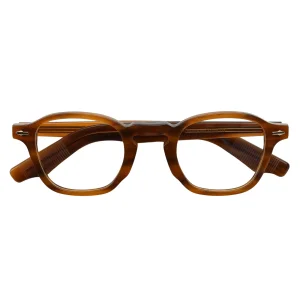
Fashion forward urban eyewear labels are capitalizing on retro-inspired small frames: classic narrow rectangular acetate frames, polygonal geometric shapes, and vintage hand-carved titanium pieces. These boutique collections require high aesthetic values such as hand-burnished tortoiseshell textures, custom laser-etched filigree, and custom tint nylon lenses.
Anticipating industrial innovations in small frame engineering, automated manufacturing, and smart eyewear convergence.
Transitioning from traditional CNC milling to Selective Laser Sintering (SLS) of Grade 5 titanium powder. This additive manufacturing process allows for hollow-core small frames, reducing total frame weight under 10 grams while enabling complex internal structural lattice designs.
By 2026, 100% of our acetate small frame production will adopt bio-degradable cellulose derivatives free of phthalate chemical binders. These eco-frames undergo accelerated biodegradation tests compliant with ISO 14855 standards, aligning with global green procurement mandates.
Designing ultra-compact temple cavities within small form factor frames to integrate micro-AR displays, directional audio micro-transducers, and low-power Bluetooth IC chips without expanding the outer silhouette of sleek optical frames.
Technical, manufacturing, and commercial answers for optical buyers, importers, and brand procurement managers.
Explore our full wholesale series engineered with premium titanium, high-density cellulose acetate, and classic polygonal or round silhouettes.
 Yintai Eyewear