Explore our top-tier catalog engineered for international brands, optical chains, and luxury eyewear distributors.
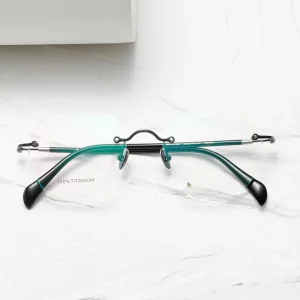
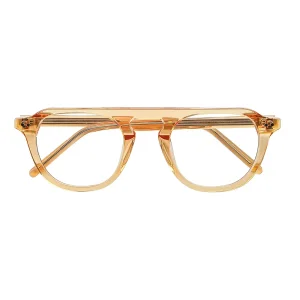
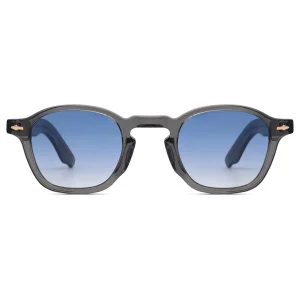
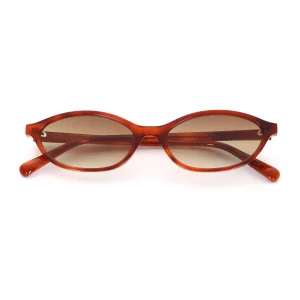
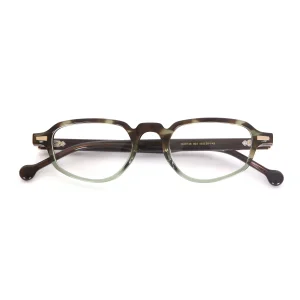
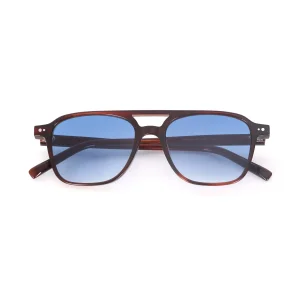
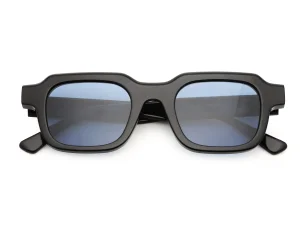
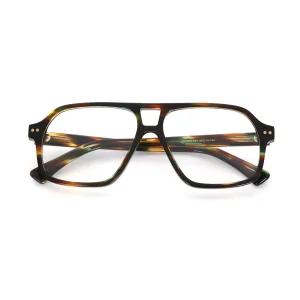
In the rapidly evolving global eyewear ecosystem, the market demand for specialized sizing—specifically petite glasses frames engineered for adults with narrow facial structures, lower bridge profiles, or smaller Pupillary Distances (PD)—has shifted from a niche segment into a high-growth, high-margin category. Historically, consumers requiring frame lens widths under 50mm were forced to choose between poorly fitting standard adult frames or pediatric options lacking aesthetic sophistication. Today, modern micro-machining OEM factories are enabling global optical brands to capture this lucrative market through precision engineering and tailored anatomical fits.
For B2B procurement managers, retail optical chains, and boutique private labels, securing a specialized OEM Petite Glasses Frames Factory is no longer just about buying smaller plastic or metal components. It requires partnering with a production facility capable of micro-mold development, balanced frame weight distribution, custom pantoscopic tilt adjustments, and ultra-precise bridge positioning. This whitepaper serves as an authoritative technical blueprint for evaluating OEM manufacturing capabilities, material science applications, regulatory compliance, and supply chain logistics in petite eyewear production.
Designing and manufacturing petite frames demands vastly different tolerances compared to standard eyewear. When scaling down a frame's physical dimensions, engineers must avoid simply shrinking the design uniformly, which results in pinched nose bridges, excessive temple pressure, and improper lens positioning relative to the optical center. Leading OEM factories utilize parametric CAD modeling to recalibrate frame proportions holistically.
| Dimensional Parameter | Standard Adult Eyewear | OEM Petite Frame Standard | Engineering Objective & Ergonomic Impact |
|---|---|---|---|
| Lens Width (A-Size) | 50mm – 56mm | 44mm – 49mm | Eliminates excessive lens thickness at temporal edges for high-minus prescriptions. |
| Bridge Width (DBL) | 18mm – 22mm | 14mm – 17mm | Ensures secure seating on narrow nasal roots; prevents slipping without pinching. |
| Temple Length | 145mm – 150mm | 130mm – 140mm | Prevents excessive arm extension behind ears, eliminating sore spots and lever action. |
| Total Frame Width | 135mm – 145mm | 120mm – 130mm | Aligns temple hinges flush with smaller facial contours to eliminate gaping gaps. |
| Pantoscopic Angle | 8° – 12° | 6° – 9° Optimized | Prevents lower rim cheek contact on flatter facial anatomical profiles. |
The choice of raw materials dictates the durability, structural rigidity, and weight profile of petite frames. Premium OEM factories employ advanced metallurgy and high-density polymers:
1. Japanese & Grade 4 Pure Titanium: Boasting an exceptional strength-to-weight ratio, pure titanium frames engineered for petite profiles offer ultra-light comfort (often under 10 grams total weight). Rimless and semi-rimless petite titanium frames eliminate visual heaviness while delivering extreme flexibility and hypoallergenic protection.
2. Bio-Cellulose Acetate (Mazzucchelli 1849): High-density cellulose acetate allows for ultra-thin profile milling without sacrificing structural integrity. Custom OEM formulations enable rich color depth, tortoiseshell hues, and crystal transparencies while allowing cold-bending adjustments by opticians.
3. Beta-Titanium Memory Alloys: Ideal for temples and bridge wire components, beta-titanium provides spring-like elasticity, enabling petite frames to absorb lateral impact and maintain precise alignment over years of daily wear.
As a premiere OEM/ODM manufacturing force based in Shenzhen, Guangdong Province, China, Yintai Eyewear exemplifies the hard power and vertical integration required to produce high-precision optical frames for international procurement leaders. Over 15 years of continuous innovation, Yintai has evolved into a state-of-the-art enterprise combining R&D engineering, automated tooling, and global export infrastructure.
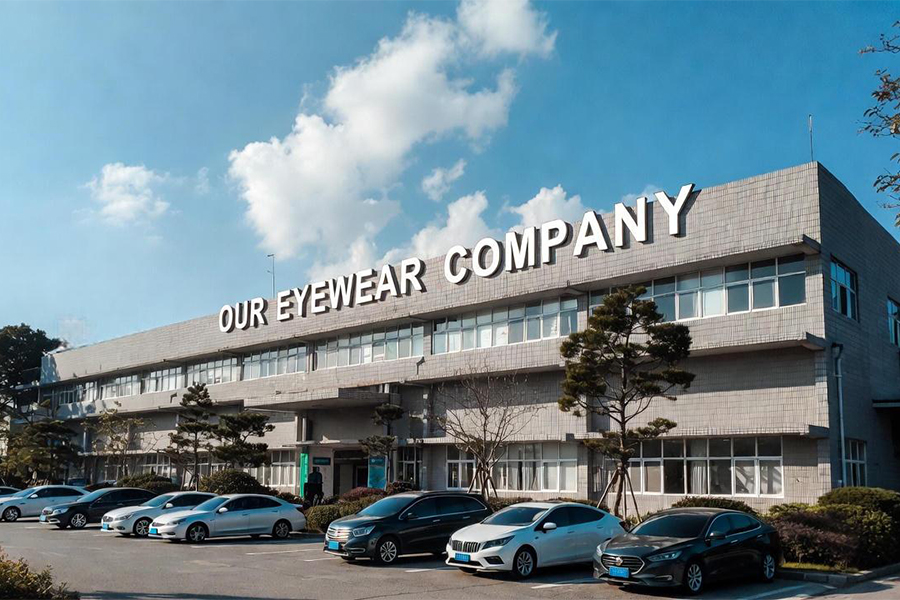
Located in the modern industrial park at Fuji Land Building, equipped with fully automated production lines, 5-axis CNC machining centers, and Class 10,000 cleanrooms, ensuring pristine surface finishing, consistent capacity, and razor-thin manufacturing tolerances.
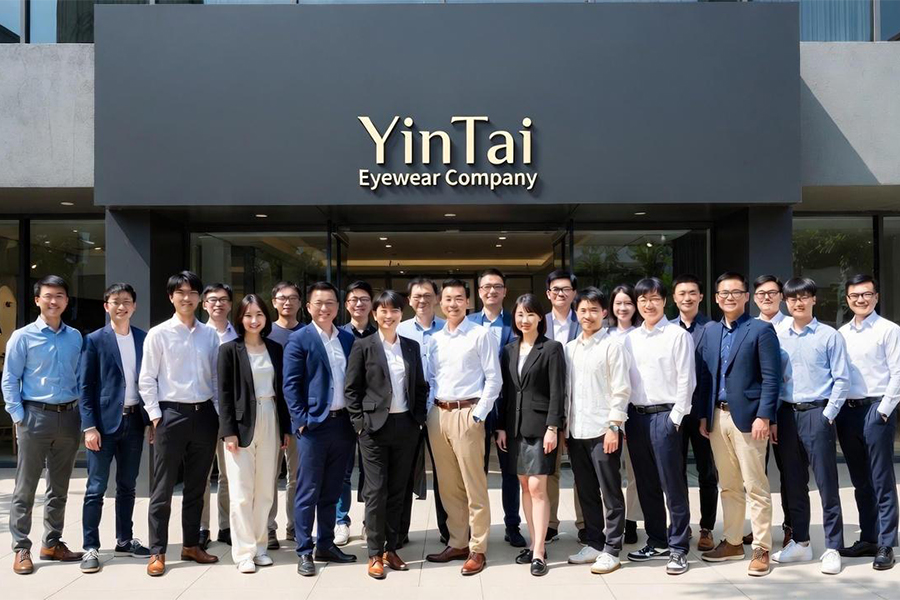
Supported by a dedicated workforce of over 200 employees, including an elite 10-member R&D technical engineering team focused on micro-mold development, structural frame optimization, and customized OEM prototyping.
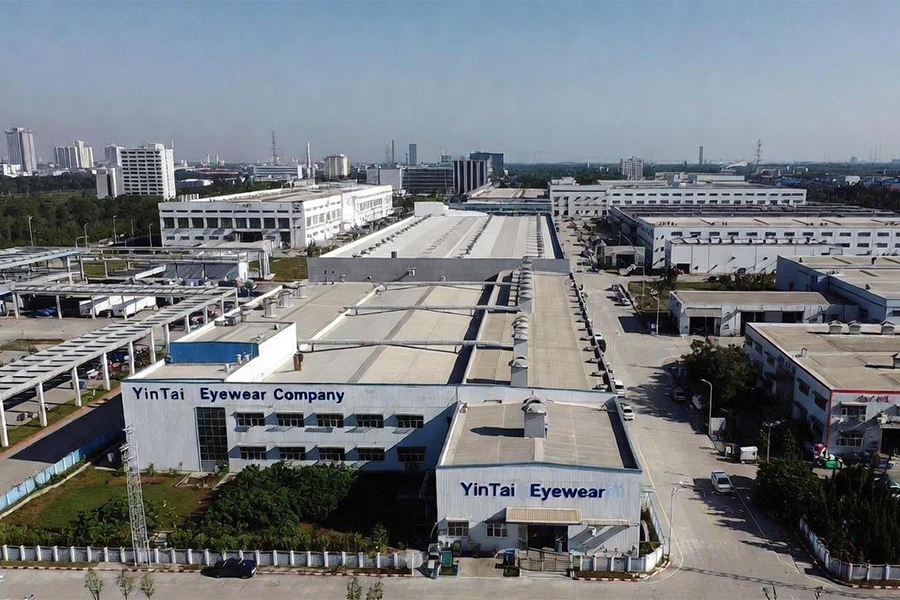
From raw material verification and custom mold development to precision electroplating and finished product assembly, full vertical integration guarantees lower unit costs, accelerated production cycles, and uncompromised quality.
Enterprise buyers seeking custom OEM petite frames must manage complex operational variables, including Minimum Order Quantities (MOQs), rapid prototyping turnaround, logo customization, and shipping lead times. Modern B2B sourcing strategies prioritize supplier flexibility, multi-axis customization, and guaranteed batch-to-batch consistency.
Precision laser etching, core-wire custom engraving, gold foil hot-stamping, and custom acetate temple tip logos for high-end brand identity recognition.
Accelerated 3D modeling and sample delivery within 7-10 business days, drastically reducing time-to-market for new seasonal collections.
Rigorous IQC (Incoming Quality Control), IPQC (In-Process Quality Control), and FQC (Final Quality Control) matrices guaranteeing a 99%+ qualification yield rate.
Exporting optical prescription frames and premium eyewear into key international markets (North America, European Union, United Kingdom, Asia-Pacific) requires strict adherence to international health, safety, and environmental directives. Partnering with a fully certified OEM factory mitigates custom clearance risks and protects brands against non-compliance liabilities.
Key regulatory frameworks implemented in modern OEM petite frame manufacturing include:
The convergence of advanced material science, digital scanning, and smart wearable technology is reshaping the future of petite optical frames. Industry-leading factories are actively investing in next-generation manufacturing capabilities:
AI-driven facial scanning integration allowing custom algorithmic sizing adjustments for ultra-small bridge and temple profiles.
100% biodegradable eco-acetates and recycled titanium alloys meeting global corporate sustainability ESG standards.
Micro-engineered smart temples accommodating miniaturized posture and biometric health monitoring components without adding bulk.
Selective Laser Melting (SLM) production enabling zero-waste custom titanium petite frames with complex lattice structures.
Empowering global distributors and optical brands with guaranteed monthly yield, ISO-certified quality matrices, and rapid overseas customer support.
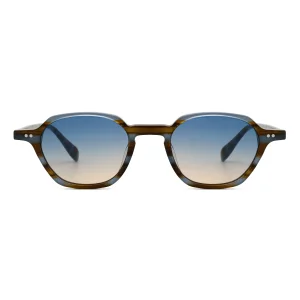
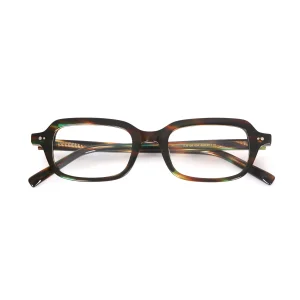
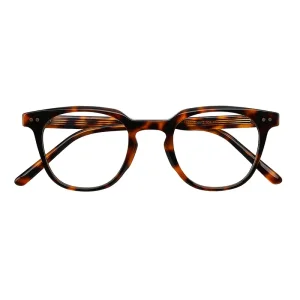
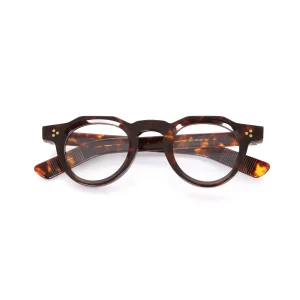
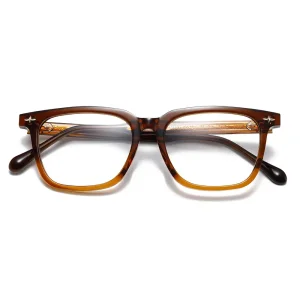
Precision-manufactured acetate, titanium, and vintage square frames ready for custom OEM branding.
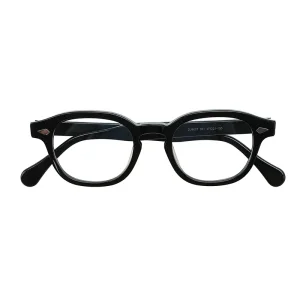
 Yintai Eyewear