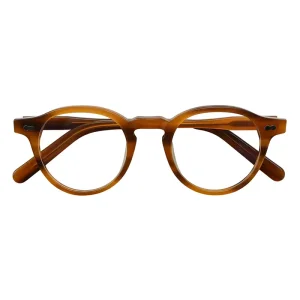
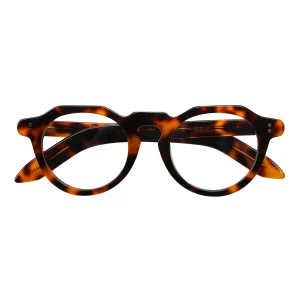
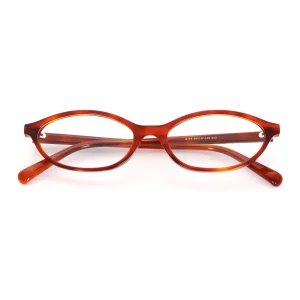
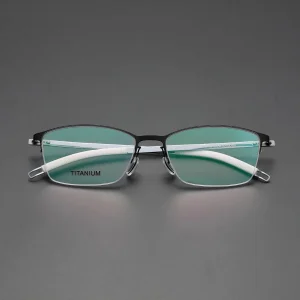
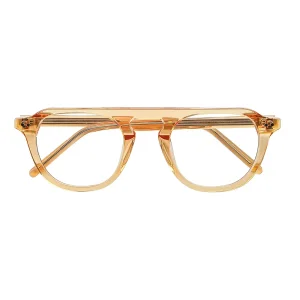
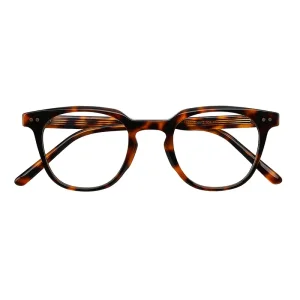
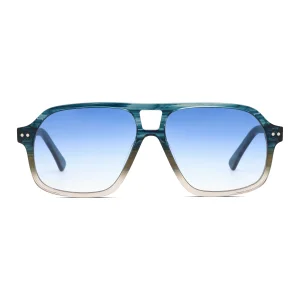
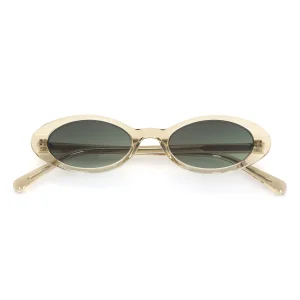
The global eyewear landscape is experiencing a structural shift driven by changes in consumer aesthetics, material innovations, and stringent regulatory demands. In the premium eyewear sector, OEM Oval Acetate Optical Frames have evolved from a niche vintage movement into a core cornerstone for modern luxury brands, independent optometry chains, and fashion-forward private labels worldwide.
Cellulose acetate—derived from renewable organic natural cotton linners and wood pulp fibers—serves as the primary raw material of choice. Unlike standard injection-molded plastics, high-grade organic acetate exhibits exceptional dimensional stability, rich color depth, non-allergenic bio-compatibility, and superior tactile warmth. Current B2B procurement trends indicate a 34% year-over-year increase in global market demand for narrow oval, retro-elliptical, and geometric soft-oval frames across North America, Europe, and Asia-Pacific markets.
Information Gain Insight: Modern OEM manufacturing is no longer merely about cutting frames; it is an integrated engineering process combining 5-axis CNC micro-milling, thermal curing technology, automated hinge embedding, and sustainable bio-based polymer chemistry.
Leveraging eco-friendly cotton-cellulose compounds with plasticizer ratios calibrated under 22%, delivering optimal frame flexibility, zero skin toxicity, and long-term structural anti-warping integrity.
Streamlined 3D optical rendering, rapid digital prototyping, and integrated mold-free CNC cutting shorten development lead times from concept to market delivery by over 40%.
Specifically engineered optical bevel grooves (V-grooves) and anatomical bridge curvature designed to accommodate global multi-ethnic facial structures with balanced weight distribution.
Manufacturing world-class Oval Acetate Optical Frames requires precise control over raw material seasoning, multi-stage diamond tool carving, barrel tumbling, and hand polishing. Below is the technical breakdown of our manufacturing protocol:
| Manufacturing Stage | Technical Parameters & Specifications | Quality Assurance Standard |
|---|---|---|
| Material Seasoning | Cellulose acetate sheets aged in temperature-controlled rooms (45°C - 50°C) for 60 to 90 days. | Drives out volatile solvents; prevents post-assembly warping (<0.05mm variance). |
| 5-Axis CNC Milling | High-speed diamond cutters running at 24,000 RPM carve front rims, bevel angles, and temple cores. | Tolerance within ±0.02mm, ensuring seamless prescription lens insertion. |
| Wire Core Insertion | Thermal hydraulic embedding of nickel-silver or titanium core wires into raw temples. | Maintains structural memory and facilitates custom optometric temple bending. |
| Barrelling & Polishing | 72-hour 4-phase organic tumbling using hardwood chips, walnut shells, and fine pumice paste. | Achieves high-gloss, glass-like surface finishing without altering rim dimensions. |
| Hinge Assembly | High-frequency heat-stake embedding of 3-barrel, 5-barrel, or custom spring hinges. | Hinge torque resistance test passing over 20,000 opening/closing flex cycles. |
The geometric complexity of oval shapes requires precise lens groove profiling. Unlike square or rectangular frames where stress is localized at corners, oval frames distribute lens rim tension continuously along the circumference. Our proprietary CNC lens beveling ensures zero frame warping under high-diopter lens installation, securing optical alignment and structural integrity.

Located in the industrial park at Fuji Land Building, equipped with: fully automated production lines, CNC machining centers, Class 10,000 cleanrooms, and more, ensuring both stable production capacity and consistent quality.
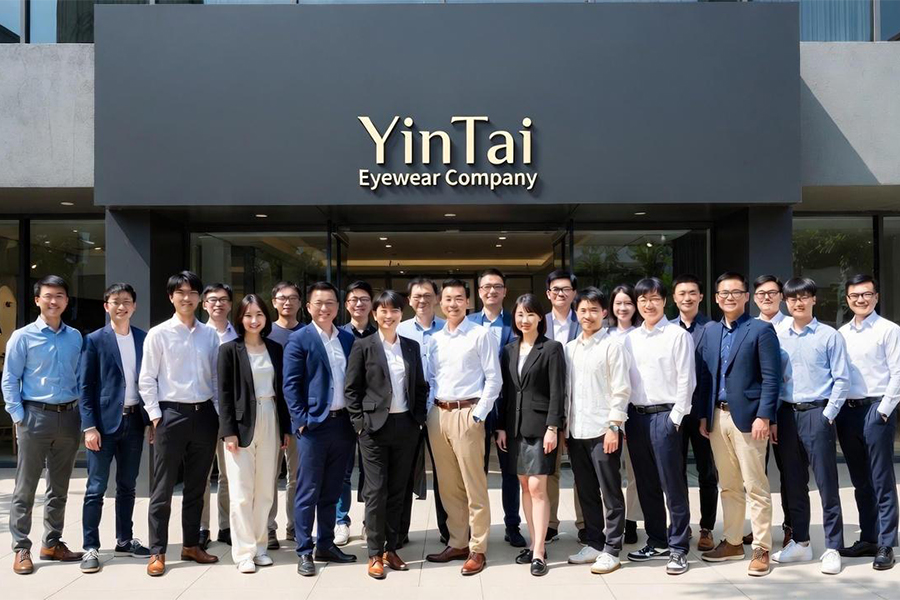
We have over 200 dedicated employees, including a 10-member elite R&D and technical team that continuously drives product innovation and process optimization.
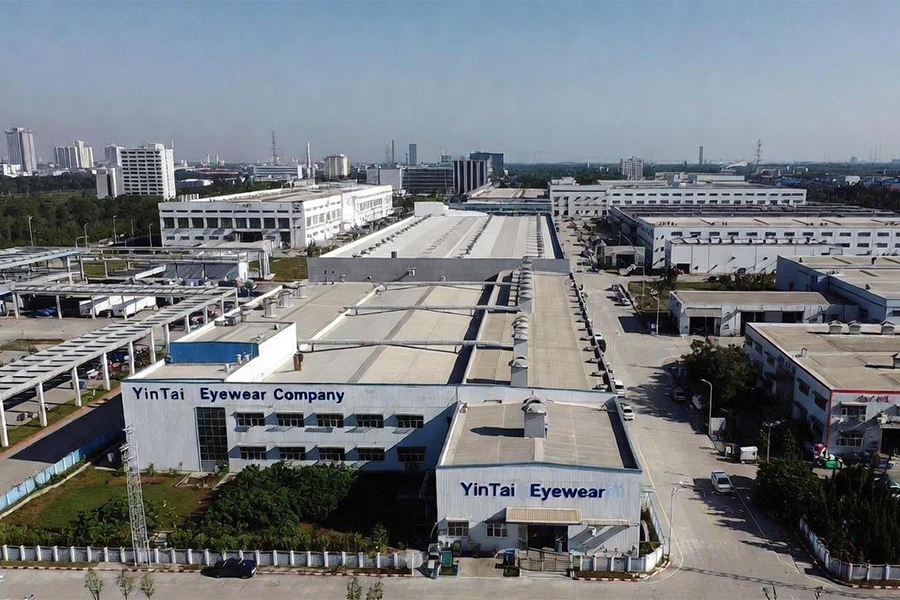
From raw material procurement and mold development to finished product assembly, we have achieved vertical integration across core production processes. This translates to more controllable costs, faster delivery cycles, and more consistent product quality.
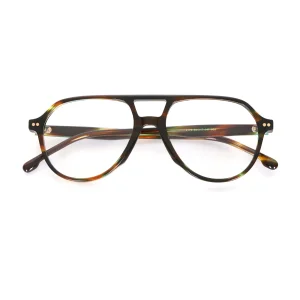
The versatility of Oval Acetate Optical Frames makes them suitable across diverse global commercial channels. By customizing rim thickness, wire core patterns, bridge widths, and color lamination, we cater to specific market verticals:
High-density Mazzucchelli acetate blocks paired with custom hand-finished 5-barrel hinges and laser-engraved core wires for high-end retail collections.
Flexible low MOQ options (starting from 10 pieces per color for select catalog models) with quick turn-around private label custom logo hot-stamping.
Standardized lens groove depths compatible with automatic patternless lens edgers, simplifying prescription glazing for retail opticians.
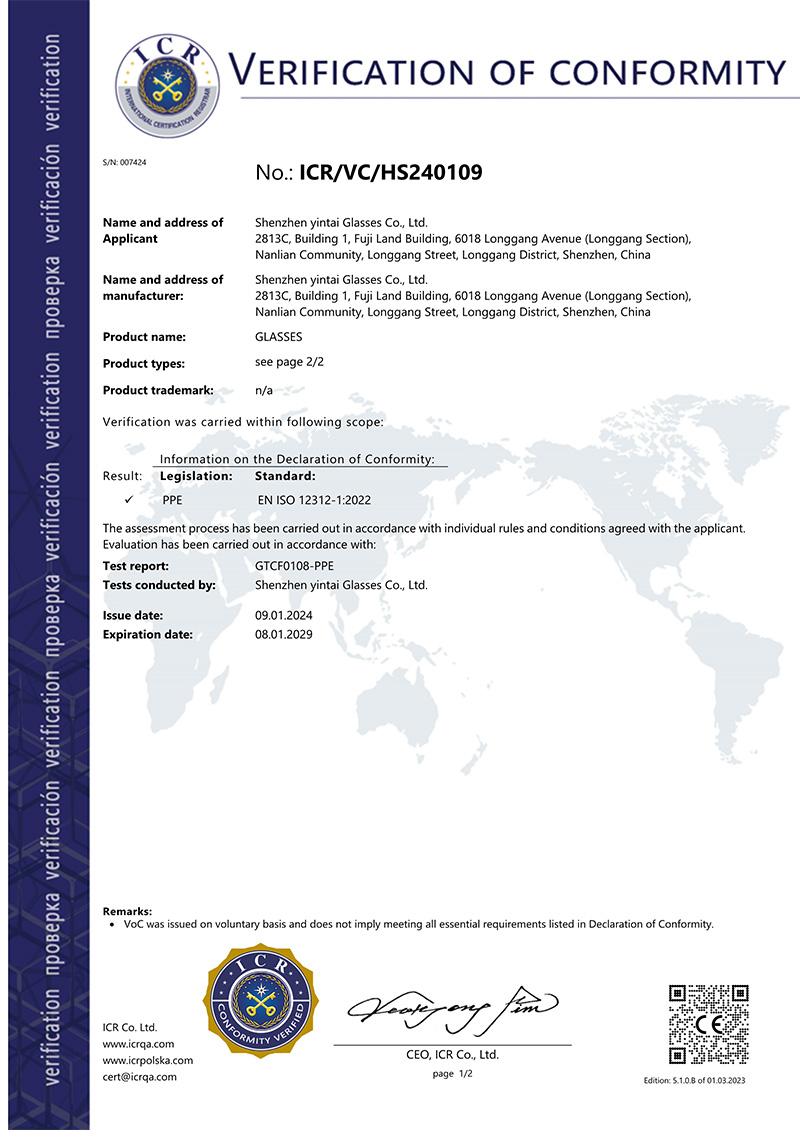
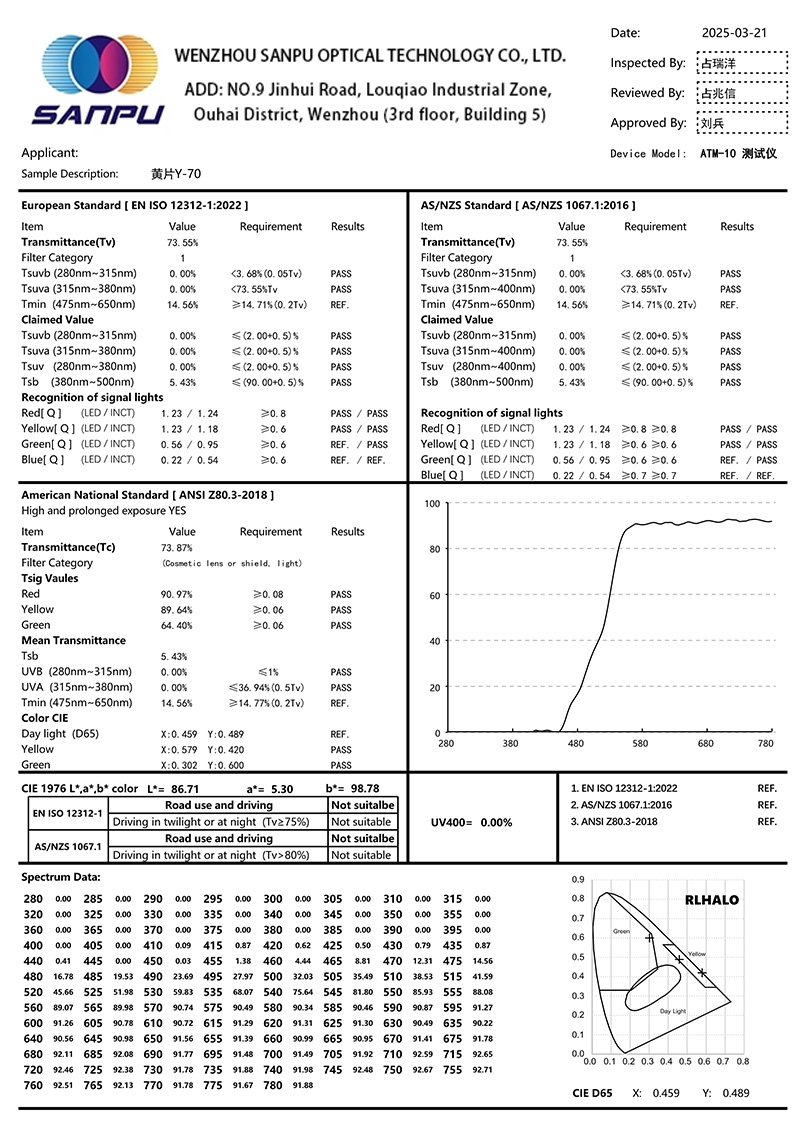
Navigating global optical regulations requires strict adherence to material safety, mechanical testing, and environmental standards. As a certified OEM manufacturer, Yintai Eyewear ensures seamless international market access:
To maintain market leadership, our engineering laboratory continuously advances raw material research and precision machining techniques. Key initiatives on our technical roadmap include:
Transitioning toward plant-derived non-phthalate plasticizers derived from corn starch, achieving 100% biodegradability within 180 days under industrial composting conditions.
Co-extruding Beta-Titanium inner wires with micro-thin 2.5mm acetate rims to reduce total frame weight by 35% while preserving classic oval styling.
Implementing closed-loop CNC chip recovery systems that pelletize acetate scrap for industrial non-optical structural components, cutting landfill waste to zero.
 Yintai Eyewear