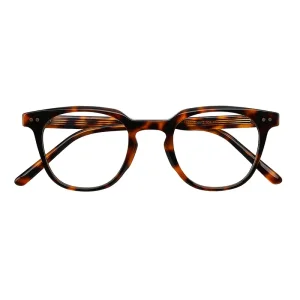
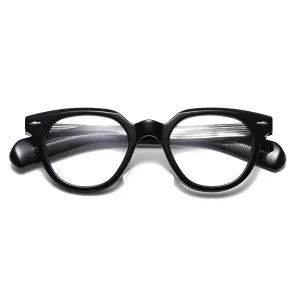
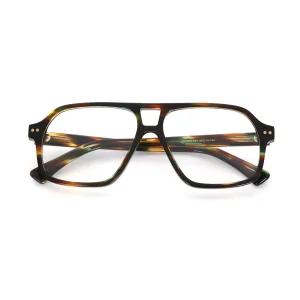
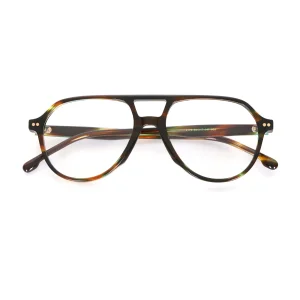
Explore our export-ready collection of high-precision optical frames, polarized metal sunglasses, and vintage acetate hybrid designs manufactured under rigorous ISO9001 standards.
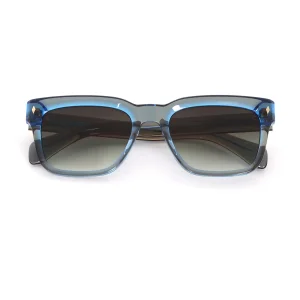
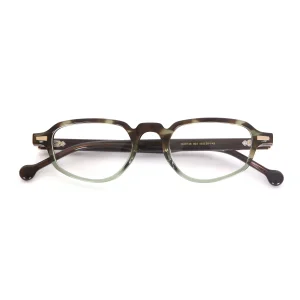
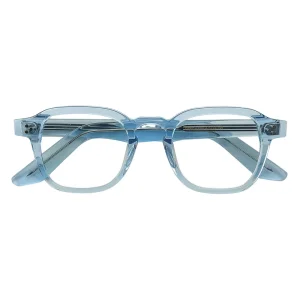
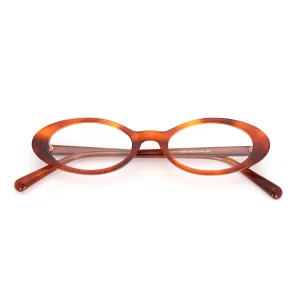
Strategic Insights for Enterprise Buyers, Private Label Distributors, and Global Retail Chains Sourcing OEM Precision Eyewear
In the modern premium eyewear sector, the demand for OEM Metal Frame Sunglasses has evolved far beyond basic aesthetics. Global market intelligence indicates a definitive shift toward ultra-lightweight alloys, bio-compatible titanium structures, and hybrid metal-acetate frame geometries. International procurement entities, optical brand chains, and e-commerce conglomerates face an imperative to secure manufacturing partners capable of balancing sub-millimeter structural tolerances with scalable, high-yield production capabilities.
Metal sunglasses frames present unique engineering hurdles during mass manufacturing. Unlike standard plastic injected frames, high-grade metals—such as pure titanium, Beta-titanium, memory alloy, and 316L surgical-grade stainless steel—require strict thermal monitoring during cold stamping, five-axis CNC milling, and high-vacuum PVD ion plating. Enterprise buyers prioritize structural longevity, frame rigidity under torsional stress, and anti-corrosive performance against human sweat (sweat resistance testing per ISO 12870).
Optimization of temple weight ratio to frame front, utilizing tapered titanium profiles to minimize bridge pressure while ensuring a non-slip ergonomic retention fit across various facial contours.
Transitioning from traditional electroplating to Advanced Physical Vapor Deposition (PVD) vacuum coating. Ensures scratch-resistant, nickel-free finishes compliant with EU REACH and California Prop 65.
Deployment of German OBIS or OBE spring hinge assemblies alongside Teflon-coated locking screws to eliminate hinge loosening, rated for over 20,000 open-close cycle fatigue tests.
Comparative structural roadmap evaluating material selection, tooling complexity, and OEM compliance metrics for high-volume enterprise buyers.
Selecting the appropriate material substrate and manufacturing workflow dictates a product line's unit economic viability, warranty defect rate, and consumer satisfaction. Below is an engineering comparison matrix designed for technical procurement managers evaluating frame substrate specifications.
| Material Substrate | Structural Density | Corrosion Resistance | Tooling / CNC Precision | Target B2B Application |
|---|---|---|---|---|
| Pure Titanium (Gr2) | 4.51 g/cm³ (Ultra-Light) | Exceptional (Hypoallergenic) | High (Tolerance ±0.02mm) | Luxury Optical & Luxury Metal Sunglasses |
| Beta-Titanium Alloy | 4.43 g/cm³ (High Elasticity) | Superior (Sweat Proof) | Extreme Micro-machining | Flex-temple Sport & Active Metal Eyewear |
| Stainless Steel (316L) | 8.00 g/cm³ (High Tensile) | High (PVD Coated) | Standard CNC Stamping | Commercial Mid-Tier Fashion Sunglasses |
| Monel / Nickel-Silver | 8.90 g/cm³ (Standard Alloy) | Moderate (Requires Plating) | Conventional Tooling | Cost-effective Volume OEM Promotions |
Our factory simplifies complex customizable product developments through modern computerized design workflows. From 2D vector blueprints and 3D CAD modeling to rapid SLA resin prototyping within 48 hours, client concepts transition swiftly to physical metal master molds. Automated 5-axis CNC machines execute front-rim contouring and bridge wire swaging with strict repeatability, reducing human margin of error down to minimal limits.
Shenzhen's Premier High-Precision Eyewear Production Center — 15 Years of Engineering Innovation and Global Export Leadership
Yintai Eyewear is a leading manufacturer based in Shenzhen, Guangdong Province, China, specializing in eyewear production. After 15 years of dedicated development, we have evolved into a modern enterprise integrating technological R&D, precision manufacturing, and global sales.
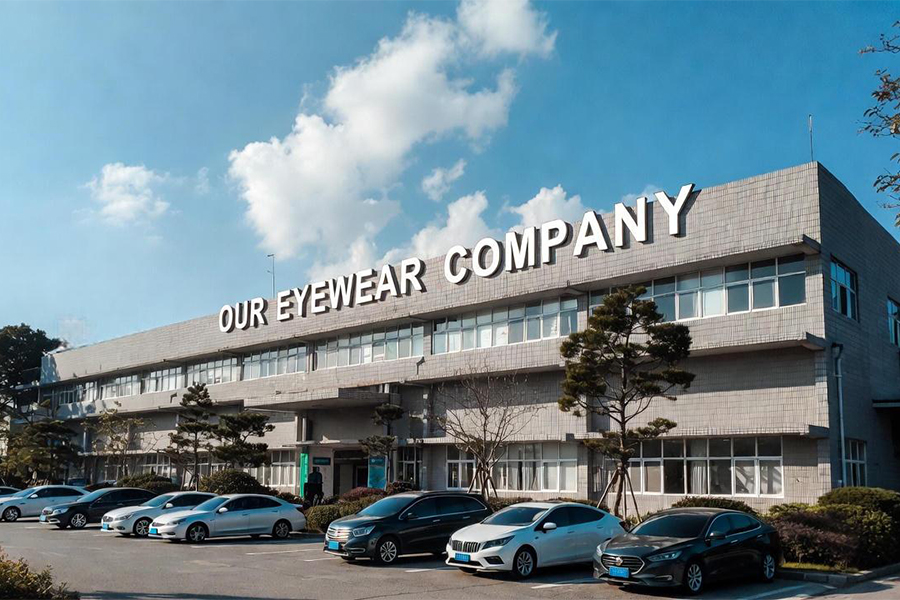
Located in the industrial park at Fuji Land Building, equipped with: fully automated production lines, CNC machining centers, Class 10,000 cleanrooms, and more, ensuring both stable production capacity and consistent quality.
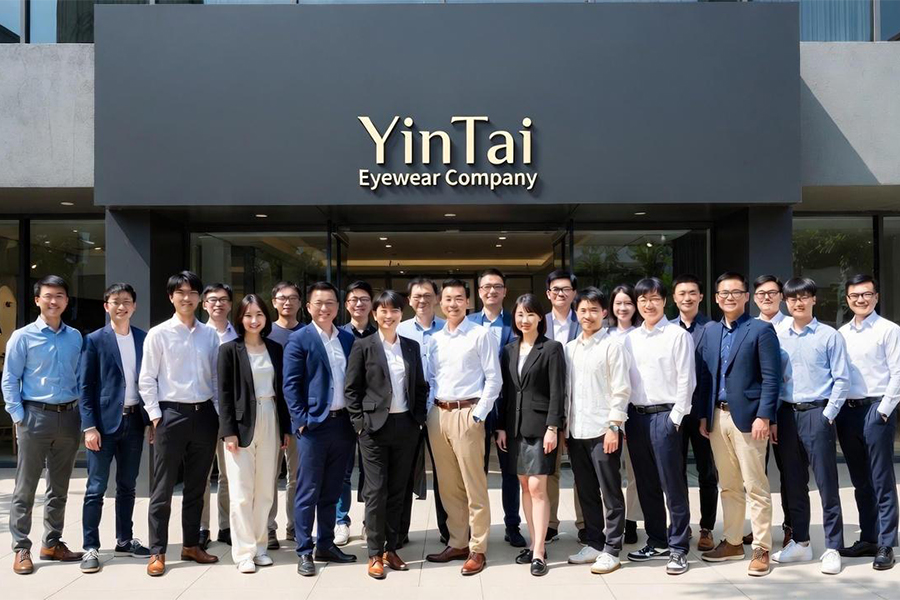
We have over 200 dedicated employees, including a 10-member elite R&D and technical team that continuously drives product innovation and process optimization.
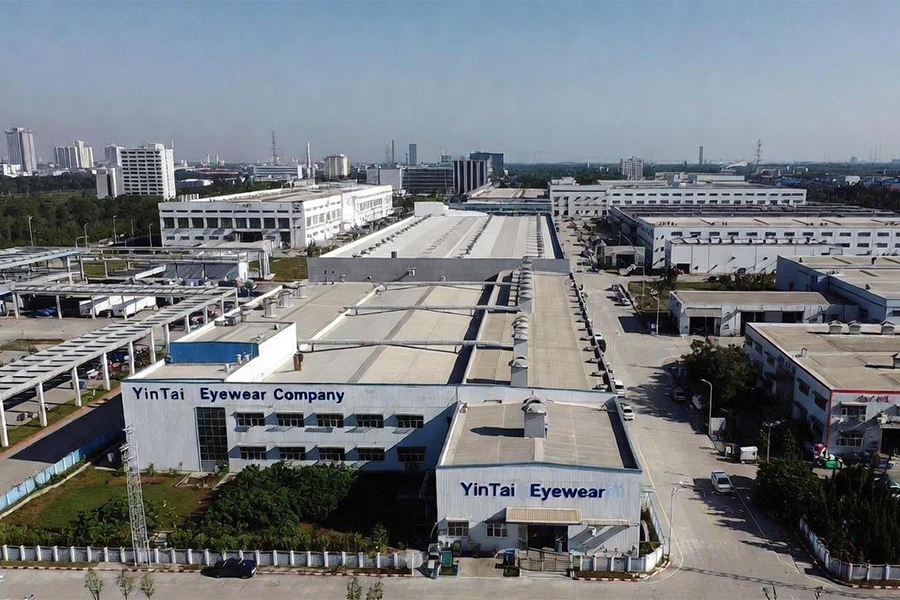
From raw material procurement and mold development to finished product assembly, we have achieved vertical integration across core production processes. This translates to more controllable costs, faster delivery cycles, and more consistent product quality.
In-Depth Technical Insights into Material Physics, Surface Coating Technologies, and Lens Integration Technologies
Metal sunglasses require high structural rigidity to preserve lens retention and optical alignment while ensuring long-term wearer comfort. In our Shenzhen facility, pure titanium frames undergo precision high-frequency induction brazing for joint stability. For ultra-thin stainless steel series (0.6mm - 0.8mm sheet metal construction), high-precision laser cutting technology is utilized to create rimless and semi-rimless frames without stress fracture vulnerabilities.
To prevent skin irritation and oxidation greening caused by low-grade copper or nickel plating, Yintai Eyewear utilizes Physical Vapor Deposition (PVD) vacuum ion plating. Inside a Class 10,000 cleanroom environment, metal frames are bombarded with titanium nitride (TiN) or chromium nitride (CrN) target materials. This creates a 1.2 to 2.0-micron thick molecular bond layer that withstands salt spray testing for up to 96 hours without peeling or tarnishing.
Tri-Acetate Cellulose (TAC) multi-layer polarized lenses provide 100% UV400 protection against UVA/UVB rays, eliminating reflective glare off water and road surfaces while preserving high contrast clarity.
Ultra-lightweight polyamide (Nylon) optical lenses with extreme impact resistance (compliant with ANSI Z80.3 drop ball testing), ideally suited for frameless or delicate metal sunglass geometries.
Rear-surface hydrophobic and anti-static AR coatings applied via high-vacuum evaporators to reduce internal light reflections and resist fingerprint oils and dust accumulation.
Streamlined International Export Protocols, Regulatory Certifications, and Quality Assurance Workflows
Navigating international trade standards requires rigorous adherence to regional health and safety mandates. As a global OEM partner, Yintai Eyewear embeds legal compliance metrics directly into our Total Quality Management (TQM) workflow.
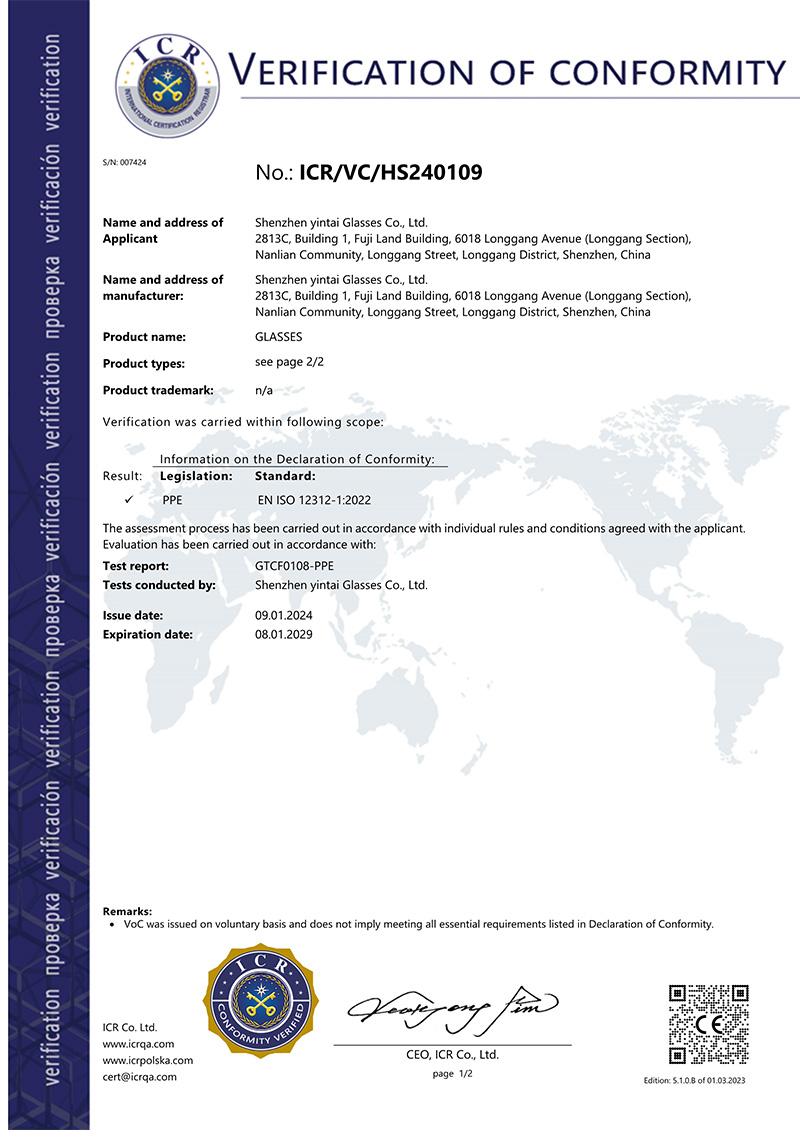
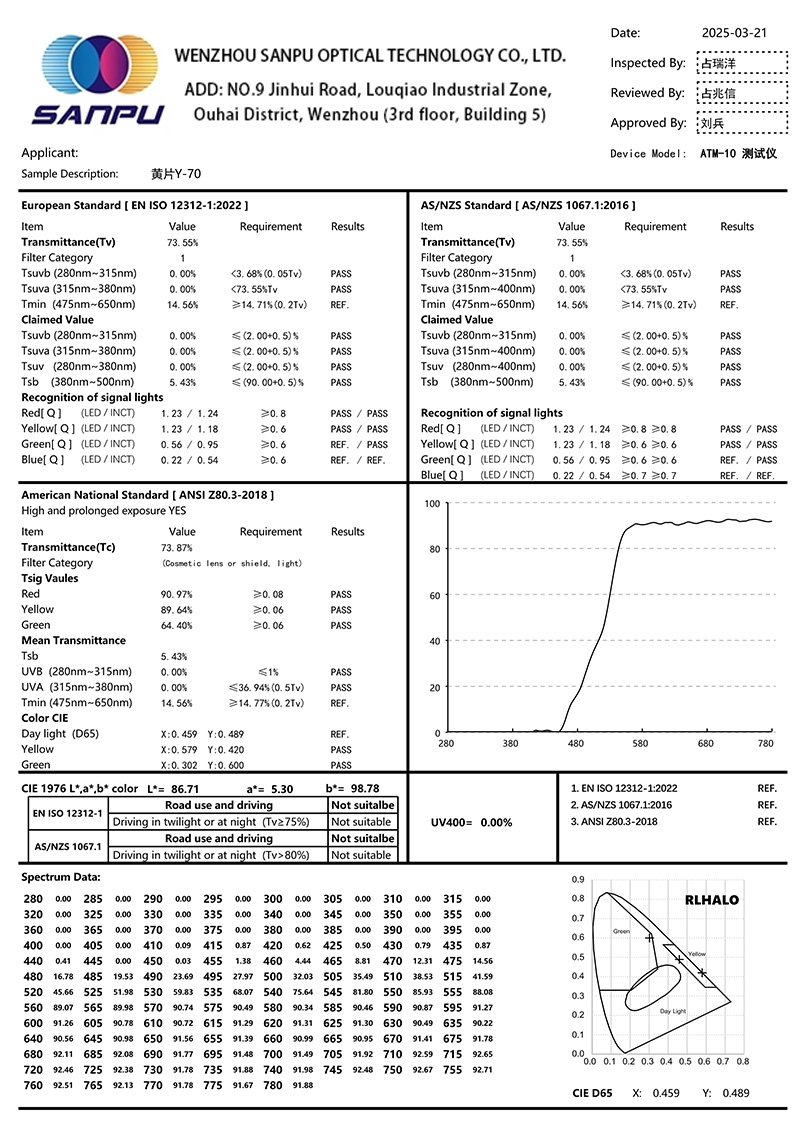
Full compliance with EU Personal Protective Equipment Regulation (EU) 2016/425 and EN ISO 12312-1 standards for sunglass eye protection. Nickel-release tests certified under EN 1811 guarantee zero skin sensitization risk for consumers across European markets.
Products conform with US FDA 21 CFR 801.410 impact resistance rules (Drop Ball Test verified). Frame components meet California Proposition 65 heavy metal free standards, supported by full Device Registration documentation for seamless customs clearance.
Every production batch undergoes three distinct inspection barriers: Incoming Quality Control (IQC) on raw alloys, In-Process Quality Control (IPQC) on CNC alignment, and Final Quality Control (FQC) on hinge torque and optical lens clarity.
Direct Answers to Operational, Technical, and Commercial Inquiries for Eyewear Importers and Brand Owners
For custom OEM metal frame sunglasses, our standard MOQ is typically 300 to 500 units per model, split across 2-3 colorways. For stocked frames or ODM white-label modifications (such as laser-engraved branding on temple arms or lenses), lower MOQs are negotiable based on existing frame inventory.
3D resin sample creation takes approximately 48-72 hours. Prototype physical metal samples with custom electroplating or PVD finish require 15-20 business days. Upon sample approval and deposit confirmation, full-scale mass production is completed within 35-45 calendar days.
Yes. We offer end-to-end branding solutions, including laser engraving on metal temples, hot-stamped silk printing on lenses, custom-molded silicone nose pads with brand logos, high-end leatherette eyeglass cases, microfiber cleaning cloths, and FSC-certified paper retail boxes.
Absolutely. All titanium, stainless steel, and nickel-free alloy frames manufactured at our Shenzhen plant undergo EN 1811 nickel release testing. We provide complete testing documentation for compliance with EU REACH regulations and US FDA requirements.
We implement an ISO9001-certified Quality Control System divided into three stages: IQC for inspecting raw titanium and alloy wires, IPQC for monitoring CNC milling and soldering tolerances, and FQC for testing hinge flex durability, lens drop-ball impact resistance, and surface finish integrity. Our final defect rate remains consistently below 1%.
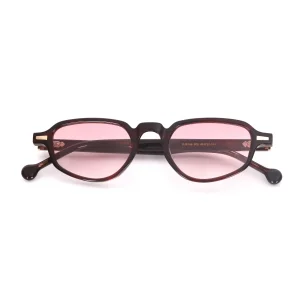
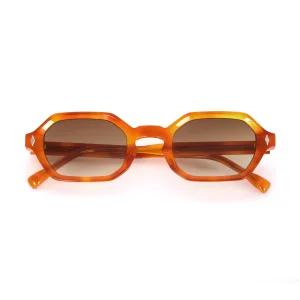
Explore additional high-demand optical frames, luxury metal sunglasses, and customizable acetate eyewear solutions ready for international distribution.
 Yintai Eyewear