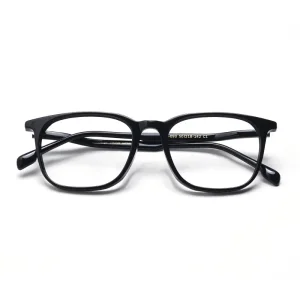
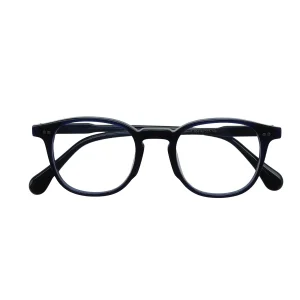
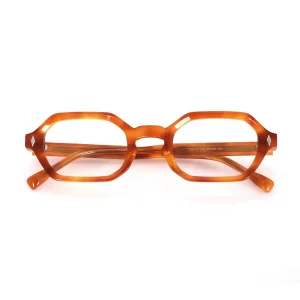
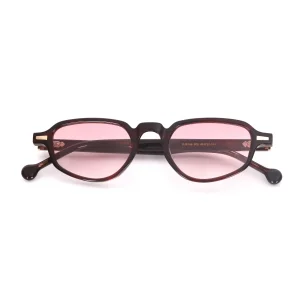
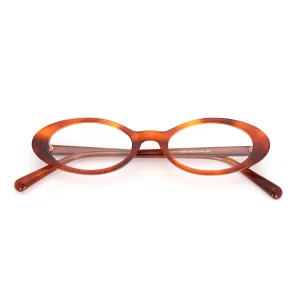
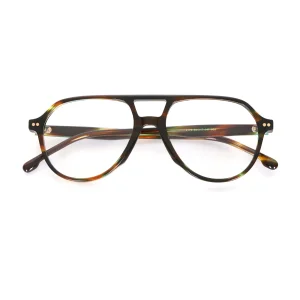
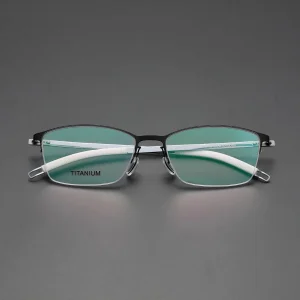
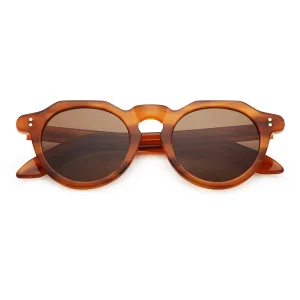
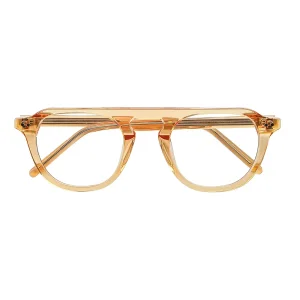
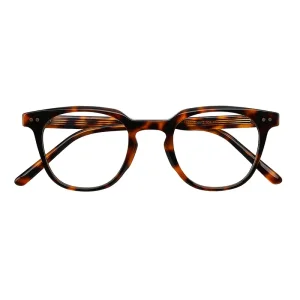
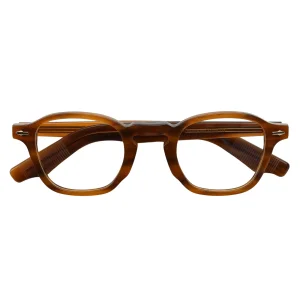
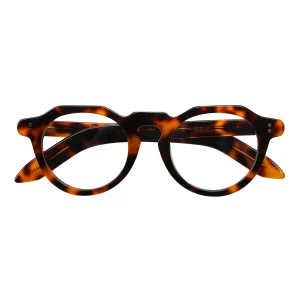
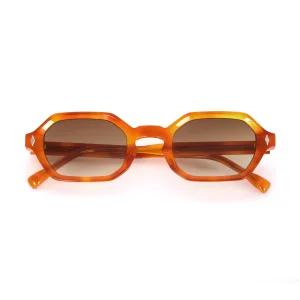
Explore our precision-engineered optical frames and custom OEM/ODM solutions manufactured to international CE and ISO9001 standards.
The global eyewear market has witnessed a decisive shift toward high-precision metal alloy frames, driven by consumer demand for minimalist aesthetics, exceptional durability, and ultra-lightweight ergonomic comfort. In the modern optical landscape, metal frame glasses represent a sophisticated fusion of material science, micro-precision machining, and electro-surface chemistry.
Offering unmatched strength-to-weight ratios, Pure Titanium (Ti ≥ 99%) and Beta-Titanium alloys provide 100% hypoallergenic properties, extreme corrosion resistance, and structural memory flexibility. Perfect for high-end luxury optical lines where frame weight under 10 grams is imperative.
Austenitic stainless steel alloys offer high tensile strength, exceptional rigidity, and cost-efficient scalable manufacturing. Ideal for modern geometric designs, sheet-metal frames, and ultra-thin rim construction requiring crisp mechanical stability.
Engineered for flexibility and intricate plating retention, Monel and Nitinol shape-memory alloys allow frames to withstand severe torsional stress without permanent deformation, delivering extreme resilience for active lifestyle eyewear brands.
Shenzhen, China has established itself as the global capital for high-end optical manufacturing. The region's dense industrial cluster integrates specialized raw material suppliers, micro-tooling machine developers, automated laser-welding plants, and advanced surface-finishing labs within a 30-minute radius.
| Manufacturing Dimension | Shenzhen OEM/ODM Ecosystem | Traditional Global Outposts | Strategic Enterprise Benefit |
|---|---|---|---|
| Rapid Prototyping Lead Time | 3 to 7 Business Days (3D Metal Printing & CNC) | 21 to 35 Days | Accelerated Time-to-Market for Seasonal Collections |
| Tooling & Mold Development Cost | 60% Lower Amortized Investment | High Capital Expenditure | Lower Risk for New Experimental Product Lines |
| Supply Chain Vertical Integration | Complete On-Site (Stamping, CNC, Welding, PVD) | Fragmented Subcontracting | Seamless Quality Traceability & Reduced Freight Delays |
| Customization Capabilities (OEM/ODM) | Micro-laser Engraving, Custom Acetate Inlays, IP Plating | Restricted Standard Catalogs | Unrivaled Brand Differentiation for Private Labels |
Yintai Eyewear is a premier optical manufacturer based in Shenzhen, Guangdong Province, China. Over 15 years of dedicated engineering evolution, we have scaled into a modern industrial enterprise seamlessly integrating technological research, micro-machining, cleanroom assembly, and international distribution.
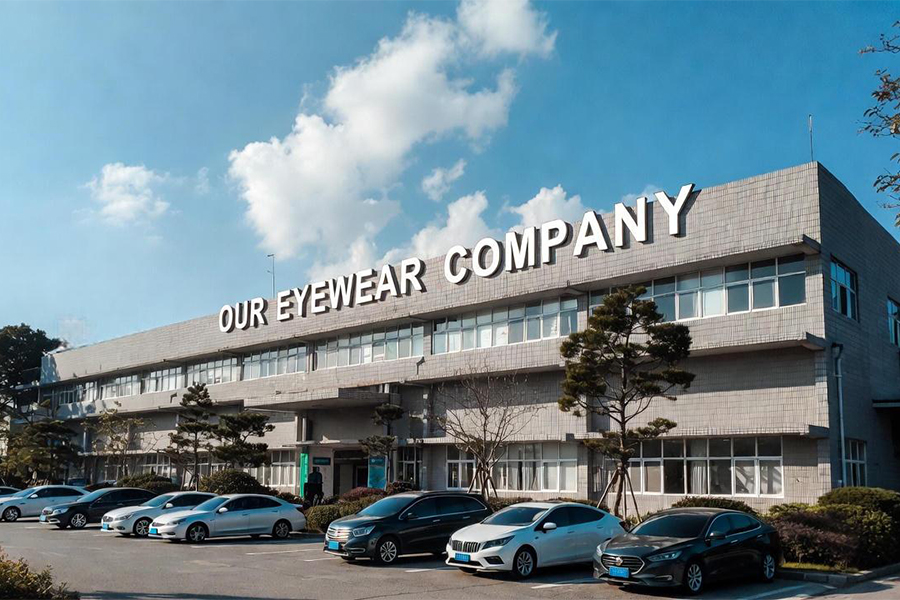
The Foundation of Our Hard Power
Located in the industrial park at Fuji Land Building, our facility spans over 5,000 square meters. Equipped with fully automated production lines, multi-axis CNC machining centers, and Class 10,000 dust-free cleanrooms, we ensure high structural consistency and defect-free surface finishes.
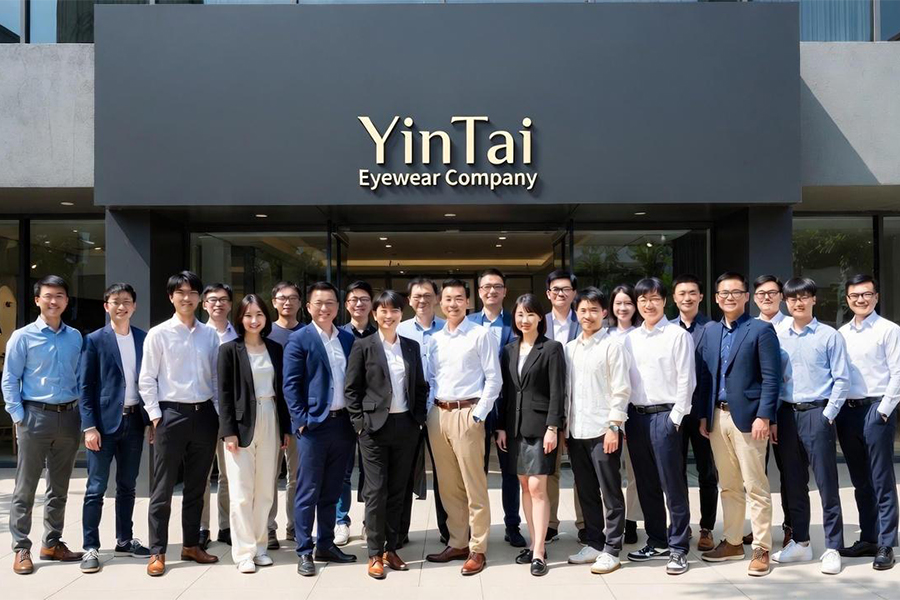
Human Capital & Engineering Expertise
Supported by over 200 dedicated employees, our team features a 10-member senior optical engineering and design unit. We continuously optimize bridge tension, spring hinge stress-relieving mechanisms, and ergonomic weight balance for superior user wearability.
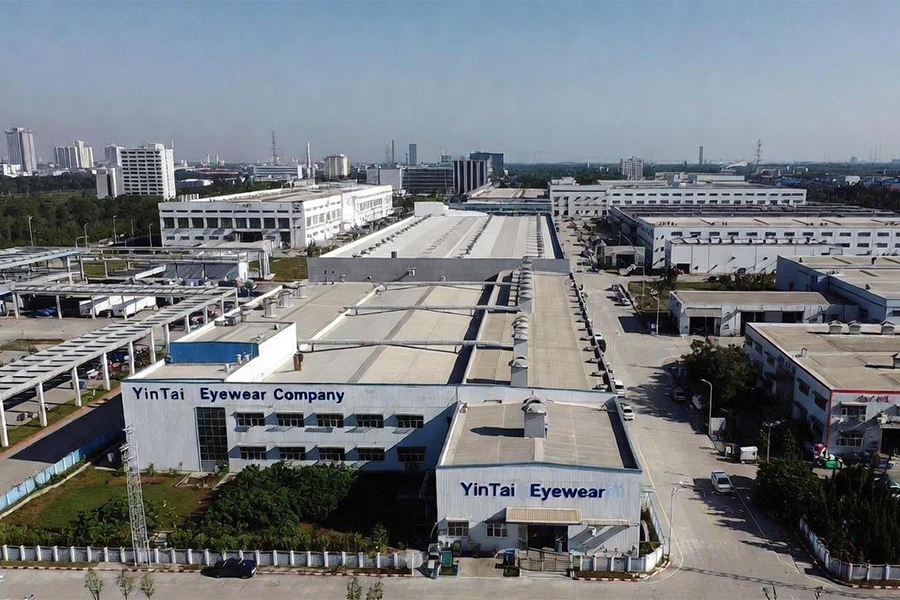
Full Supply Chain Control
From raw material spectral analysis to precision mold development, component stamping, automated soldering, hand-polishing, and packaging, we maintain absolute control. Operating under strict ISO9001 protocols (IQC, IPQC, FQC), our final pass rate reaches an industry-leading 99%.
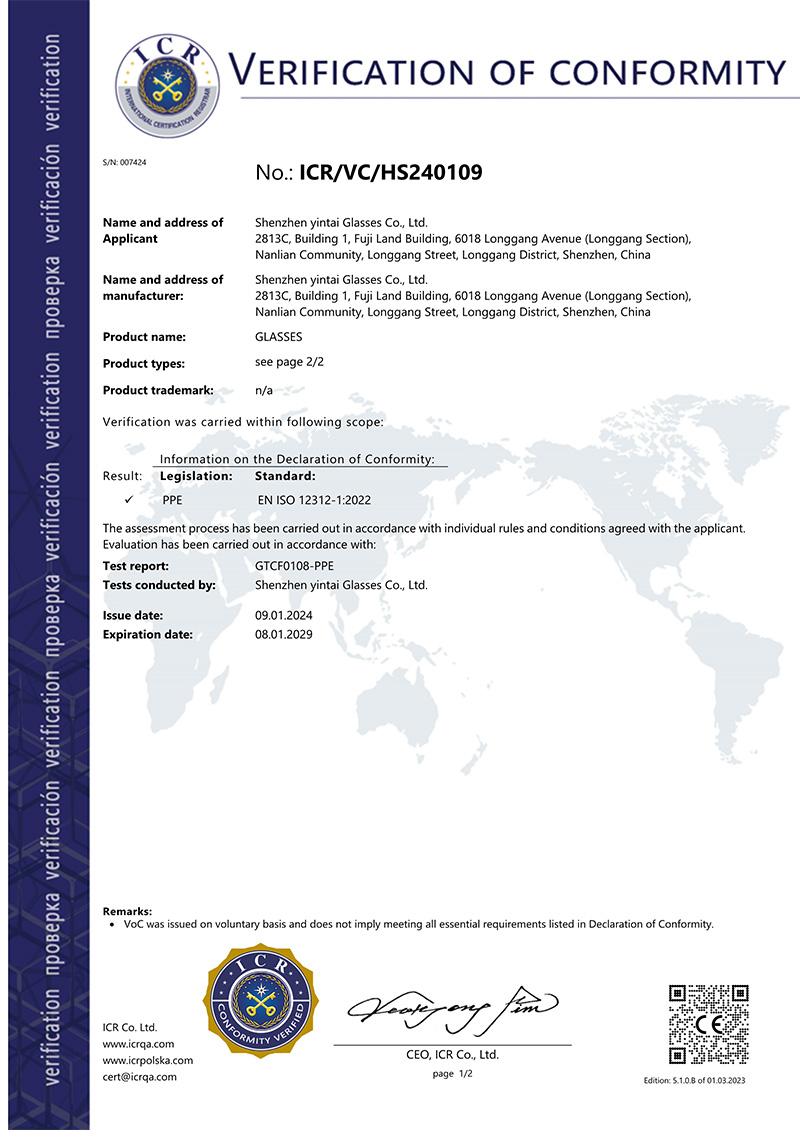
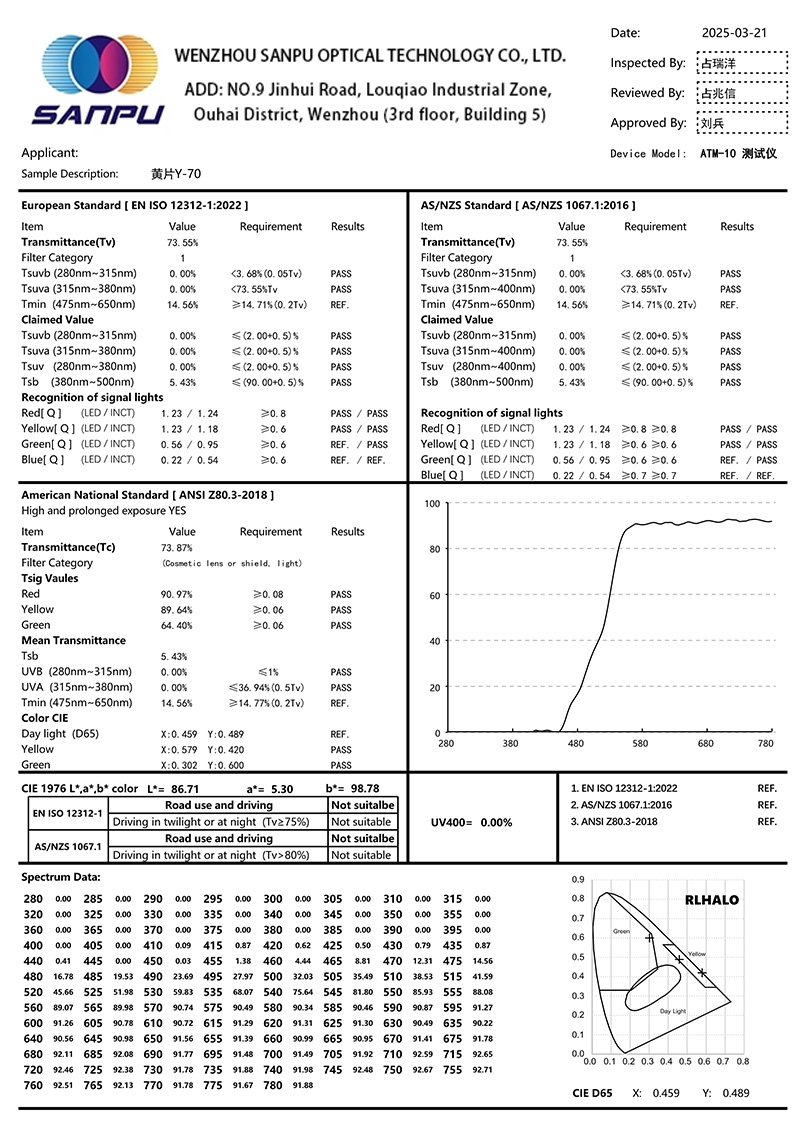
Our OEM/ODM manufacturing infrastructure is tailor-made to serve diverse commercial optical ecosystems across global markets.
For high-end fashion houses seeking bespoke titanium and high-density acetate hybrid frames. We offer laser-etched custom branding, unique rim wire milling, gold/rose gold IP plating, and custom branded packaging.
Large-scale retail optical chains require consistent dimensional tolerance and standardized hinge mechanics to ensure seamless lens edging and fitting in-store. Our mass production guarantees unit-to-unit consistency across thousands of frames.
Fast-turnaround digital brands benefit from our rapid prototyping, low MOQ options, and agile replenishment schedules. Enable rapid market testing of minimalist metal wireframes, aviators, and geometric optical styles.
Focusing on medical comfort, skin compatibility, and long-term durability. We supply semi-rimless, rimless, and memory metal frames designed for progressive and high-index rx lenses.
Staying ahead in the global optical industry requires anticipating technological shifts and material innovations. Key advancements shaping the future of metal frame manufacturing include:
Integration of micro-hollow temples engineered to house Bluetooth audio, micro-batteries, and capacitive touch sensors without compromising classic optical frame slimness.
Elimination of cyanide-based chemical baths in favor of advanced Zero-Emission PVD Vacuum Deposition, ensuring zero toxic runoff and superior anti-scratch surface properties.
Direct Metal Laser Sintering allows for hyper-customized geometric bridge designs, intricate internal lattice structures, and complete elimination of tooling waste for ultra-niche frame collections.
To assist global procurement officers, brand directors, and optical buyers, we maintain a rigorous 4-step quality verification workflow across all metal frame manufacturing contracts:
Spectrometric chemical analysis of raw titanium, stainless steel wires, and nickel-free hinges to verify purity and anti-allergenic standards prior to pressing.
Automated optical coordinate measurement during micro-soldering and CNC milling. Hinge fatigue testing (over 20,000 continuous opening cycles).
Artificial sweat corrosion testing (48-hour exposure), salt spray chamber testing, and cross-hatch adhesion testing to ensure zero peeling over time.
100% visual and dimensional inspection under 10x magnification. Verification of temple alignment, lens groove depth tolerance (+/- 0.05mm), and laser markings.
Essential answers regarding MOQ, custom branding, material selection, certification, and order fulfillment.
Discover our complete portfolio of customizable optical eyeglasses frames, vintage acetate designs, and polarized sunglasses directly from Shenzhen Yintai factory.
 Yintai Eyewear