Explore our flagship wholesale cellulose acetate and pure titanium eyewear series, crafted with high-precision CNC milling and hand-polished artisanal quality.
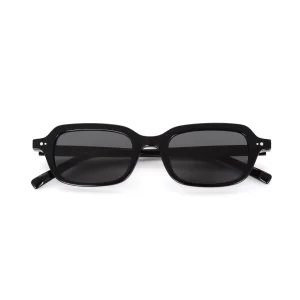
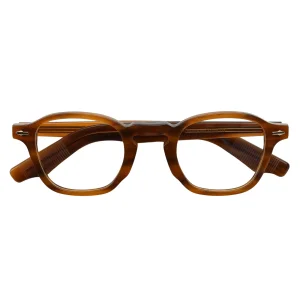
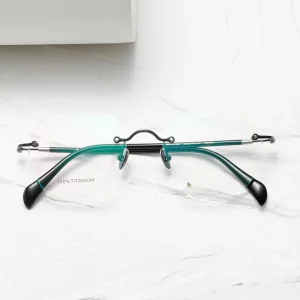
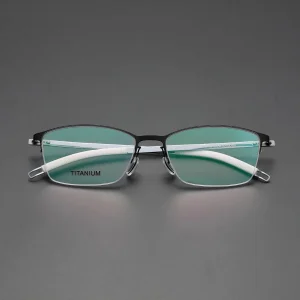
Understanding intent, semantic search relevance, and technical parameters for enterprise B2B procurement decision-makers.
In the rapidly changing landscape of the global optical industry, securing a reliable, high-precision OEM Acetate Optical Frames Supplier is a mission-critical imperative for premium eyewear brands, luxury fashion houses, retail optical chains, and boutique distributors. Premium cellulose acetate—derived from natural cotton linters and wood pulp—remains the undisputed gold standard for luxury optical frames due to its hypoallergenic property, deep color vibrancy, tactile warmth, and structural memory.
As global consumer demand shifts toward sustainable luxury, personalized aesthetics, and ergonomic comfort, the search intent of global procurement directors has expanded beyond simple unit pricing. Today, intent mining reveals that enterprise buyers prioritize material purity, supply chain resilience, engineering precision, compliance standards (CE, RoHS, ISO9001), and agile OEM/ODM customization capability.
Information Gain Key Takeaway: Modern OEM acetate frame manufacturing is no longer a low-tech stamping process. High-tier frame production requires 5-axis CNC micromachining, controlled 72-hour tumbler polishing cycles, hand-beveled edge sculpting, and strict environmental testing to prevent frame warping across temperature fluctuations.
Deep vertical integration, automated precision technology, and strict quality assurance from Shenzhen, Guangdong, China.
Yintai Eyewear is a leading manufacturer based in Shenzhen, Guangdong Province, China, specializing in eyewear production. After 15 years of dedicated development, we have evolved into a modern enterprise integrating technological R&D, precision manufacturing, and global sales.
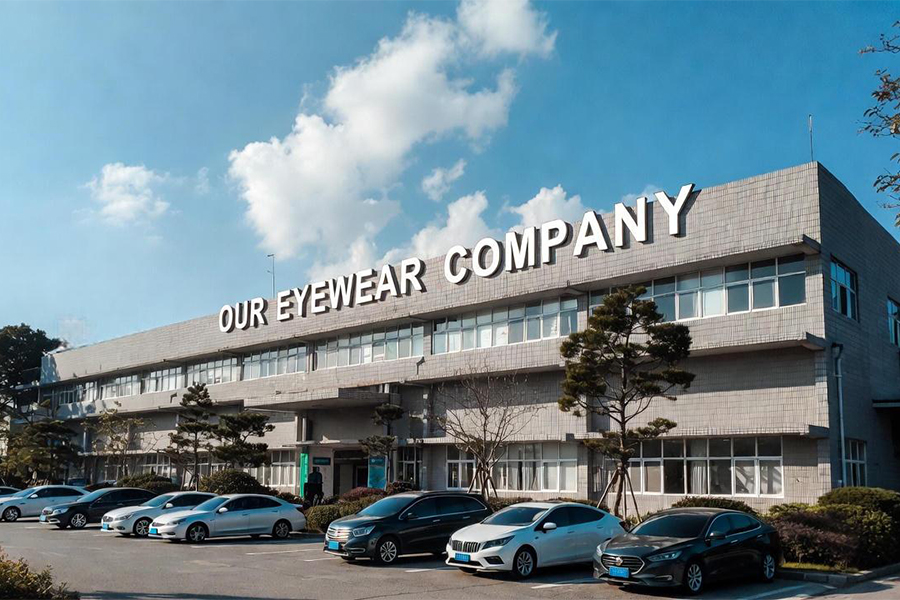
Located in the industrial park at Fuji Land Building, equipped with: fully automated production lines, CNC machining centers, Class 10,000 cleanrooms, and more, ensuring both stable production capacity and consistent quality.
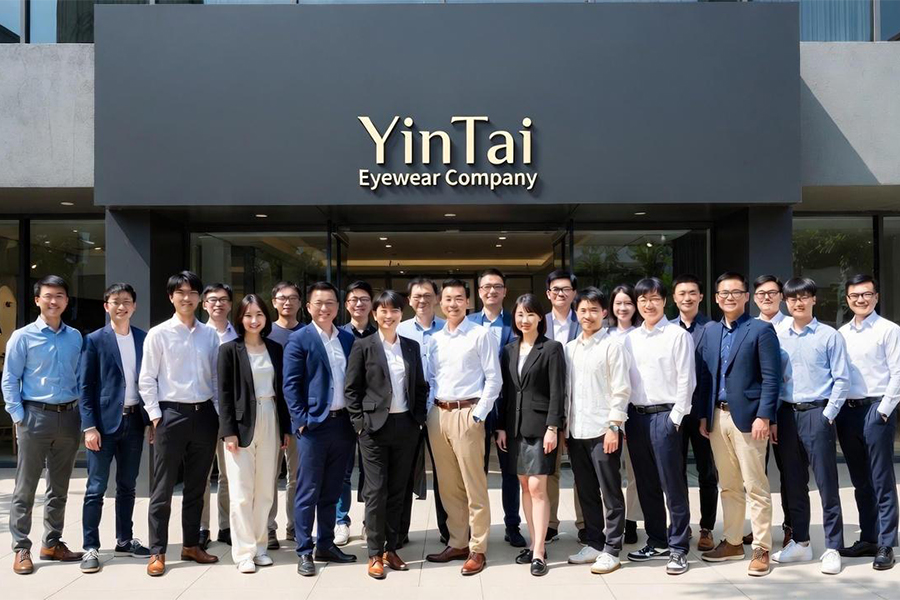
We have over 200 dedicated employees, including a 10-member elite R&D and technical team that continuously drives product innovation and process optimization.
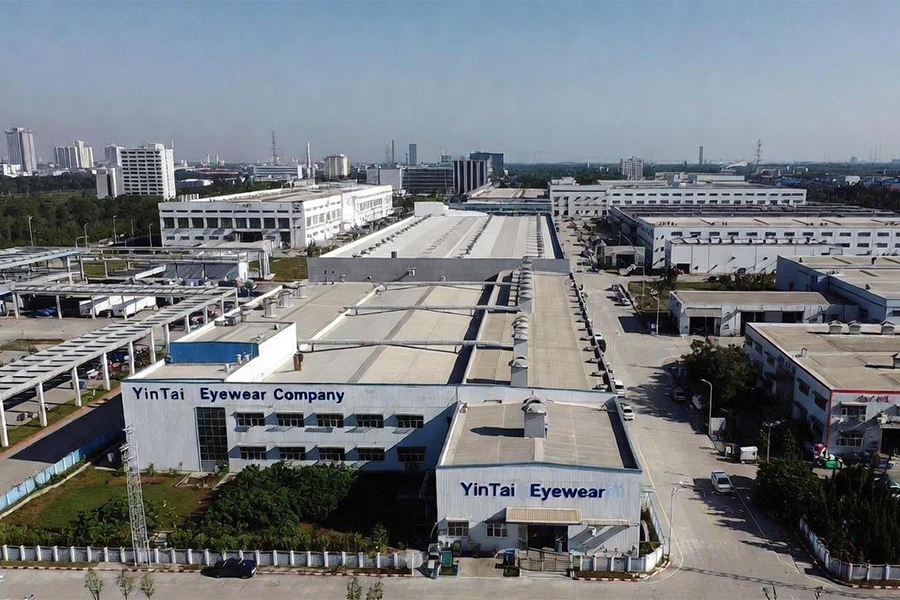
From raw material procurement and mold development to finished product assembly, we have achieved vertical integration across core production processes. This translates to more controllable costs, faster delivery cycles, and more consistent product quality.
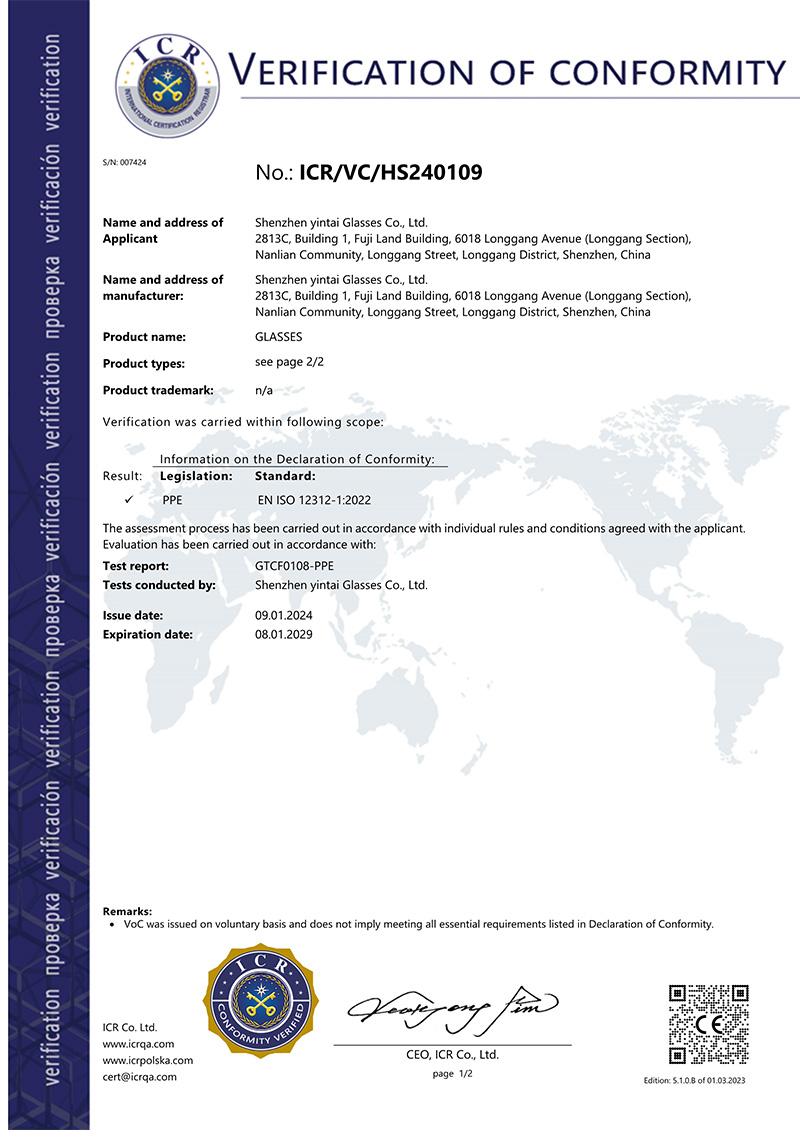
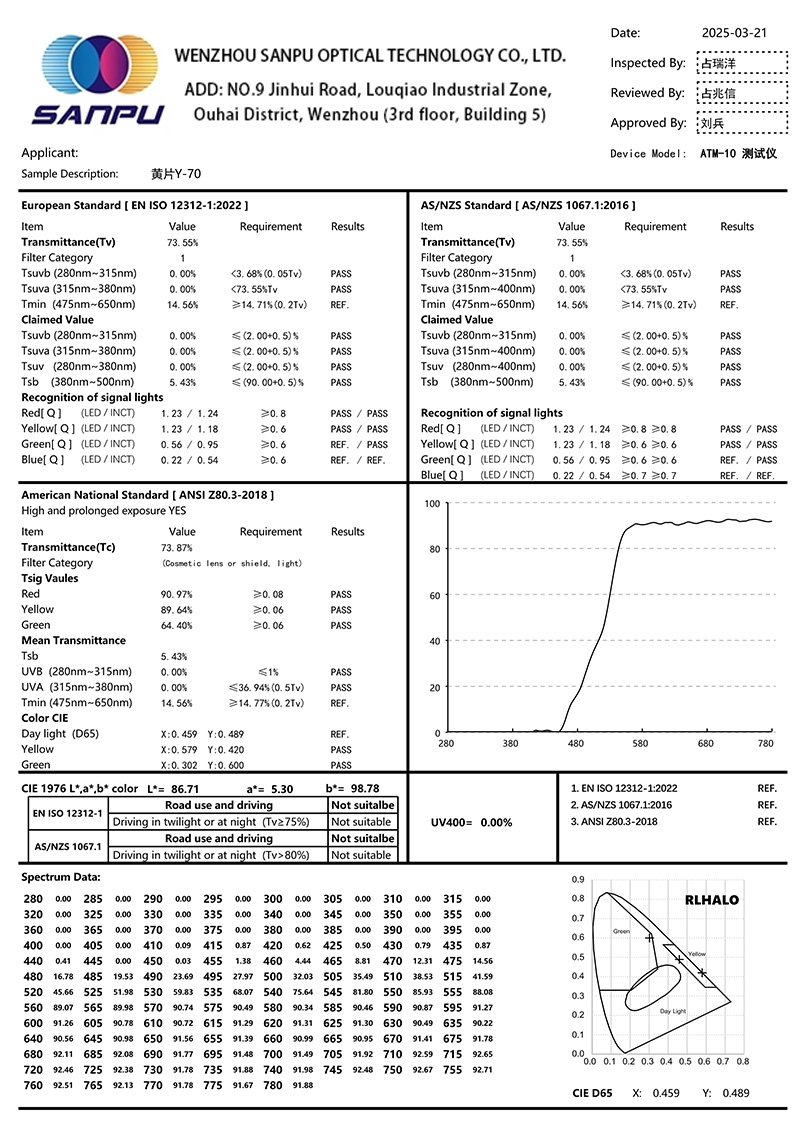
Engineering parameters, structural stability, and eco-friendly polymer evolution in high-end eyewear manufacturing.
Cellulose acetate is a semi-synthetic polymer manufactured by reacting natural cellulose (extracted from renewable cotton fibers or wood pulp) with acetic anhydride. In contrast to injection-molded petroleum polymers (such as standard TR90 or polycarbonates), high-grade block acetate offers unparalleled mechanical stability, enabling optical dispensers to repeatedly heat and cold-bend frame temples for exact anatomical fitting without structural fatigue or snapback.
| Material Parameter | Standard Cellulose Acetate | Eco-Friendly Bio-Acetate | Injection Polycarbonate |
|---|---|---|---|
| Base Source | Wood Pulp / Cotton Linters | 100% Plant-Based Bio-Plasticizers | Petroleum Synthetics |
| Biodegradability (ISO 14855) | Partial (Slow over years) | > 90% in 180 Days Industrial Composting | Non-Biodegradable |
| Thermal Adjustability | Excellent (60°C - 75°C Frame Warmer) | Excellent (60°C - 70°C Frame Warmer) | Poor (Prone to snap/melting) |
| Color Layering & Depth | Multi-layer Laminate Capability | High Transparency & Pattern Clarity | Surface Coating / Painted Only |
| Skin Compatibility | Hypoallergenic | 100% Bio-compatible & Non-toxic | May cause dermatitis over time |
At Yintai Eyewear’s Shenzhen manufacturing hub, the production of an OEM acetate frame involves over 50 distinct steps spanning up to 60 days. The integration of Industry 4.0 automation ensures microscopic tolerance controls (±0.05mm), while manual hand-finishing delivers luxury tactility.
Raw acetate sheets are seasoned for several weeks to release internal stress, preventing warping. High-speed 5-axis CNC cutters carve front rims, lens grooves, and wire-core channels with automated computer precision, maintaining strict axis geometry required for prescription lens insertion.
Rough frame components undergo a 4-stage tumbling process utilizing organic walnut shells, birch wood chips, and specialized polishing compounds. Master craftsmen then hand-polish each rim and bridge using cotton wheels to achieve a deep mirror luster.
Analyzing key market intent, supply chain resilience, and regional fit for international buyers.
Intent focus: Bold vintage silhouettes, chunky 8mm-10mm front plates, high-durability 5-barrel & 7-barrel hinges, and sustainable bio-acetate messaging. High demand for oversized pilot and thick square designs.
Intent focus: Strict REACH chemical compliance, ultra-fine polishing perfection, subtle color gradient lamination, rimless/titanium combination hybrid designs, and minimalistic ergonomic weight distribution.
Intent focus: Custom Asian Fit bridge modifications (elevated nose pads, adjusted pantoscopic tilt, wider frame geometry), lightweight titanium hybrid acetate, and rapid turnaround for seasonal capsule collections.
Shenzhen, China stands as the global epicenter for premium optical manufacturing. Yintai Eyewear leverages the complete regional supply ecosystem: instant access to raw Mazzucchelli or high-grade domestic acetate sheets, custom German-engineered OBE hinges, precision surface plating facilities, and international logistics hubs. This integration cuts prototype lead times down to 10-15 days and mass production cycles to 45-60 days—giving global buyers a distinct time-to-market advantage.
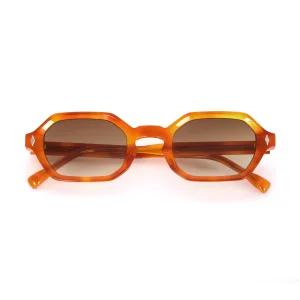
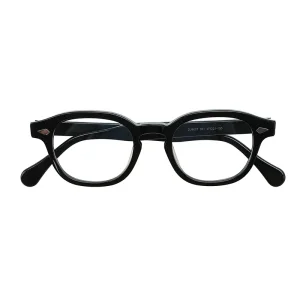
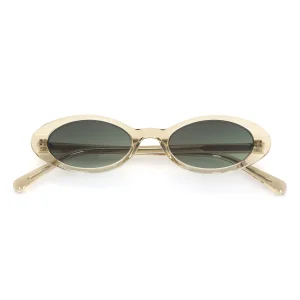
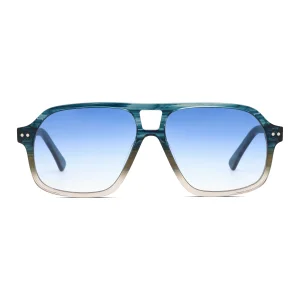
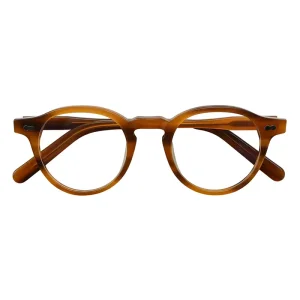
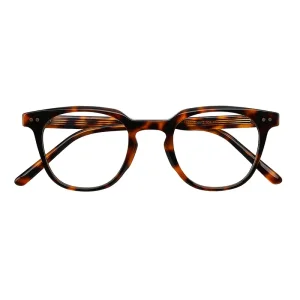
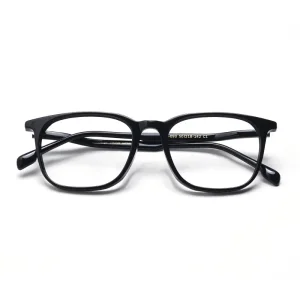
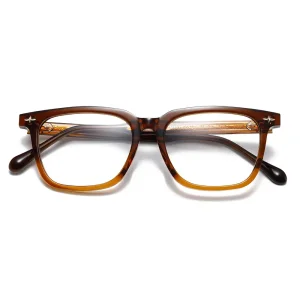
Explore our premium vintage, aviator, tortoiseshell, and titanium combination frames manufactured for high-volume enterprise orders.
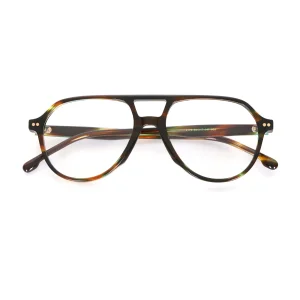
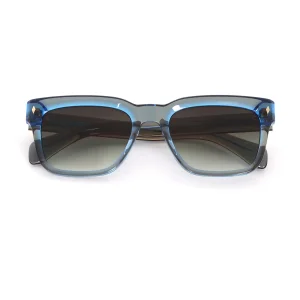
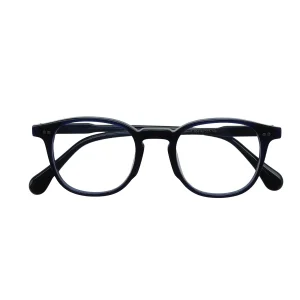
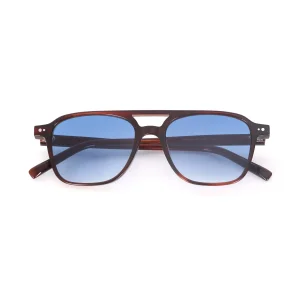
Direct answers addressing procurement compliance, custom prototyping, MOQs, and supply chain protocols.
 Yintai Eyewear