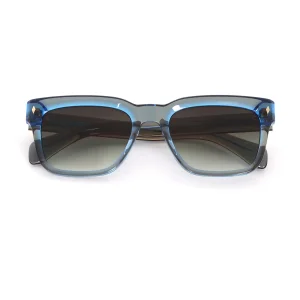
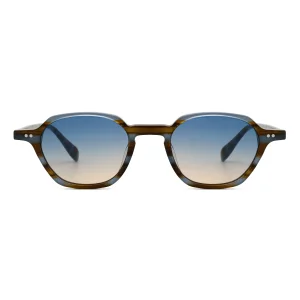
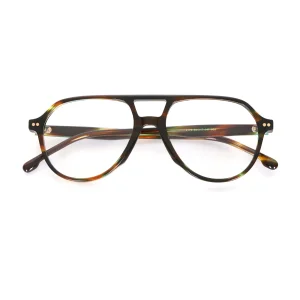
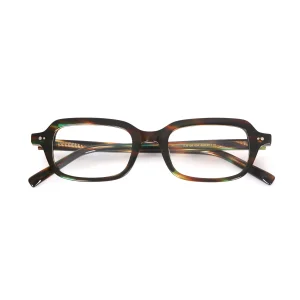
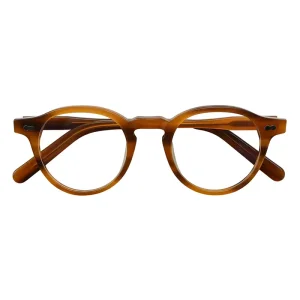
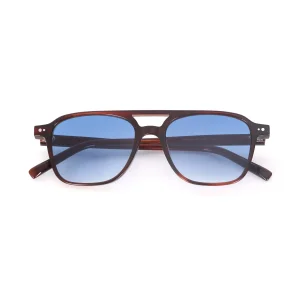
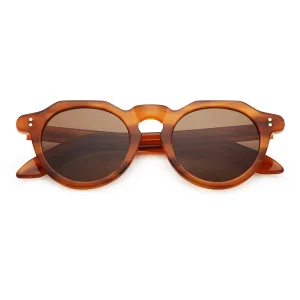
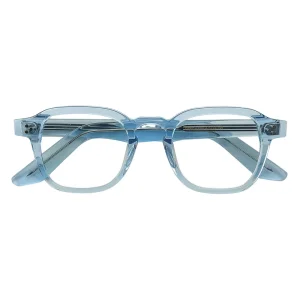
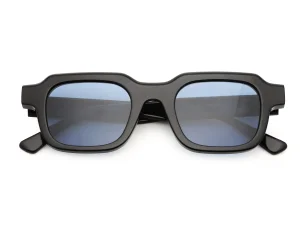
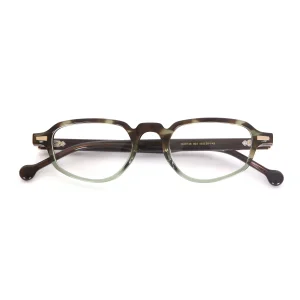
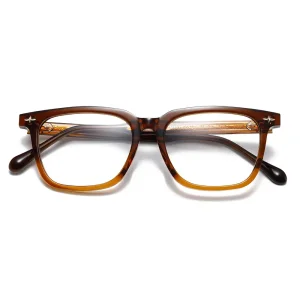
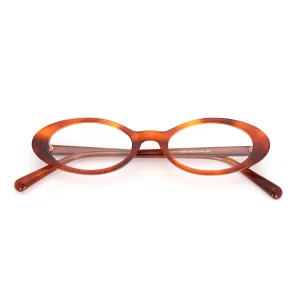
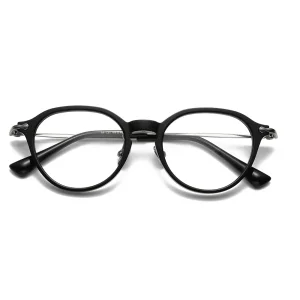
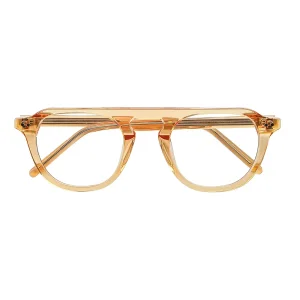
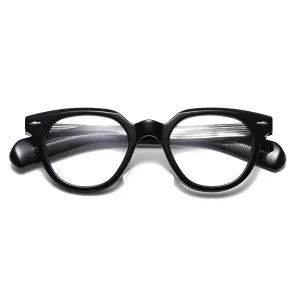
Explore our flagship collection of precision-engineered acetate, titanium, and luxury optical frames tailored for global B2B procurement and commercial brand customization.
Analyzing the structural shift toward ultra-lightweight biocompatible materials, advanced ODM engineering, and global B2B procurement patterns.
Modern consumers and clinical optometry chains prioritize long-wear comfort. Titanium (specifically Grade 2 Pure Titanium and Beta-Titanium alloys) has seen a 34% CAGR increase in procurement interest due to its hypoallergenic properties, zero nickel emission, and extreme corrosion resistance against human perspiration.
Global optical brands no longer search merely for build-to-print factories. Brand owners actively seek ODM (Original Design Manufacturer) expertise capable of proprietary 3D CAD modeling, structural stress distribution, zero-flex rimless engineering, and custom physical vapor deposition (PVD) surface coatings.
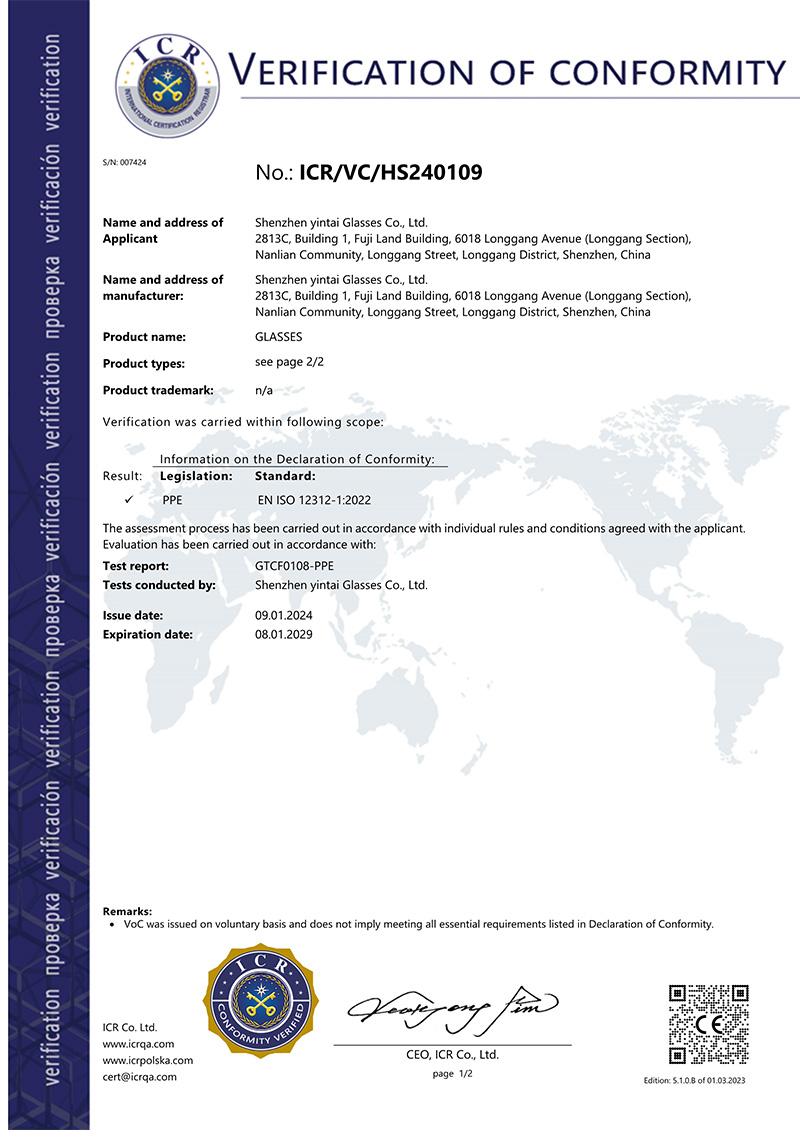
Procurement directors are shifting focus to suppliers certified under ISO 9001 and CE standards, requiring integrated production lines that guarantee 99%+ quality qualification rates and tight dimensional tolerances within ±0.02mm for seamless optical lens mounting.
Understanding the raw material characteristics is fundamental for B2B buyers seeking optimal tensile strength, elasticity, and manufacturing feasibility in eyewear production.
| Material Category | Chemical Composition | Tensile Strength (MPa) | Flexibility / Elasticity | Primary Industrial Application |
|---|---|---|---|---|
| Pure Titanium (Grade 1 - 4) | >99.2% Pure Titanium (Ti) | 240 - 550 MPa | Moderate (Rigid structure) | Front rim frames, bridge components, high-end optical frames |
| Beta-Titanium (β-Ti) | Ti-15V-3Cr-3Sn-3Al Alloy | 880 - 1250 MPa | Superb High Elastic Memory | Ultra-thin temples, rimless frames, flexible bridge components |
| Memory Titanium (NiTi Alloy) | Nickel-Titanium Shape Memory | 800 - 1000 MPa | Extreme Shape Retention | Active lifestyle frames, kids eyewear, flexible bridge components |
| High-Grade Acetate / Ti Hybrid | Mazucchelli Acetate + Titanium Inner Core | N/A (Composite) | Structural Rigidity + Aesthetic Depth | Luxury fashion eyewear, vintage geometric sunglasses |
Beta-Titanium exhibits a lower elastic modulus than pure titanium, enabling thin temple wires (down to 0.8mm diameter) that can bend up to 90 degrees without permanent plastic deformation. This delivers unparalleled side-head ergonomics and strainless retention for all-day wearing comfort.
Our ODM facility utilizes cleanroom-grade Physical Vapor Deposition (PVD) vacuum ion plating. PVD coats titanium frames with atomic-layer titanium nitride (TiN) or chromium nitride (CrN), achieving a hardness exceeding 2000 HV—making frames impervious to sweat corrosion, oxidation, and color peeling.
Vertical integration from raw material metallurgical inspection to automated CNC machining, hand-polishing, and cleanroom assembly.
Yintai Eyewear is a leading manufacturer based in Shenzhen, Guangdong Province, China, specializing in premium eyewear production. After 15 years of dedicated engineering and technological development, we have evolved into a modern enterprise integrating technological R&D, precision mold tooling, precision manufacturing, and global B2B distribution.
Situated in the heart of China’s high-tech manufacturing capital, our facility spans over 5,000 square meters of state-of-the-art industrial production space, powered by over 200 full-time skilled technicians and a dedicated 10-member elite R&D team. With monthly production capacity reaching over 20,000+ units, we fulfill high-volume OEM/ODM commercial orders while maintaining strict ISO 9001, CE, and RoHS compliance.
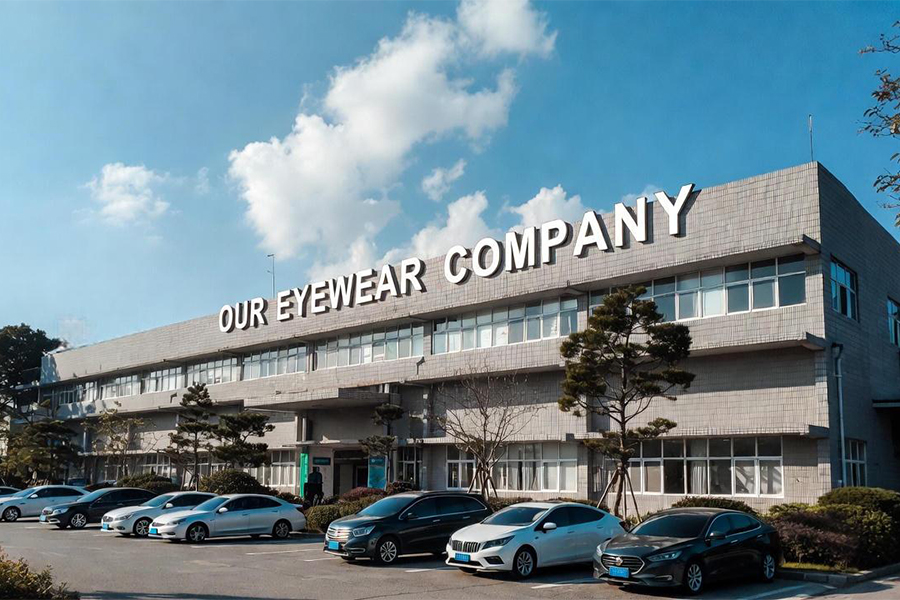
FLEXMOD Industrial Park setup with fully automated CNC machining centers and Class 10,000 cleanrooms.
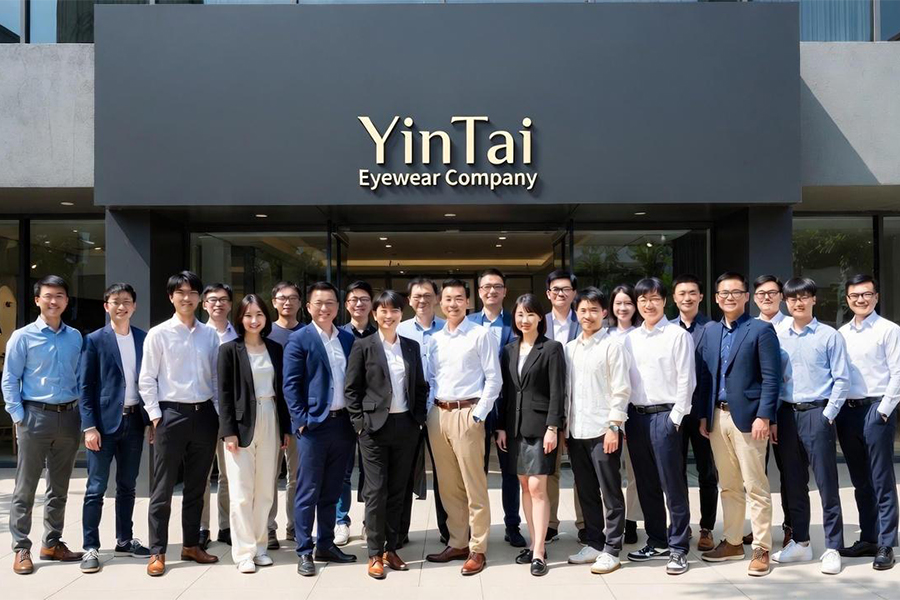
10-member elite technical design team driving continuous product innovation and process optimization.
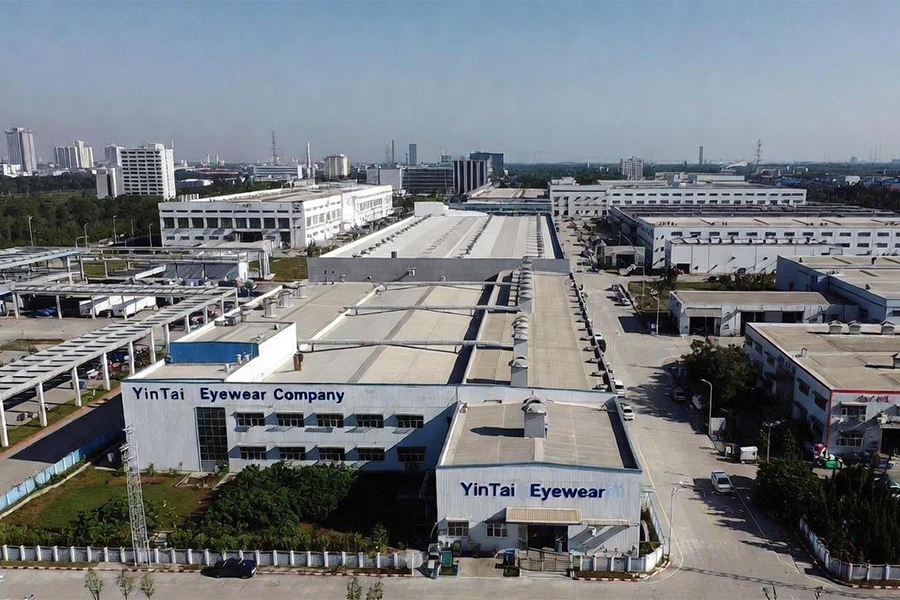
Complete control from raw wire drawing and 3D mold development to frame polishing and assembly.
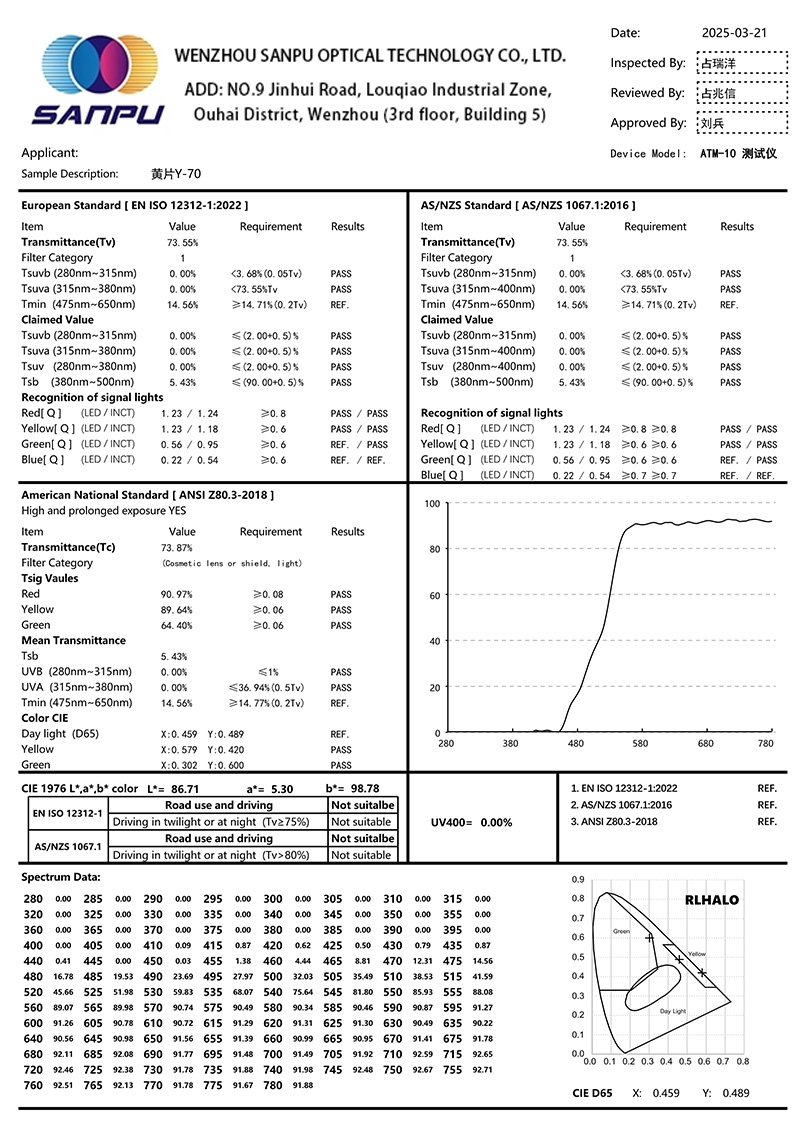
Rigorous IQC, IPQC, and FQC inspection workflows resulting in a consistent 99% qualification rate.
High-speed laser micro-welding and precision carving machinery ensuring scalable global deliveries.
From conceptual design sketches to mass production delivery—how we engineered zero-defect OEM/ODM workflow for global optical brands.
Our engineers transform concept sketches into millimeter-precise 3D solid models. Finite Element Analysis (FEA) simulates bridge tension, hinge flex limits, and temple stress points prior to physical tooling.
High-speed CNC milling cuts custom master steel dies in 7 to 10 days. Physical titanium prototypes undergo dimensional verification and ergonomic fitting tests for client sign-off.
Temples, endpieces, and nose bridges are joined using automated fiber-laser micro-welding in an inert Argon gas environment to prevent titanium oxidation and ensure ultra-clean joint aesthetics.
Frames undergo 72 hours of multi-stage barrel tumbling followed by hand-polishing and PVD vacuum coating to achieve brilliant metallic luster in rose gold, gunmetal, matte black, or customized gradient hues.
Every batch faces rigorous quality benchmarks: 500-cycle bridge deformation testing, 10,000-cycle hinge endurance testing, nickel release compliance, and artificial sweat immersion tests.
Laser engraving of client logos, custom bridge branding, serial numbering, and eco-friendly protective packaging tailored for immediate retail or DTC fulfillment.
Tailoring titanium optical frames to regional facial ergonomics, regulatory standards, and niche commercial applications.
Strong demand for larger eye sizes (54mm–58mm), classic aviators, bold acetate-titanium combination frames, and rugged dailywear endurance. Requires strict FDA registration and drop-ball lens impact compliance.
Focus on ultra-minimalist rimless titanium frames, hand-carved micro-engravings, and subtle aesthetic colors. Requires strict compliance with REACH regulations, CE marking, and eco-certified packaging.
Customized with higher, deeper titanium pad arms and flatter frame fronts designed specifically for flatter nose bridges and high cheekbones, eliminating unwanted temple pressure and frame slippage.
Titanium frame chassis modified for dental/surgical magnification loupes, high-durability industrial safety optics, and blue-light filtering executive computer eyewear.
Flexible low-MOQ starting points for boutique independent brands seeking high-margin customized acetate and titanium frame lines with private labeling and custom velvet case sets.
Express air freight partnerships and streamlined customs documentation guaranteeing 24-hour inquiry responses, rapid prototyping, and direct-to-warehouse delivery globally.
Answers to common engineering, ordering, quality assurance, and customization inquiries from procurement directors and brand managers.
Discover our extended line of vintage acetate frames, ultralight titanium optics, and customizable B2B eyewear solutions.
 Yintai Eyewear