Explore our flagship high-density acetate, custom titanium, and vintage geometric optical frame collections engineered for global distribution.
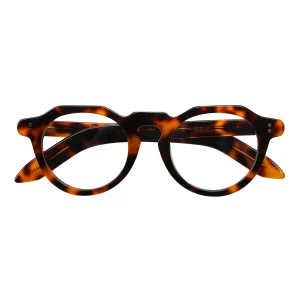
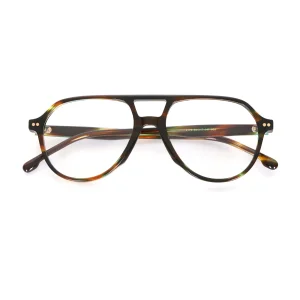
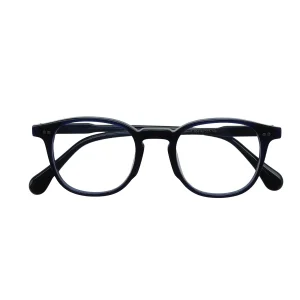
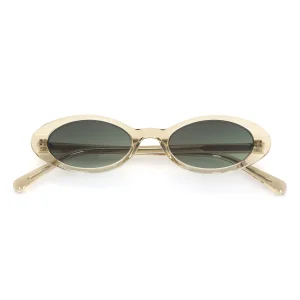
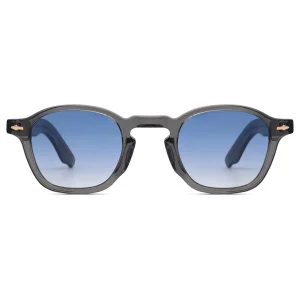
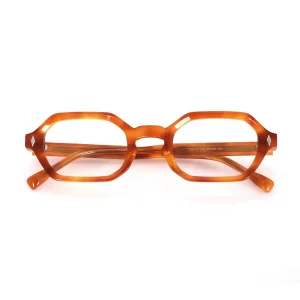
Analyzing structural shifts in luxury optical manufacturing, eco-material integration, and technical OEM/ODM requirements.
The global eyewear sector is undergoing a profound paradigm shift. Driven by surging demand for personalized prescription optics, protective blue-light filtering devices, and eco-conscious luxury accessories, the international market for high-quality unique eyewear frames requires unprecedented levels of manufacturing agility, material science precision, and ergonomic customization. Modern brand owners, independent optical chains, and private label distributors can no longer rely on standardized mass production; competitive differentiation now hinges on procuring bespoke frame geometries, bio-based cellulose acetates, and aerospace-grade pure titanium assemblies engineered with microscopic tolerance levels.
As consumer preferences bifurcate between vintage heritage aesthetics and ultra-lightweight minimalist architectures, contract manufacturers must bridge the gap between traditional craftsmanship and automated high-precision engineering. According to recent market analysis, global retail eyewear sales are projected to exceed $190 billion by 2030, with contract-manufactured custom optical frames representing the fastest-growing segment. High-margin retail success relies directly upon vendor reliability, structural frame durability, biocompatibility compliance, and rapid prototyping turnaround times.
Enterprise procurement directors must evaluate manufacturers based on verifiable structural capabilities—such as 5-axis CNC machining, multi-stage diamond polishing, and zero-defect quality control protocols—rather than mere cost-per-unit metrics. Sourcing high-quality unique frames represents a strategic investment in brand equity and return-rate minimization.
Integration of renewable bio-cellulose acetates, hyper-allergenic Beta titanium, and high-memory memory metals to exceed strict global chemical safety mandates.
Deployment of 5-axis computer numerical control (CNC) equipment ensuring sub-millimeter temple hinge fitment and structural pantoscopic tilt alignment.
Leveraging specialized manufacturing ecosystems in Shenzhen to reduce sample turnaround to 7 days and support low MOQ flexibilities (from 10 pieces).
 Yintai Eyewear