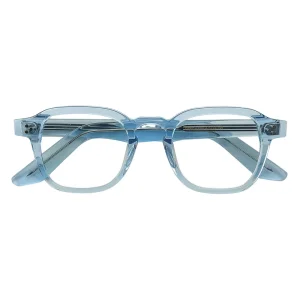
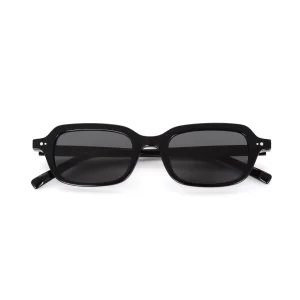
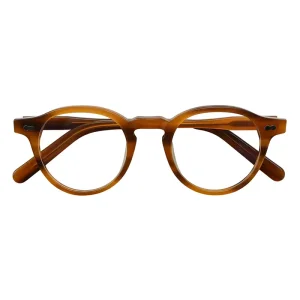
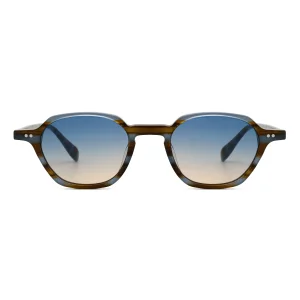
 Yintai Eyewear

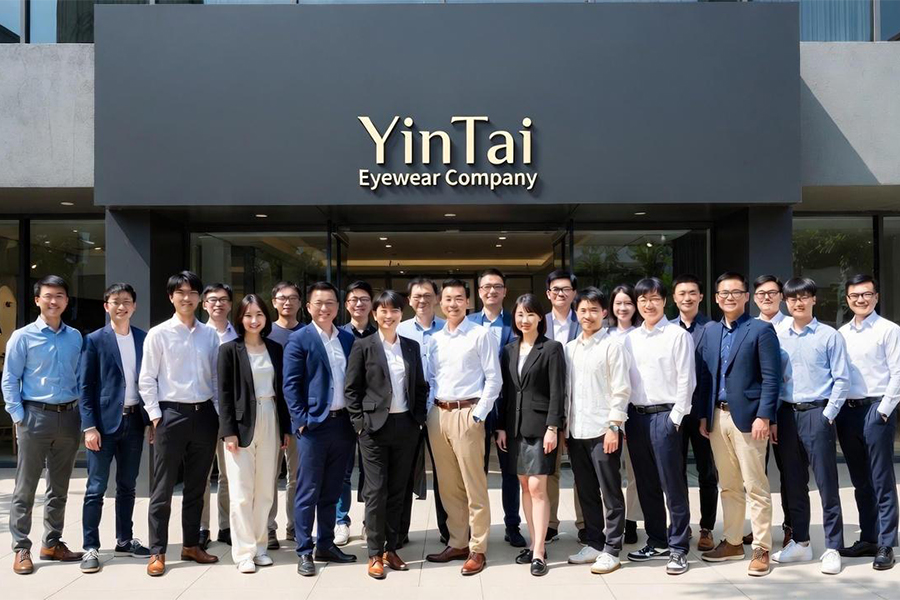
Comprehensive Global Eyewear Manufacturing White Paper
An authoritative analysis of high-density polymers, metallurgical engineering, OEM contract dynamics, and search intent alignment for luxury & optical brands.
1. Global Eyewear Manufacturing Landscape & Economic Drivers
The global eyewear market, valued at over USD 180 billion, is experiencing a fundamental structural shift driven by consumer demand for premium materials, anatomical customization, and hyper-personalized fashion cycles. According to global trade indicators, the demand for high-end custom sunglasses frames and precision prescription optical frames has outpaced mass-market injection-molded products. As brand owners, optical store chains, and direct-to-consumer (DTC) labels compete for market share, selecting the right contract manufacturer becomes the single most critical strategic decision.
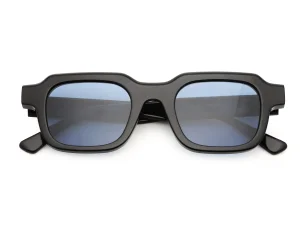
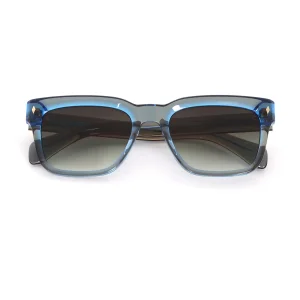
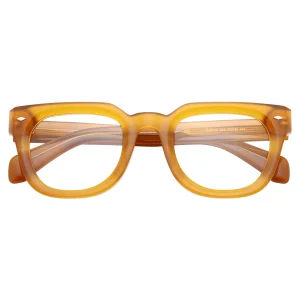
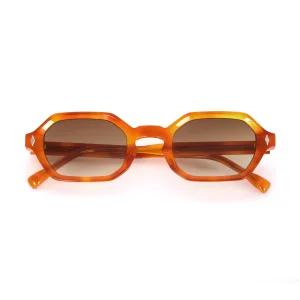
Contemporary consumers no longer view sunglasses solely as ultraviolet light protection devices; they treat them as essential architectural components of personal identity. This evolution demands that a custom sunglasses frames manufacturer & factory deliver not only aesthetic variety but also advanced material stability, mechanical resilience, and hypoallergenic safety. Shenzhen, China—specifically the specialized industrial clusters in Guangdong Province—has established itself as the global epicenter for luxury frame manufacturing, accounting for over 70% of the world's mid-to-high-end acetate and titanium frame output.
Shift Toward Sustainable & Bio-Based Polymers
Global regulatory bodies (including EU REACH and US FDA compliance mandates) are pushing brands away from petroleum-derived plastics toward bio-based cellulose acetates. Modern factories must master the extrusion, curing, and polishing of eco-friendly cotton flake derivatives without sacrificing structural rigidity or optical transparency.
Micro-Precision Engineering & Ultra-Tolerances
High-end optical frames require tolerance control within ±0.05 mm to prevent lens distortion and stress fracturing. Integrating multi-axis CNC machines with automated laser calibration ensures that temple hinges, wire-cores, and lens bevel grooves fit seamlessly every single time.
2. Advanced Material Science in Frame Manufacturing
Understanding raw material chemistry is essential for optimizing cost structure, frame lifespan, and wearer comfort. At Yintai Eyewear, our R&D lab focuses on three primary material matrices:
A. High-Density Cellulose Acetate (Mazzucchelli & Premium Grade Sourced)
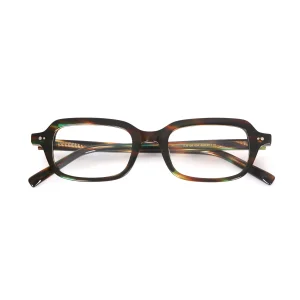
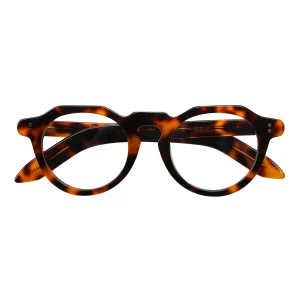
Unlike injection-molded plastics (such as PC or basic acrylics), premium cellulose acetate is an organic polymer crafted from natural cotton linters and wood pulp. The material undergoes a rigorous aging process. Raw acetate sheets are cured in temperature-controlled chambers for 30 to 90 days to release residual solvent volatile organic compounds (VOCs). This step is non-negotiable: under-cured acetate will shrink, warp, or lose alignment over time when exposed to ambient heat or facial oils.
Acetate Curing & Barrel Polishing Benchmark:
- Raw Material Composition: ~70% Organic Cellulose, ~30% Natural Plasticizers & Bio-dyes.
- Drying & Aging Cycle: Minimum 30-day thermal stabilization at 45°C.
- Tumbling Protocol: 72-hour multi-stage rotary barrel tumbling using Japanese birch wood chips, walnut shell granules, and proprietary organic polishing pastes to achieve deep mirror clarity.
B. Pure Titanium (Grade 4) & Beta-Titanium Alloys
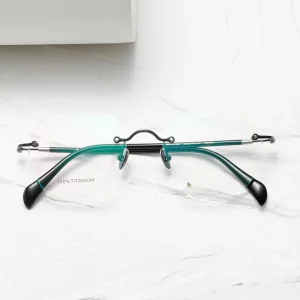
For rimless, semi-rimless, and ultra-lightweight optical lines, Titanium offers an unparalleled strength-to-weight ratio. Pure Titanium (purity > 99.2%) provides exceptional corrosion resistance and bio-compatibility, preventing skin irritation across all wear profiles. Beta-Titanium alloys (blended with Vanadium and Aluminum) introduce elasticity, allowing temple arms to flex repeatedly under mechanical load without permanent deformation.
C. Eco-Conscious Bio-Acetate & TR90 Memory Polymers
Addressing the eco-conscious luxury segment, our bio-acetates replace traditional phthalate-based plasticizers with organic plant-based plasticizers. They achieve a 100% bio-degradability profile under industrial composting conditions while maintaining identical color depth, lamination flexibility, and mechanical hand-finishing capabilities.
3. Industrial Technical Roadmap & Manufacturing Process
Transforming a 2D fashion sketch or CAD schematic into a consumer-ready custom sunglasses frame demands an intricate multi-stage workflow. The table below highlights our standard manufacturing methodology across OEM/ODM production lines:
Phase 1: CAD/CAM Engineering
3D vector modeling of lens groove curvature, pantoscopic tilt (8-12 degrees), bridge anatomical geometry, and weight distribution analysis.
Phase 2: CNC Precision Milling
High-speed 5-axis CNC cutters slice raw acetate blocks into preliminary front rims and temple shapes within micro-millimeter tolerances.
Phase 3: Core-Wire & Hinge Mounting
Thermally shooting custom engraved metal wire-cores into temple arms; precision soldering or riveting 3-barrel, 5-barrel, or 7-barrel German OBIS hinges.
Phase 4: Hand-Filing & Final QA
Master artisans perform hand-filing, bridge curvature setting, laser logo engraving, optical lens insertion, and comprehensive IQC/IPQC/FQC inspections.
4. Regional Application Scenarios & Global Intent Analysis
Search intent for sunglasses manufacturing varies significantly by geographic region and target consumer demographic. A successful product line requires precise adjustment of frame geometry, nose pad design, and color palettes:
A. North American Market Dynamics (US & Canada)
Dominant Styles: Bold, thick-profile acetate frames (6mm to 10mm rim depth), retro narrow square shapes, and classic aviator silhouettes.
Technical Fit Requirements: Standard bridge fit (18mm-22mm), extended temple arm lengths (145mm-150mm), and high-contrast TAC or Nylon polarized UV400 lenses.
B. European Union Market Dynamics
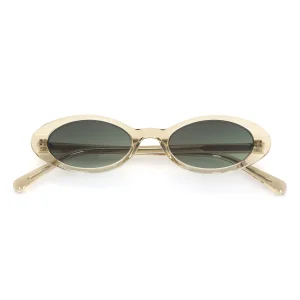
Dominant Styles: Minimalist rimless titanium, elegant vintage cat-eye contours, and subtle translucent/champagne acetate tones.
Regulatory & Environmental Priorities: Full compliance with CE EN ISO 12312-1 regulations, REACH chemical safety standards, and demand for certified bio-degradable eco-acetates.
C. Asia-Pacific & Middle East Geometries
Dominant Styles: Oversized square frames, geometric rimless cut-lenses, and high-lustre 18K gold/silver physical vapor deposition (PVD) vacuum plated metal hardware.
Asian Fit Engineering: Custom deepened acetate nose pads or adjustable titanium nose pad arms, flattened frame front base curve (reduced curvature to prevent cheekbone resting), and modified pantoscopic tilt angle.
5. Holistic OEM/ODM Macro Solutions for Global Brands
Whether supporting an established international fashion house or scaling an emerging direct-to-consumer eyewear startup, Yintai Eyewear delivers turnkey production frameworks tailored to business model velocity:
Boutique & DTC Incubator Solution
- Low Minimum Order Quantities (MOQ): Flexible ODM options starting as low as 10 pieces for ready-stock models with custom logo branding.
- Rapid Prototyping: 3D printed sample proofing within 5 days; physical acetate prototype delivery within 14 business days.
- Unboxing Ready Packaging: Custom rigid cases, micro-fiber cleaning cloths, and branded presentation boxes bundled directly at source.
High-Volume Retail & Chain Enterprise Solution
- Mass Production Capacity: Scalable monthly output exceeding 20,000+ finished units across mixed production lines.
- Proprietary Tooling & Mold Ownership: Custom steel dies and 5-axis CAD cutter programs held exclusively under NDA protection.
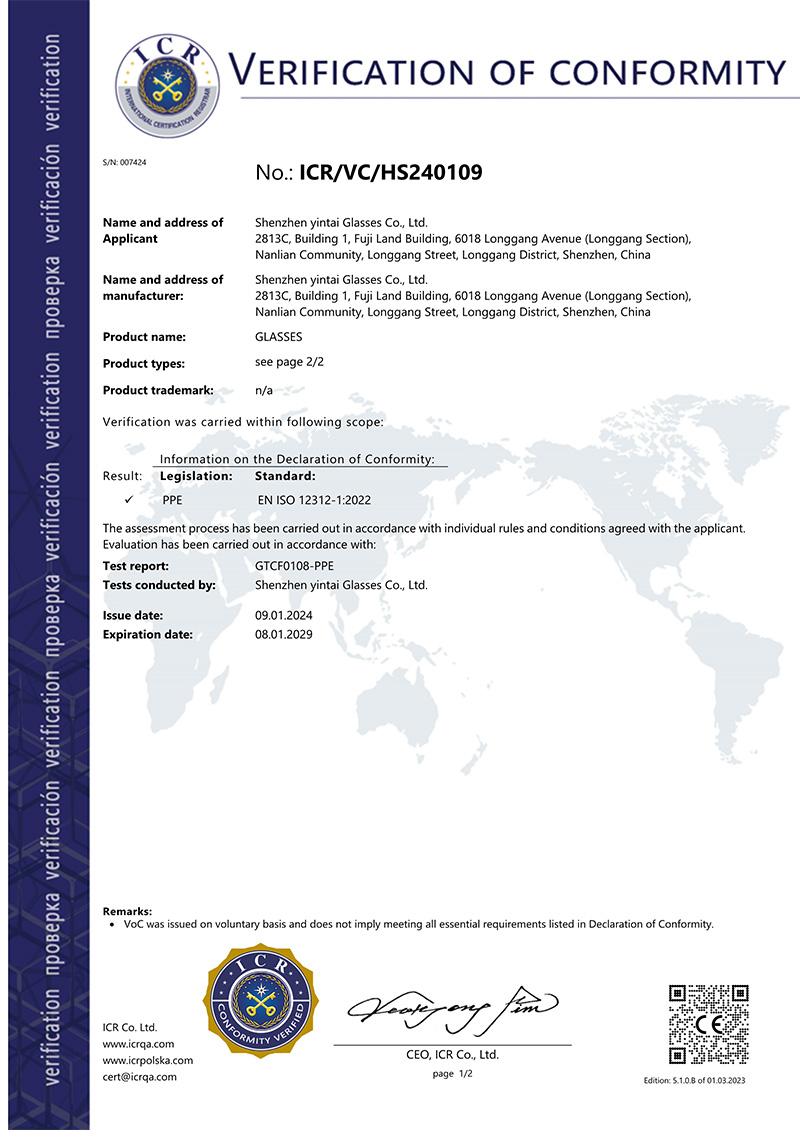
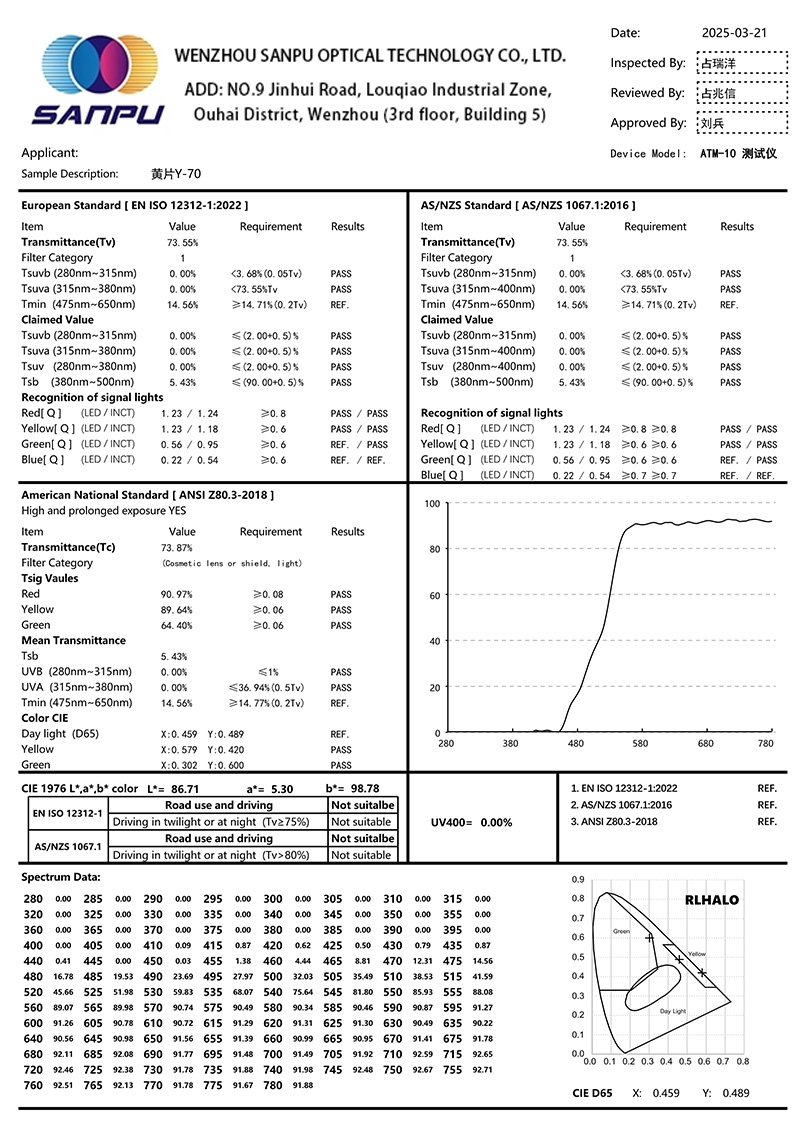
- Complete Compliance Documentation: Full test reports provided for ISO9001 quality audits, CE certification, FDA registration, and RoHS testing.
Vertically Integrated Manufacturing Facilities
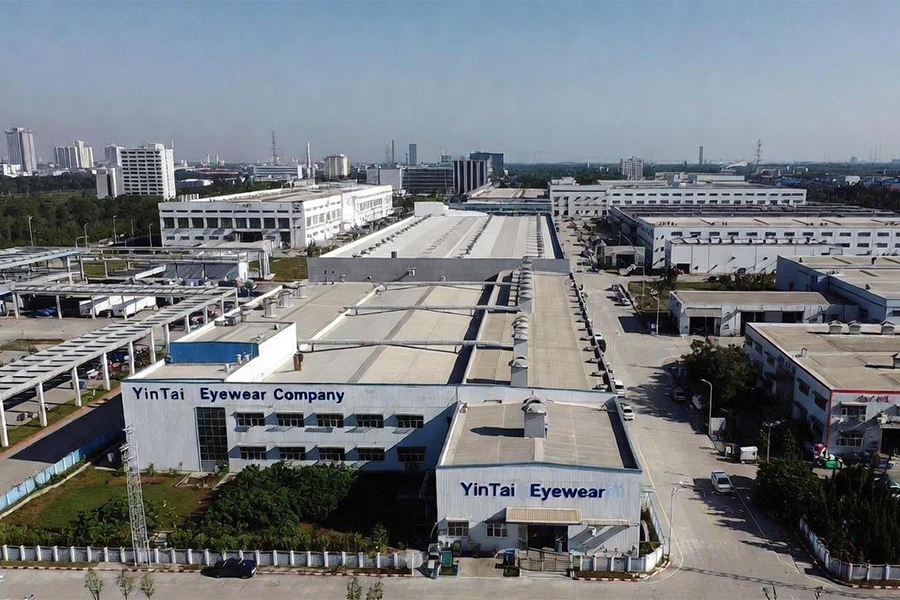
Below is a glance at our factory floor infrastructure, showing specialized tooling stations, cleanroom environments, and automated quality checking rigs.
6. Industry Technical Q&A (Frequently Asked Questions)
Below are essential insights regarding custom frame production, material choices, ordering procedures, and quality benchmarks.
For custom OEM projects, initial 2D design renders and 3D CAD blueprints require 3–5 business days. Once CAD specs are approved, physical prototype samples (acetate or metal) take approximately 14 to 21 days. Mass production cycles range between 45 to 60 days, depending on frame complexity, custom color lamination curing requirements, and order volume.
Our quality control system strictly enforces three distinct inspection gates: IQC (Incoming Quality Control) tests raw acetate sheets, titanium wires, hinges, and optical lenses upon arrival. IPQC (In-Process Quality Control) performs dimensional checks after CNC milling, core-wire shooting, and tumbling. Finally, FQC (Final Quality Control) visually and mechanically inspects 100% of finished frames for surface micro-scratches, hinge torque stability, and lens security before packaging.
For custom ODM models in our active catalog, MOQ starts as low as 10 pieces per colorway with custom laser logo application. For full OEM custom mold developments (where unique acetate laminations or custom frame geometries are created from scratch), standard MOQ begins at 300 pieces per model (up to 3 color variants allowed).
Cured acetate is a high-density natural polymer offering superior depth of color, richness in transparency, and long-term dimensional stability. Unlike molded plastics that become brittle or melt under heat, acetate can be adjusted repeatedly by opticians using frame warmers to fit a wearer's face perfectly. Furthermore, acetate allows for multi-layer color laminations and hand-polished mirror finishes unattainable with plastic injection molding.
Yes. All frames manufactured by Yintai Eyewear comply fully with international optical standards. We provide documentation and testing support for CE Mark compliance (EN ISO 12312-1), US FDA registration and drop-ball impact resistance testing for sun lenses, as well as RoHS/REACH chemical safety standard verifications.
We offer diverse branding execution techniques including high-precision laser engraving, metallic hot-stamping, 3D metal logo inlay casting, core-wire custom etching, silk-screen printing, and photo-etched temple end-cap medallions.