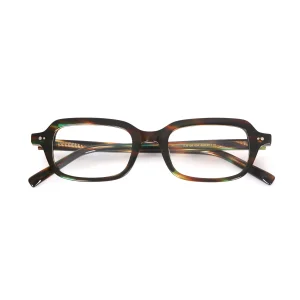
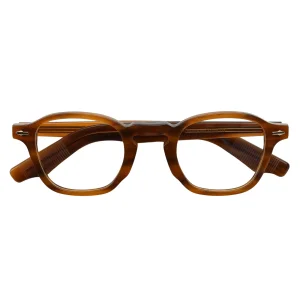
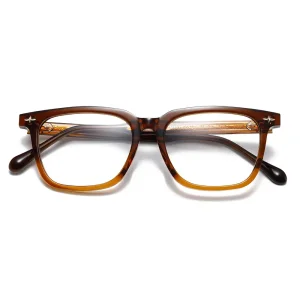
Premium Precision-Engineered Eyewear Frames Direct from China's Premier Manufacturing Hub
Vertically Integrated OEM/ODM Ecosystem in Shenzhen, Guangdong Province, China
Yintai Eyewear is a leading manufacturer based in Shenzhen, Guangdong Province, China, specializing in eyewear production. After 15 years of dedicated development, we have evolved into a modern enterprise integrating technological R&D, precision manufacturing, and global sales. Our facility serves independent eyewear brands, optical retail chains, luxury distributors, and fashion houses across North America, Europe, Asia-Pacific, and the Middle East.
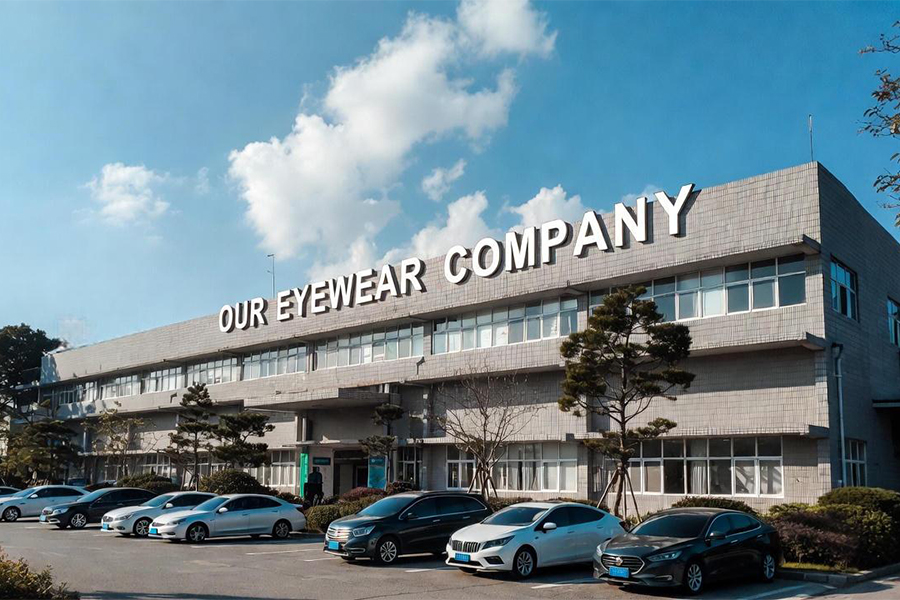
Located in the industrial park at Fuji Land Building, equipped with: fully automated production lines, multi-axis CNC machining centers, Class 10,000 cleanrooms, and automated tumbling polishing vats, ensuring both stable production capacity and consistent quality across high-volume production cycles.
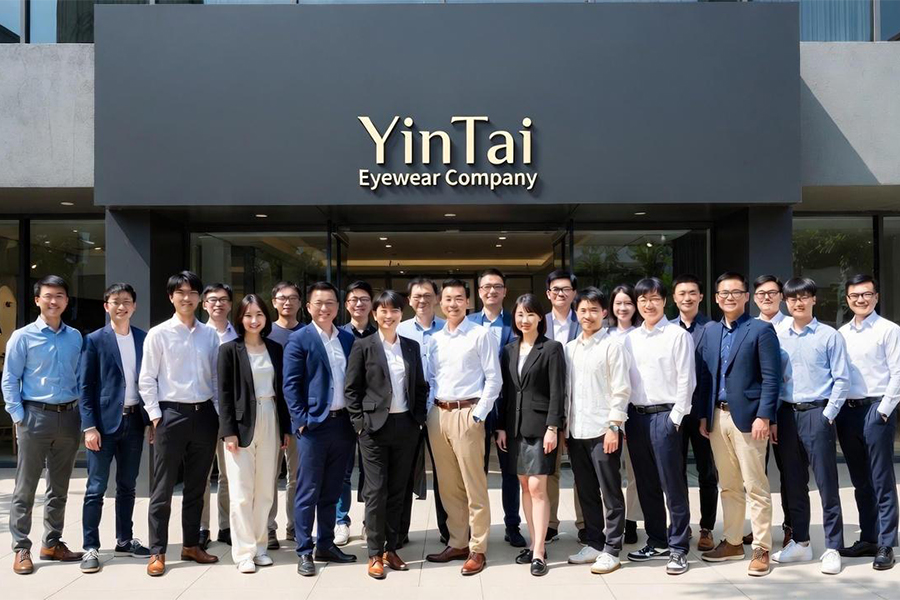
We have over 200 dedicated employees, including a 10-member elite R&D and technical team that continuously drives product innovation, CAD/CAM prototyping, structural ergonomics, and manufacturing process optimization to meet ultra-strict international standards.
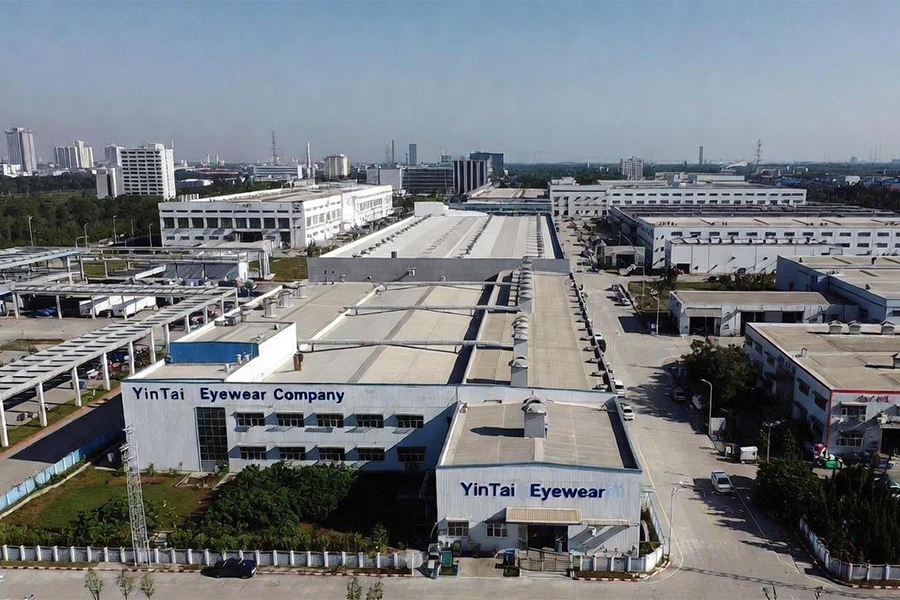
From raw material procurement (cellulose acetate block sourcing, titanium milling) and custom mold development to finished product assembly and quality auditing, we have achieved vertical integration across core production processes. This translates to more controllable costs, faster delivery cycles, and uncompromised product quality.
An In-Depth Engineering and Business Sourcing Analysis for Global Eyewear Brands, Chains, and Distributors
The global optical frame industry is experiencing a profound paradigm shift driven by evolving consumer aesthetics, demands for ergonomic comfort, and the rapid proliferation of independent eyewear brands. B2B buyers—ranging from multi-location optical retail chains to fashion conglomerates and e-commerce platforms—face multifaceted challenges. Sourcing custom optica frames requires balancing aesthetic perfection with mechanical integrity, structural durability, and tight cost parameters.
Key operational friction points for international procurement directors include inconsistent frame dimensions, improper hinge wire core embedded depths, premature material deformation of cellulose acetate, and non-compliance with strict international health standards (such as nickel release levels or REACH chemical regulations). Working directly with a specialized China custom optical frame factory that implements end-to-end quality control eliminates these vulnerabilities, offering a streamlined path from initial CAD drafting to high-volume global distribution.
Information Gain Insight: Modern optical frame manufacturing is no longer a simple stamping process. Premium optical frames require up to 120 discrete production steps, including multi-stage tumbling, hand-polishing with organic media, ultrasonic cleaning, and precision CNC milling to achieve optical tolerances within ±0.05mm.
Shenzhen, China, has established itself as the global capital for high-end optical frame engineering, specifically renowned for cellulose acetate, pure titanium, and complex combination frames. Unlike fragmented regional manufacturing clusters, Shenzhen’s optical ecosystem offers unmatched vertical integration. Within a tight geographic radius, raw material suppliers (providing premium Mazzucchelli acetate plates as well as high-density domestic eco-acetates), custom barrel hinge technicians, lens cutting facilities, and plating specialist factories operate in close collaboration.
Yintai Eyewear leverages this industrial concentration at our 5,000+ square meter production base. By managing raw material sourcing, prototype tooling, 5-axis CNC machining, barrel hinge wire insertion, hand polishing, and laser etching in-house, we reduce production lead times by up to 35% compared to non-integrated manufacturers.
| Manufacturing Parameter | Yintai Eyewear Factory Standard | Industry Average / Standard Supplier |
|---|---|---|
| CNC Milling Precision | ±0.03mm – ±0.05mm (5-Axis CNC) | ±0.10mm – ±0.15mm (3-Axis CNC) |
| Acetate Curing & Oven Aging | 72 Hours minimum thermal stabilization | 24 – 36 Hours (Risk of frame warping) |
| Barrel Hinge Durability Test | > 25,000 Open/Close Cycles under load | 10,000 Open/Close Cycles |
| Quality Qualification Rate | 99.0% (IQC, IPQC, FQC, OQC Systems) | 93% – 95% |
| MOQ Flexibility | From 10 units for selected stock/custom ODM models | 500 – 1,000 units minimum |
High-grade optical frames demand materials that offer structural memory, rich color depth, and hypoallergenic skin compatibility. Premium Italian and domestic bio-based cellulose acetate (derived from natural cotton linters and wood pulp) remains the preferred material for luxury and medical-grade prescription frames. Unlike injection-molded plastics, cured acetate frames can be easily adjusted by opticians using standard frame heaters to ensure a perfect fit over the patient's nose bridge and ears without snapping.
The longevity of custom optica frames depends heavily on the integration of temple wire cores and hinge systems. Yintai Eyewear utilizes custom-designed 3-barrel, 5-barrel, and 7-barrel hinges crafted from stainless steel, German silver, or pure titanium. Our automated hot-press wire insertion technique ensures that the metallic wire core is centered within the acetate temple, providing optimal spring tension, structural rigidity, and resistance to long-term temple bowing.
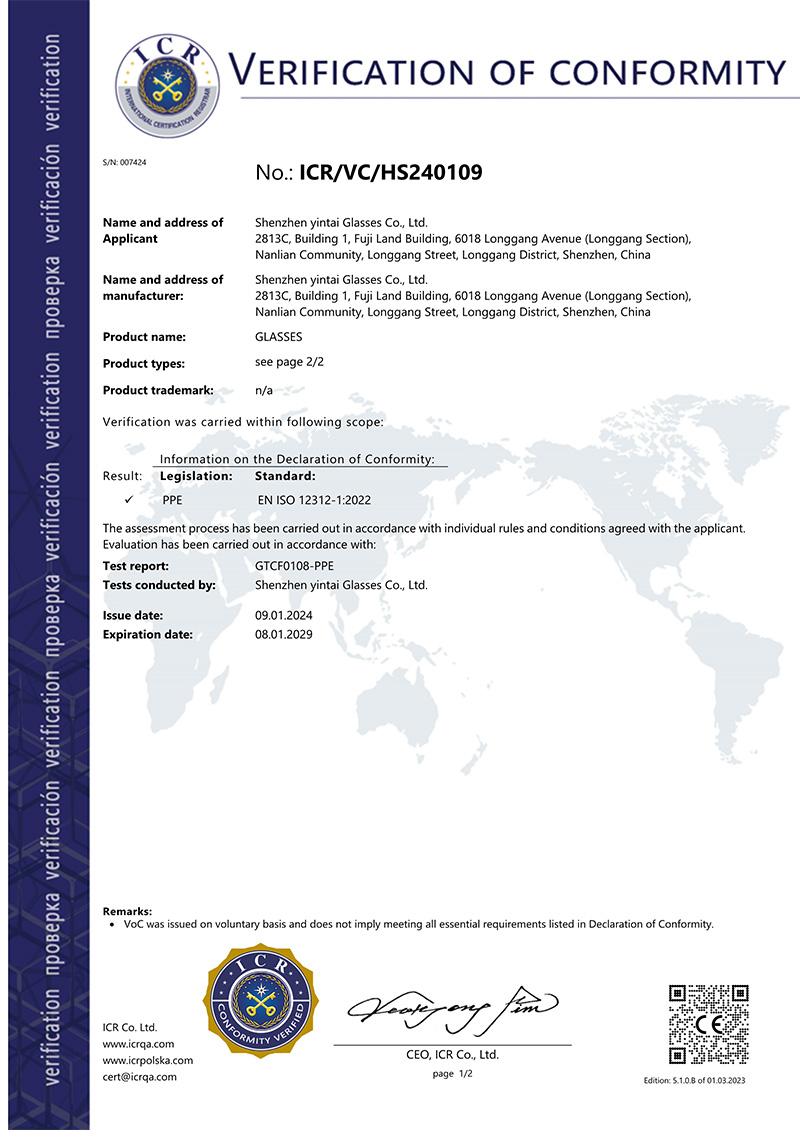
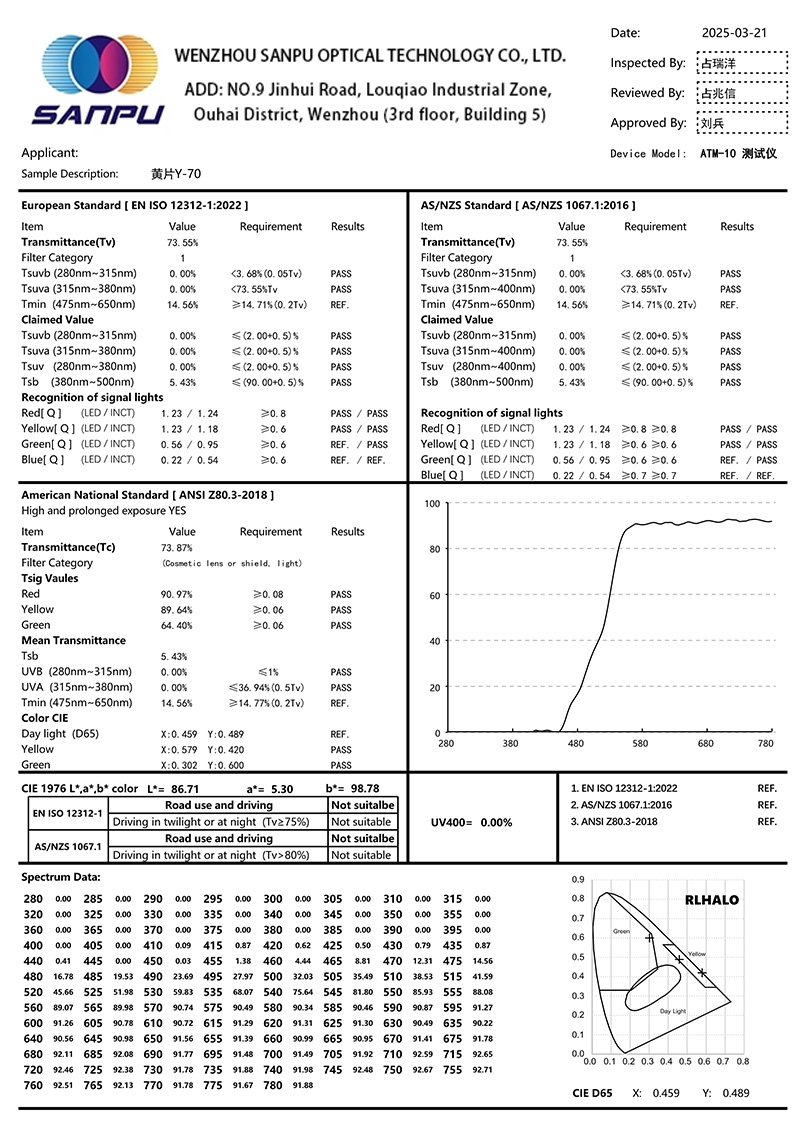
Navigating international regulatory frameworks is paramount for global optical brands. Optical frames are categorized as Class I medical devices or personal protective equipment (PPE) in major markets. Partnering with a compliant manufacturer protects brands from costly customs seizures or product recalls.
Depending on your company's stage of growth, technical resources, and go-to-market speed, Yintai Eyewear offers tailored procurement pathways:
Ideal for established optical brands with internal design teams. Send us your CAD drawings, tech packs, color pantones, and hinge specs. Our engineering team conducts DFM (Design for Manufacturability) analysis, creates rapid 3D SLA prototypes, develops custom steel molds, and executes high-volume mass production under strict NDA protection.
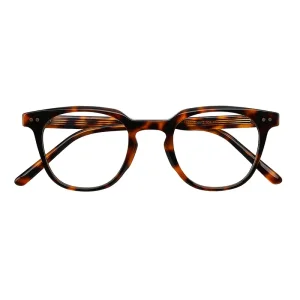
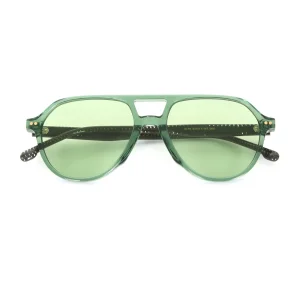
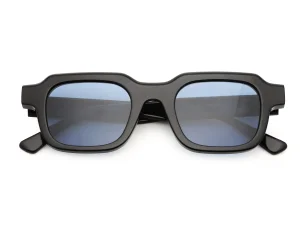
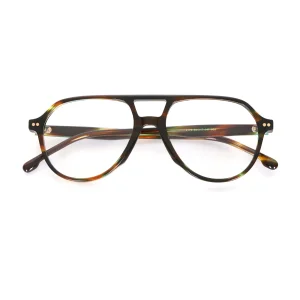
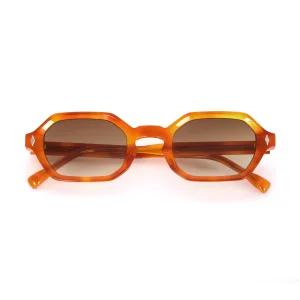
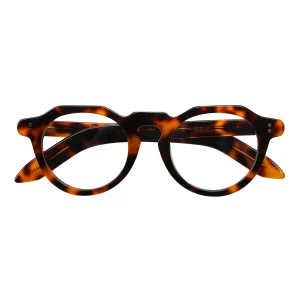
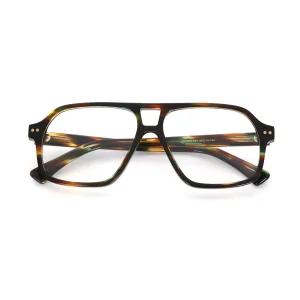
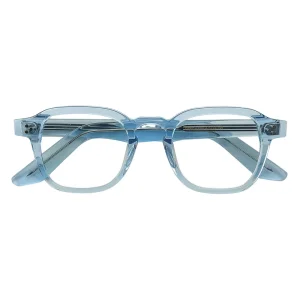
Designed for expanding retail chains and boutique brands seeking rapid market entry. Select from hundreds of our proven, market-tested frame silhouettes (vintage square, aviators, polygonal, classic round, cat-eye). Customize acetate colorways, surface finishes, laser-etched logo placement, temple tips, and custom branded packaging with low MOQs (starting at 10 units for select lines).
Tailoring optical frame specifications to localized market preferences is essential for maximize sell-through rates:
The optical manufacturing landscape is evolving rapidly. Key innovation vectors include:
1. Eco-Friendly Bio-Acetates: Utilizing biodegradable plant-based plasticizers replacing traditional chemical plasticizers, catering to environmentally conscious consumer segments without sacrificing color depth or polish finish.
2. Hybrid Material Integration: Seamlessly combining ultralight Beta-Titanium temples with CNC-milled acetate rims, securing maximum structural strength with minimal total frame weight (<15 grams).
3. Smart Frame Compatibility: Precision machining internal temple grooves to accommodate micro-electronic conduits, touch-control modules, and audio speakers for emerging smart eyewear applications.
Everything Procurement Managers Need to Know About OEM/ODM Optica Frame Sourcing
For ODM catalog designs with existing tooling, our MOQ starts as low as 10 units per SKU, allowing rapid market testing for independent brands. For fully customized OEM projects requiring new extrusion molds or custom acetate sheet formulations, standard MOQs typically range from 300 to 500 units per colorway.
Initial 3D CAD modeling and technical drawings are delivered within 48 hours. Physical sample prototyping (using SLA 3D printing or CNC hand-sample milling) takes approximately 10 to 15 days. Upon sample approval, standard mass production lead time is 45 to 60 days, depending on frame complexity and custom material aging cycles.
We enforce strict material curing processes, storing raw acetate blocks in climate-controlled aging rooms for 72 hours before CNC processing to prevent residual stress and frame warping. Additionally, automated multi-axis CNC machines cut lens grooves and bridge bevels with ±0.03mm precision, followed by 3-stage automated tumbling and hand inspection.
Yes. All Yintai optical frames and sunglasses are compliant with CE declaration, ISO 9001, RoHS chemical safety standards, and FDA registration guidelines. Complete test reports (including drop-ball impact tests and nickel release reports) can be provided prior to dispatch.
We offer comprehensive branding capabilities including high-precision laser engraving on inner/outer temples, foil hot-stamping, custom metallic logo inlay insertion inside the acetate temple, logo printing on demo lenses, custom microfiber lens cloths, hard cases, and branded outer boxes.
Our quality assurance matrix operates in four tiers: IQC (Incoming Quality Control for acetate sheets, hinges, wire cores), IPQC (In-Process Quality Control after CNC milling and tumbling), FQC (Final Quality Control after assembly), and OQC (Outgoing Quality Control prior to packaging). This strict regimen guarantees our 99% pass rate.
China Factory Direct Supply - Wholesale Vintage, Modern, and Technical Eyewear Solutions
 Yintai Eyewear