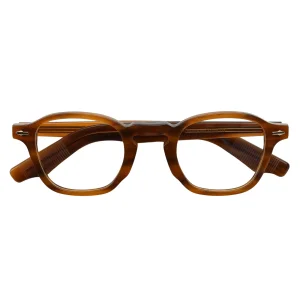
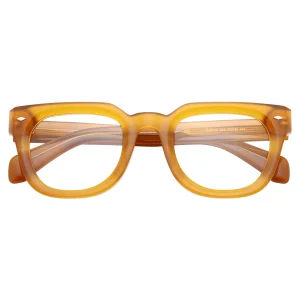
Explore our high-performance optical frames and sunglasses engineered with memory polymers, flexible titanium, and hand-finished acetate for global B2B buyers.
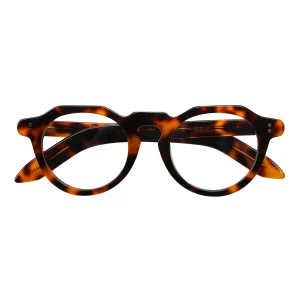
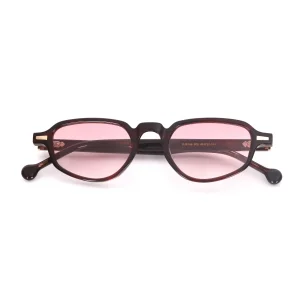
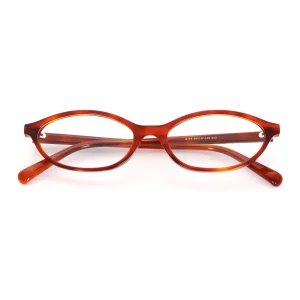
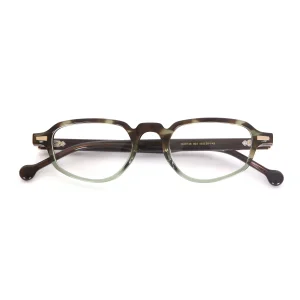
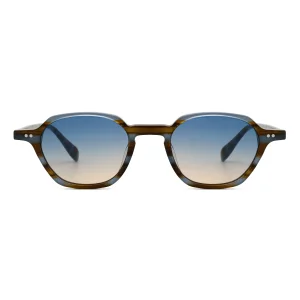
Understanding the Shift Toward Flexible, High-Durability Materials in B2B Eyewear Sourcing
The global eyewear market is undergoing a structural paradigm shift. Modern optical consumers, commercial enterprise buyers, and optical boutique chains no longer view frames strictly through the lens of aesthetics. Today, functional ergonomics, extreme material elasticity, impact resistance, and weight optimization are primary purchasing drivers. Custom flexible glasses frames—engineered using advanced materials such as Swiss Grilamid TR90, Beta-Titanium alloys, Ultem (PEI), and shape-memory polymers—represent the fastest-growing sector within prescription eyewear and technical sunglasses worldwide.
According to recent industry analytics, the global flexible frame segment is expanding at a CAGR of 7.4% through 2030. Sourcing directors and private label optical brands face intense competition: end-users demand lightweight frames that endure accidental drops, flex without permanent mechanical deformation, remain hypoallergenic, and provide maximum temple comfort during extended digital screen usage. This whitepaper analyzes material performance metrics, strategic procurement intentions, manufacturing workflows, and how Shenzhen Yintai Eyewear delivers competitive information gain and supply chain security to global B2B partners.
Modern wearers require zero-pressure nose bridges and flexible temples that adapt dynamically to diverse head contours without requiring constant manual optician adjustments.
Retailers and e-commerce platforms suffer profit loss from broken frame arms and snapped bridges. Flexible frames reduce transit breakage and customer warranty returns by up to 68%.
Strict international standards (ISO 12870, CE markings, EU REACH compliance) mandate non-toxic, nickel-free, and skin-friendly materials for long-term facial contact.
A scientific breakdown of raw materials used in flexible glasses frame manufacturing
Selecting the optimal frame substrate depends directly on target end-user applications, budget tiers, and structural requirements. Below is a comparative technical analysis conducted by Yintai Optics' R&D team evaluating key structural properties across major flexible eyewear materials.
| Material Category | Elasticity / Flexural Strength | Density (Weight Metric) | Shape Memory Retention | Thermal & UV Resistance | Primary B2B Target Market |
|---|---|---|---|---|---|
| Swiss Grilamid TR90 | Ultra-High (Bends 180° without fracture) | Ultra-Light (~1.14 g/cm³) | Excellent (Returns to original geometry) | High (-30°C to +80°C) | Sports, Active Lifestyle, Kids Eyewear |
| Beta-Titanium (Ti-15V-3Cr-3Sn-3Al) | Exceptional Spring Tension | Lightweight (~4.51 g/cm³) | Superior (Metallic Elasticity) | Extreme Corrosion & Thermal Resistance | Luxury Executive, Minimalist Optical, Rimless |
| Ultem / PEI (Polyetherimide) | High Flexibility & Rigidity Balance | Featherweight (~1.27 g/cm³) | Very High | Flame Retardant, High Heat Resistance | Ultralight Prescription Frames, Clip-on Sets |
| Bio-Based High-Flex Acetate | Moderate (Enhanced by Flex Hinges) | Medium (~1.28 - 1.32 g/cm³) | Adjustable via Optician Heat Tool | Moderate (UV-Stabilized Formula) | Fashion Forward, Premium Boutique, Custom Vintage |
At Yintai Eyewear's Shenzhen manufacturing complex, our flexible TR90 and Beta-Titanium frames undergo automated cyclic bending tests exceeding 20,000 flex repetitions at 150 degrees of bridge and temple rotation. This rigorous empirical validation guarantees that frames retain shape integrity and spring tension even after multi-year daily usage by demanding consumers.
Addressing key procurement pain points for importers, brand owners, and retail chain buyers
Traditional OEM suppliers typically mandate Minimum Order Quantities (MOQ) of 500 to 1,000 units per colorway, freezing capital and forcing brands to take massive inventory risks on unverified market trends.
We empower boutique brands and fast-growing optical labels by accepting ready-to-ship custom orders starting as low as 10 units per style, with rapid private labeling.
Variations in rim groove dimensions or temple hinge alignment prevent lenses from fitting accurately during optical laboratory edging, causing costly assembly delays.
Using automated high-precision CNC machining centers, our frame dimensions maintain strict tolerances within ±0.05mm, ensuring 99.9% seamless lens edging fitment.
Waiting 6 to 8 weeks for physical sample validation slows down seasonal collection launches, missing critical market sales windows.
Our in-house 10-member R&D engineering team leverages rapid 3D CAD modeling and prototype CNC routing to deliver physical samples within 7 business days.
Non-compliant documentation, lack of CE certification, or missing test reports lead to customs delays and expensive demurrage charges in North America & Europe.
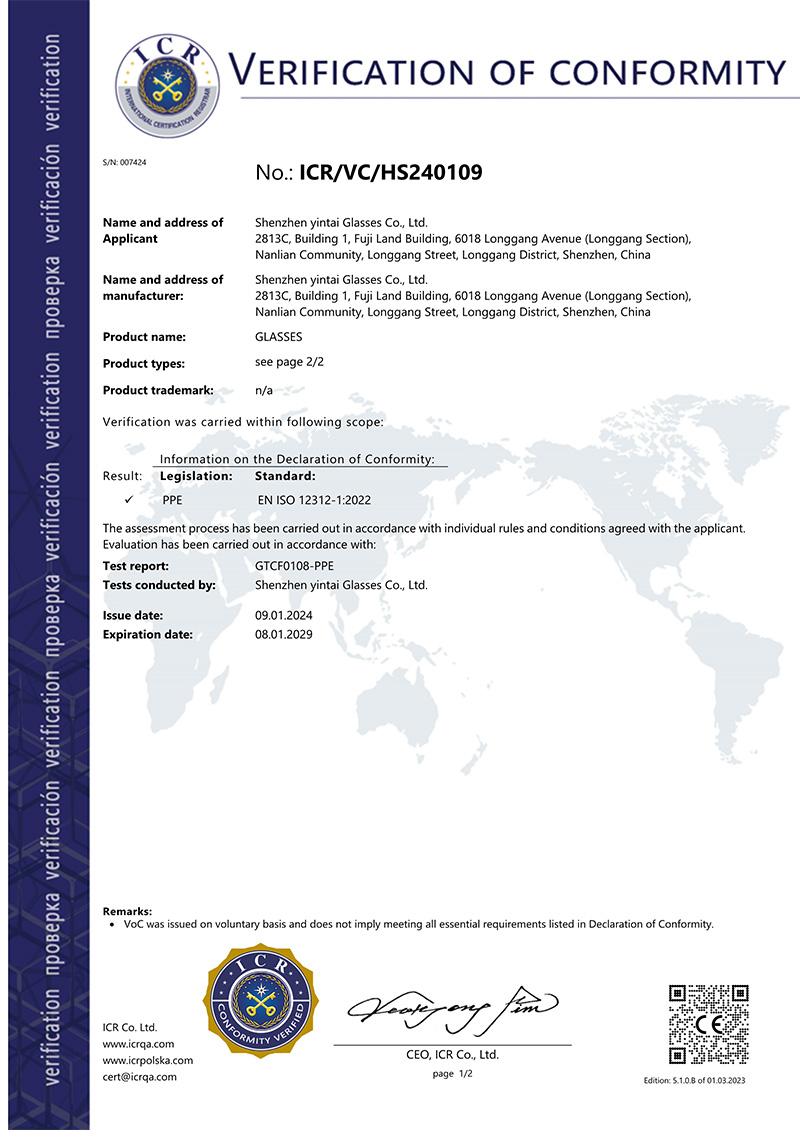
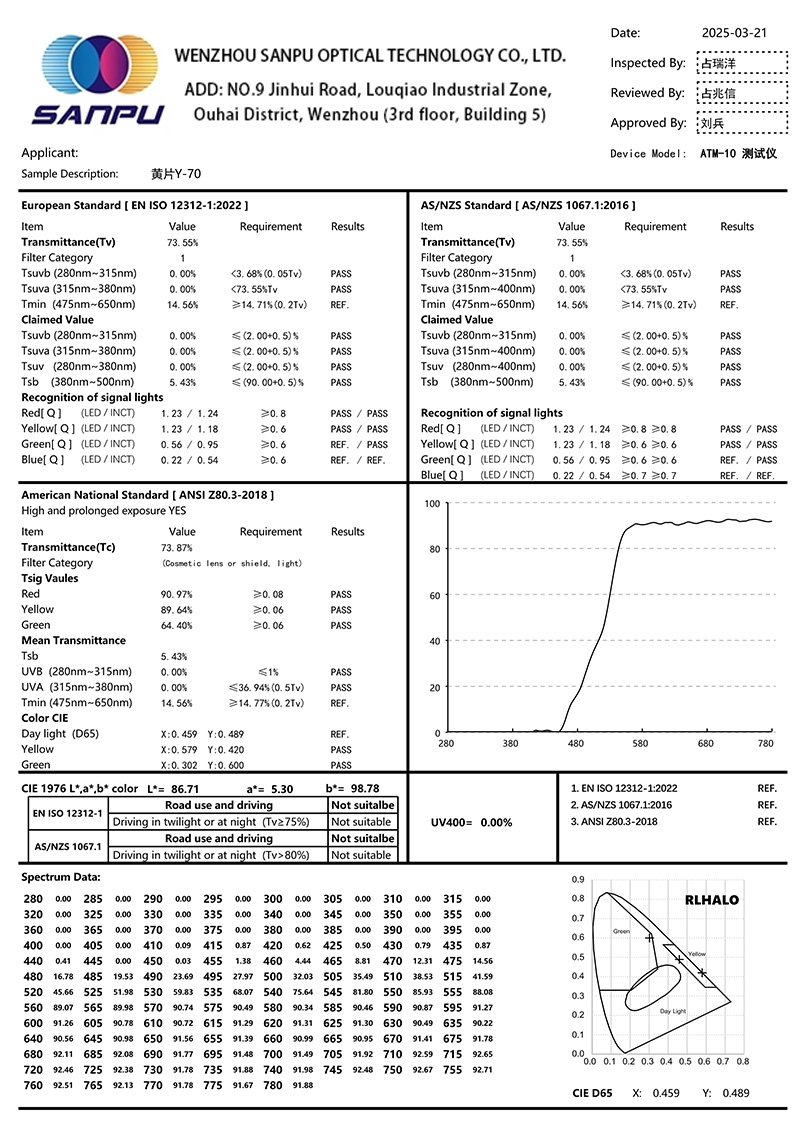
All products are backed by ISO 9001, CE, and RoHS documentation, alongside full international compliance support for hassle-free customs clearance worldwide.
15 Years of Precision Manufacturing, Vertical Supply Chain Integration & Tech Leadership
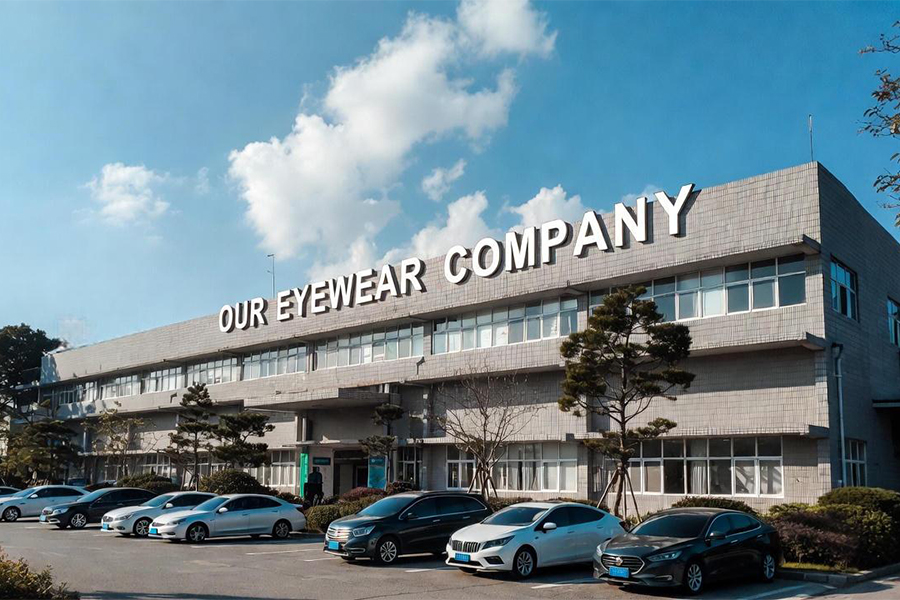
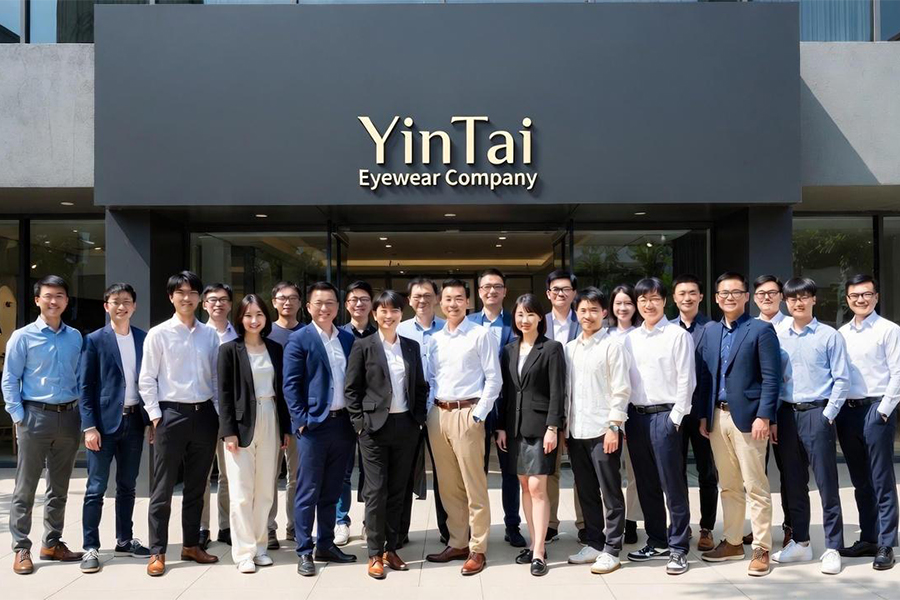
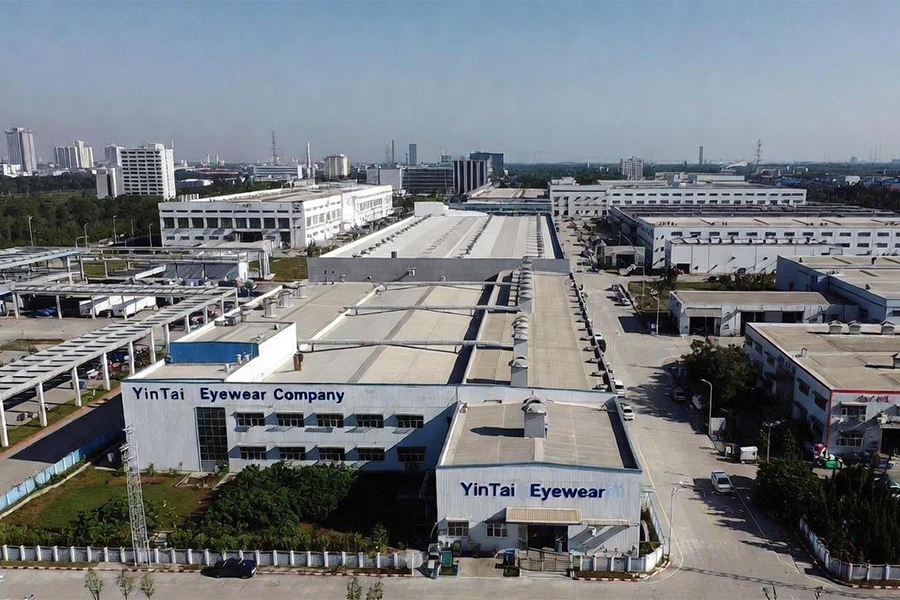
Shenzhen, China, stands as the global nerve center for high-end optical engineering. At Shenzhen Yintai Eyewear Factory (located in the Fuji Land Building Industrial Park), we have integrated Industry 4.0 principles across our entire manufacturing workflow. Modern vertical integration allows us to handle every stage internally: raw material inspection (IQC), 3D CAD design, high-precision mold development, multi-axis CNC milling, Class 10,000 cleanroom lens assembly, manual surface polishing, and final quality control (FQC).
By eliminating third-party sub-contractors, Yintai guarantees strict quality control, lower production overheads, shorter turnaround times, and complete IP protection for our custom OEM/ODM clients worldwide.
Engineered for Versatility Across Diverse End-User Lifestyle & Industrial Sectors
TR90 memory frames equipped with high-flexibility temple arms prevent injury during high-impact sports (cycling, running, skiing). High thermal stability prevents frame brittleness in freezing climates or warpage under desert heat.
Children frequently bend or step on their glasses. Flexible memory frames eliminate sharp metallic components or fragile screw hinges, providing a safer, fracture-resistant solution for schools and play environments.
Designed for software engineers, digital professionals, and gamers who wear headsets for 8+ hours daily. Featherweight flexible temples relieve pressure points on the temporal bone and ear cartilage.
Beta-Titanium rimless and semi-rimless designs offer clean architectural aesthetics for corporate professionals, combining ultra-lightweight design with subtle metallic flex comfort.
Custom hand-polished acetate frames equipped with German engineered flexible spring hinges cater to high-end fashion boutiques seeking luxury feel combined with durable temple extension.
Custom chemical-resistant PEI/Ultem flexible frames designed for medical staff, laboratory technicians, and industrial factory workers requiring high chemical stability and safety clearance.
From Concept Sketch to Mass Production in 5 Streamlined Steps
Submit your design concept, 2D vector, or reference frame. Our engineering team prepares precise 3D CAD files within 48 hours.
Physical prototype samples are crafted via precision CNC routing or high-resolution 3D printing within 7 business days for physical evaluation.
Select custom temple printing, laser logo engraving, custom inner core wire patterns, unique acetate lamination, and branded packaging.
Automated production lines run with triple-stage inspection (IQC material check, IPQC line control, FQC final optical check) achieving 99% pass rate.
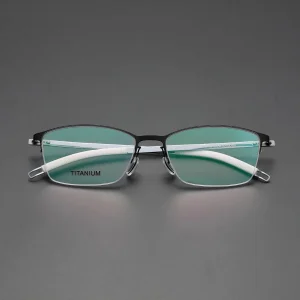
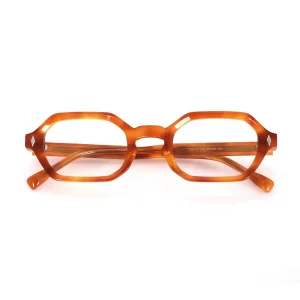
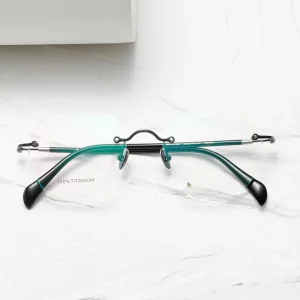
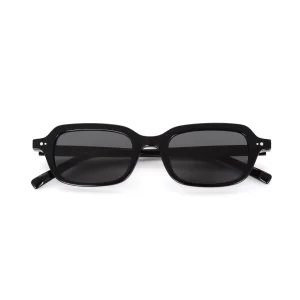
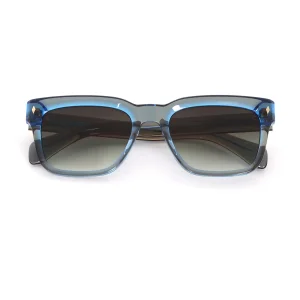
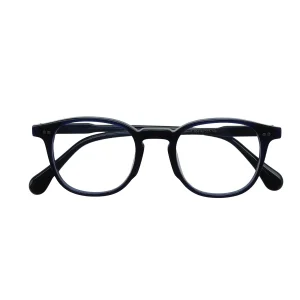
Explore our full B2B series featuring pure titanium rimless, transparent trends, and retro luxury optical frames.
Detailed Answers Regarding Materials, Testing Standards, Production Capabilities & Logistics
 Yintai Eyewear