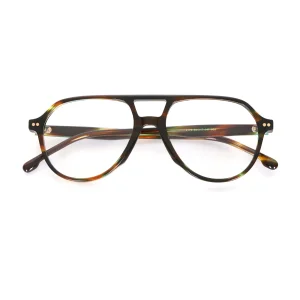
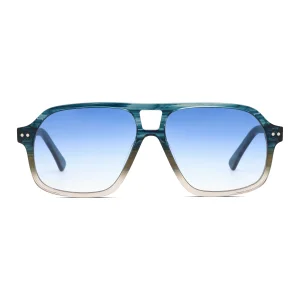
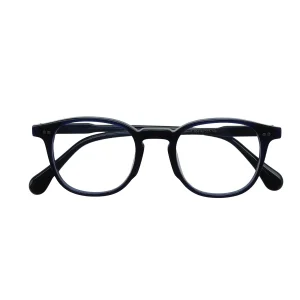
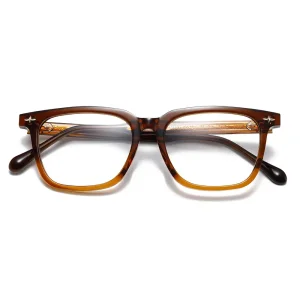
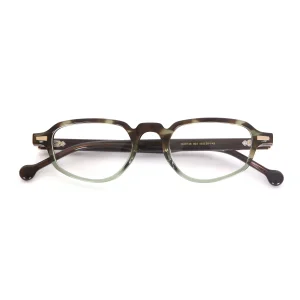
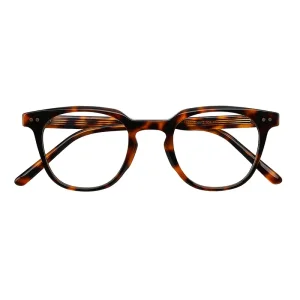
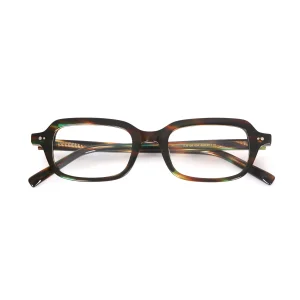
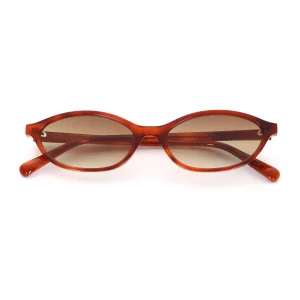
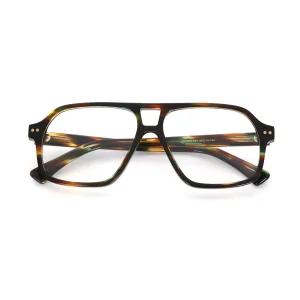
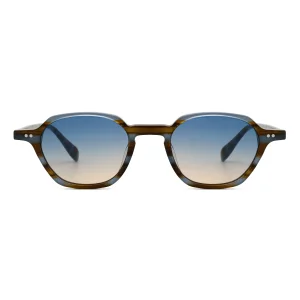
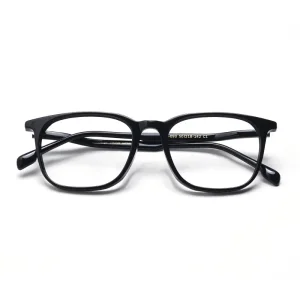
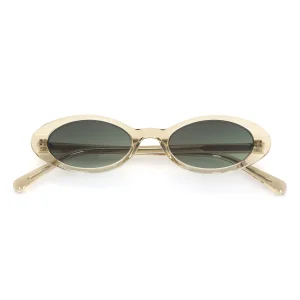
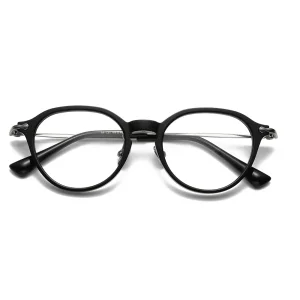
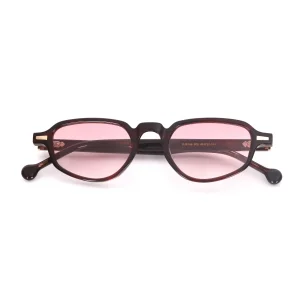
Explore our top-tier selection of precision-engineered acetate, titanium, and hybrid optical frames engineered for global distributors, prescription lab networks, and premium eyewear brands.
An analytical evaluation of market growth dynamics, high-energy visible light spectral impacts, and global supply chain imperatives shaping modern optical manufacturing.
The global anti-blue light glasses market has expanded exponentially, driven by the ubiquity of digital display displays (OLED, micro-LED, TFT) across personal and professional environments. Valued at over $2.4 billion USD, the sector exhibits a compound annual growth rate (CAGR) exceeding 8.7%. Strategic sourcing managers and brand owners are increasingly prioritizing high-transmittance, non-distorting blue-cut optics over low-tier reflective yellow filters.
Precision optics divides the 380nm–500nm blue light spectrum into critical segments. Scientific consensus identifies the 400nm–455nm zone as high-energy violet-blue radiation capable of inducing oxidative stress on retinal pigment epithelium (RPE) cells. Conversely, 465nm–495nm blue-turquoise light is essential for circadian rhythm control and melatonin suppression. Modern industrial specifications demand selective attenuation targeting 400-455nm without disturbing beneficial visible light spectrums.
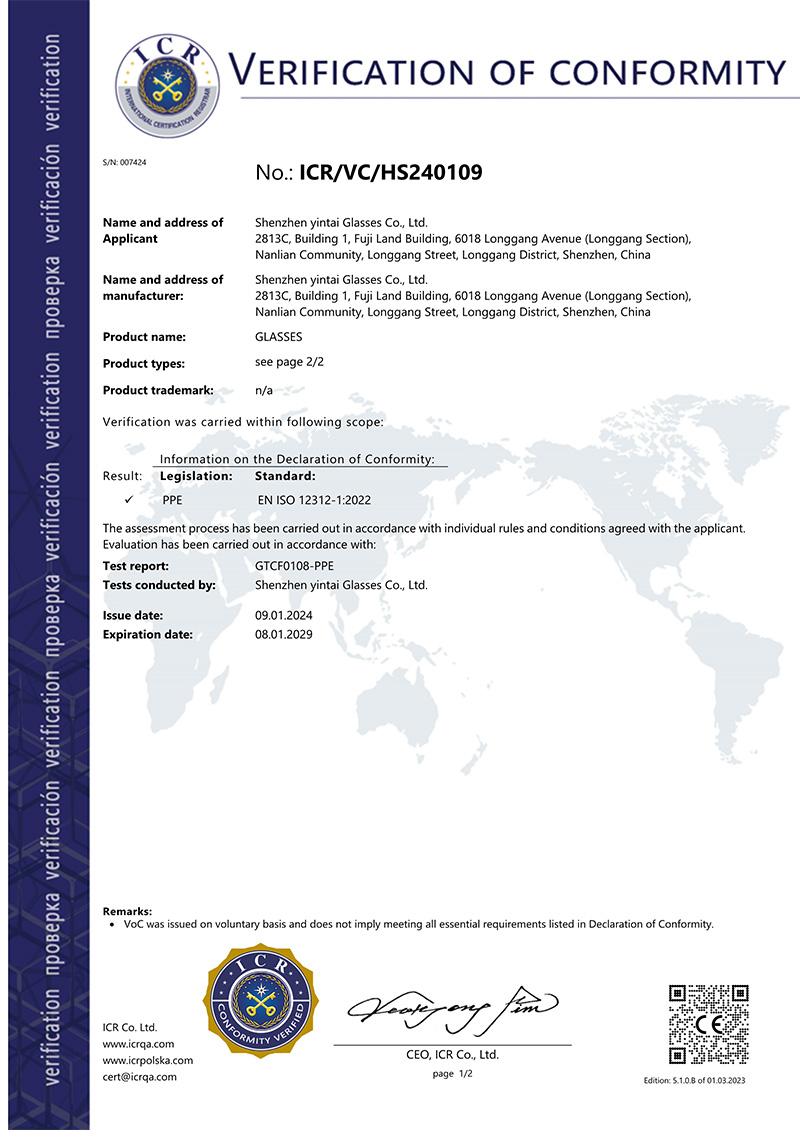
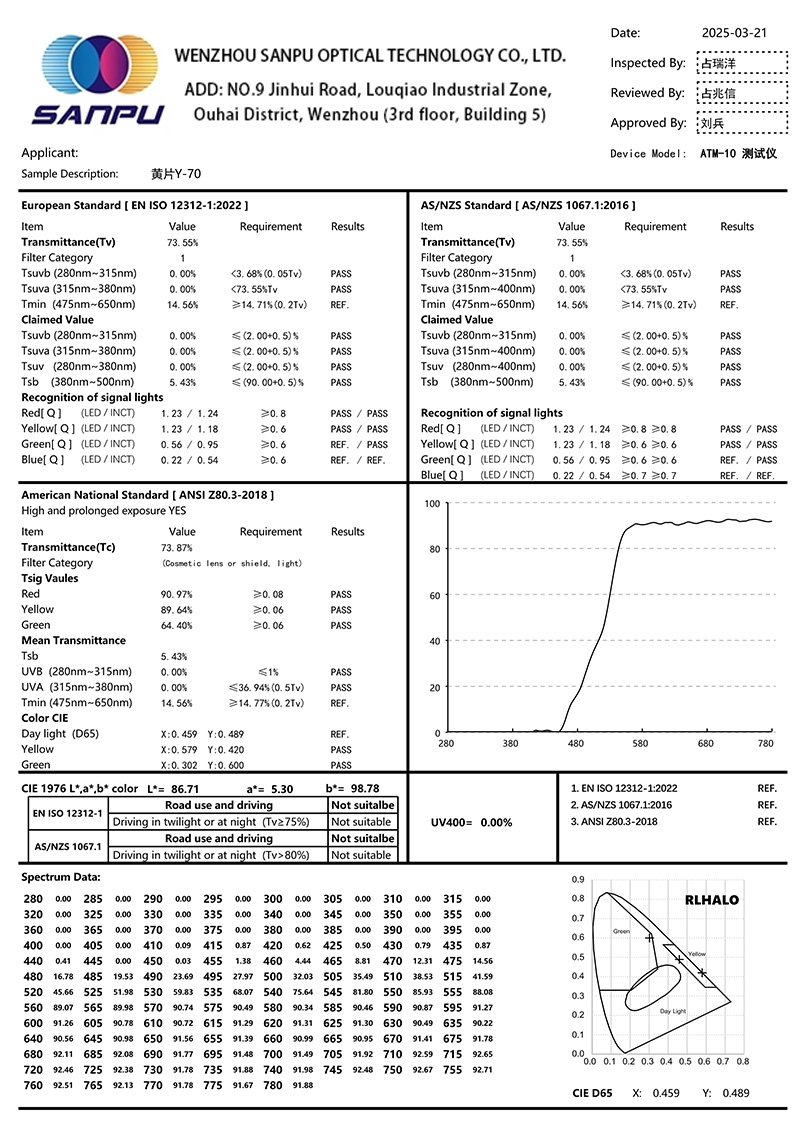
Enterprise buyers are transitioning away from generic off-the-shelf imports toward custom OEM/ODM manufacturers capable of delivering traceable material compliance (RoHS, REACH, ANSI Z80.3, ISO 12312-1). Supply chains require verified spectrophotometric testing reports proving consistent cut-off wavelengths alongside premium aesthetic frame manufacturing—combining optical safety with high-fashion acetate and titanium designs.
Next-generation blue-blocking technologies have evolved beyond surface coatings toward monomer mass-absorption and smart structural materials.
Legacy blue light glasses relied purely on vacuum-evaporated surface dielectric coatings, which produced undesirable purple-blue surface reflections and reduced visible light transmission (VLT). Modern OEM manufacturing incorporates specialized blue-absorbing chemical monomers directly into the raw resin matrix (CR-39, Polycarbonate, or High-Index 1.61/1.67 MR-8). This substrate-level absorption delivers 99%+ HEV protection at 410-420nm without surface glare.
Advanced thin-film deposition techniques utilize physical vapor deposition (PVD) inside cleanroom environments to apply 16 to 22 micro-layers of metal oxides (TiO2, SiO2, ZrO2). This engineering eliminates ghost reflections, enhances hydrophobic and oleophobic resistance, and guarantees pristine optical clarity for long-duration screen interaction.
The optical market demands ergonomic endurance. Advanced frame manufacturing merges organic cellulose acetate with Japanese Beta-Titanium and Swiss Grilamid TR90. Precision hand-carving and CNC milling produce featherweight frames weighing as little as 15 grams, reducing temple compression and bridge strain during 10+ hour digital work sessions.
Our OEM/ODM manufacturing facility adheres to strict spectrophotometric curves, balancing high VLT (Visible Light Transmission) with targeted blue light filtering:
Tailored OEM optical configurations engineered for specific vertical enterprise use cases and specialized work environments.
Multinational tech firms and financial institutions integrate custom logo anti-blue light glasses into employee ergonomics packages. Blocking blue light during nocturnal shifts reduces computer vision syndrome (CVS), minimizes eye strain, and enhances workplace productivity.
Professional gamers require ultra-precise color discrimination paired with maximum contrast enhancement. Custom OEM yellow-tinted or clear gaming lenses eliminate flicker strain from high-refresh-rate monitors (240Hz+), preserving micro-second reaction times during competitive tournaments.
Clinical technicians operating high-intensity LED surgical illuminators, dental curing lamps, or fluorescent micro-array scanners utilize specialized high-density blue-absorbing optical eyewear to safeguard long-term macular integrity without hindering fine tactile execution.
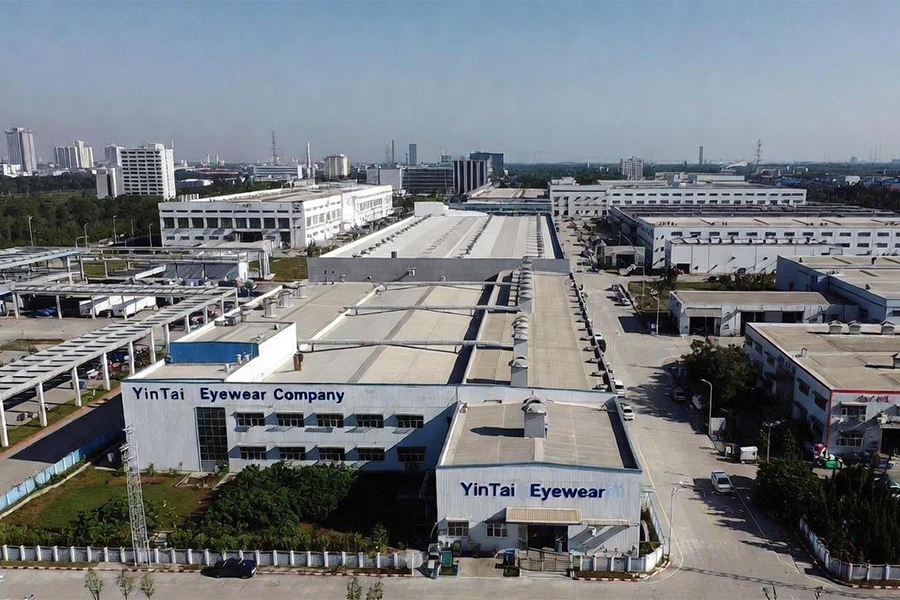
Yintai Eyewear is a leading manufacturer based in Shenzhen, Guangdong Province, China, specializing in eyewear production. After 15 years of dedicated development, we have evolved into a modern enterprise integrating technological R&D, precision manufacturing, and global sales.
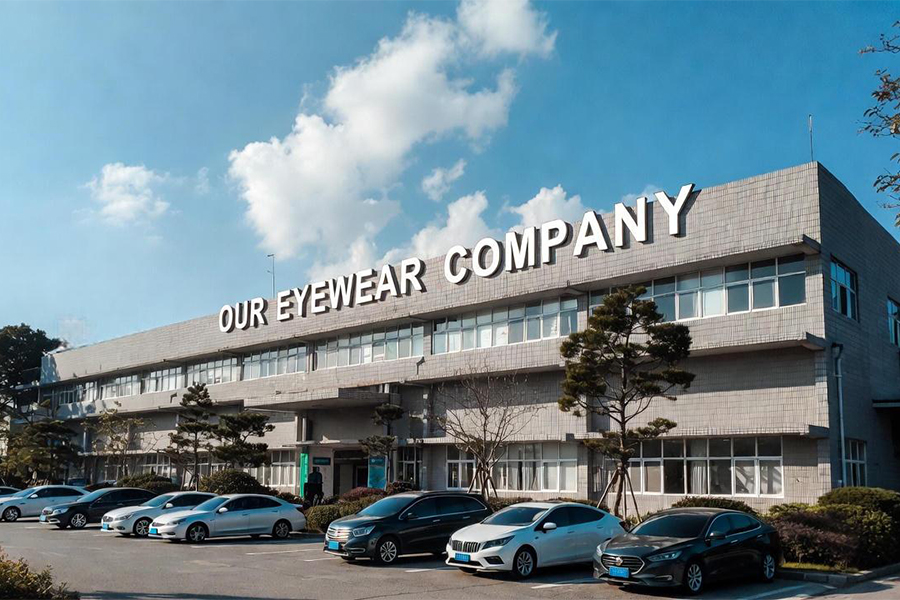
Located in the industrial park at Fuji Land Building, our facility is equipped with fully automated production lines, multi-axis CNC machining centers, and Class 10,000 cleanrooms. This infrastructure ensures exceptional manufacturing accuracy, stable volume output, and consistent optical clarity across every production batch.
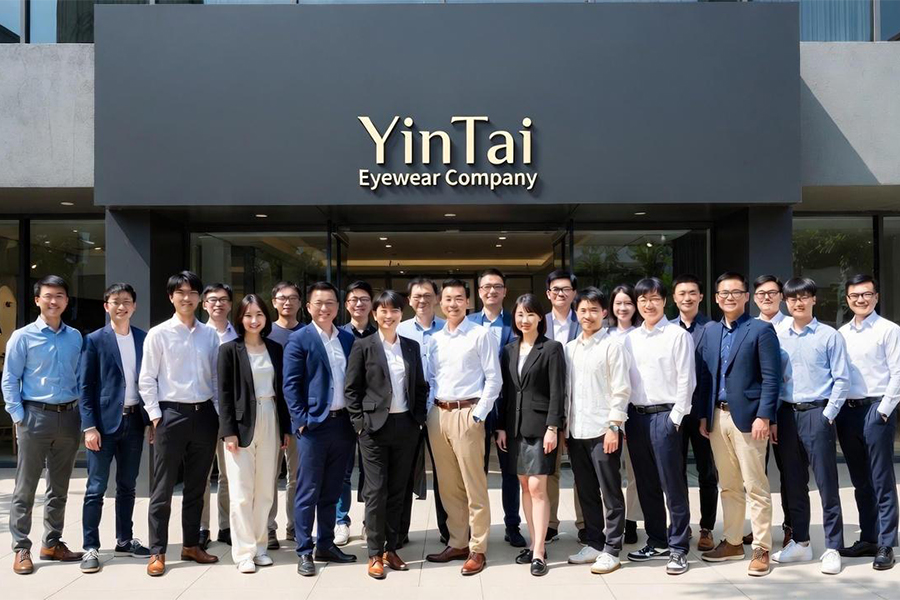
We have over 200 dedicated employees, including a 10-member elite R&D and technical team that continuously drives product innovation and process optimization. From raw material procurement and mold development to finished product assembly, we achieve complete vertical integration across core production processes—translating to controllable costs, faster delivery cycles, and uncompromised quality control.
From conceptual design sketches to high-precision mass manufacturing, our standardized operational procedures guarantee brand exclusivity and flawless optical performance.
Our 10-person engineering team collaborates with client designers to translate aesthetic concepts into high-precision CAD files and SLA 3D physical prototypes within 72 hours, optimizing frame pantoscopic angle and temple ergonomics.
Using multi-axis automated CNC machinery, raw Mazzucchelli cellulose acetate blocks and pure titanium ingots are carved to exact sub-millimeter tolerances, creating distortion-free lens grooves and ultra-durable barrel hinges.
Lenses undergo multi-layer AR anti-blue light coating inside Class 10,000 cleanrooms. Frames undergo 72-hour wooden barrel tumbling polishing, followed by high-precision fiber laser logo engraving on temple cores.
Comprehensive answers to critical technical questions asked by optical brand managers, B2B procurement specialists, and global importers.
Coating-based anti-blue light lenses utilize dielectric vacuum thin-films applied onto the outer lens surface to reflect high-energy visible light. While cost-effective, they often produce a distinct blue/purple reflection on the lens face and can scratch off over time. Substrate-infused blue-cut lenses incorporate light-absorbing monomers directly into the optical resin matrix (e.g., CR-39 or MR-8 polymer). Substrate technology absorbs targeted wavelengths (400-440nm) inside the lens structure, offering permanent protection, zero reflection glare, and superior optical clarity.
Yintai Eyewear maintains a rigorous Total Quality Management (TQM) workflow across three inspection tiers: Incoming Quality Control (IQC) verifies raw acetate blocks and optical lenses for purity and non-toxicity; In-Process Quality Control (IPQC) monitors CNC dimensional accuracy and cleanroom coating thickness; Final Quality Control (FQC) subjects completed batches to spectrophotometer transmission testing, drop-ball impact resistance (ANSI Z80.3), and nickel-release safety checks required by EU CE and RoHS regulations.
Our standard factory MOQ for custom acetate optical frames starts at 300 to 500 units per model (distributable across 2-3 custom colorways). For pure titanium frames, MOQ starts at 300 units per style. Sample prototyping lead time is typically 12 to 15 business days following CAD sign-off, while full mass production runs require 35 to 45 days, backed by our monthly manufacturing capacity of over 20,000 completed units.
High-density cellulose acetate is an eco-friendly, plant-based polymer derived from cotton fibers and wood pulp. Unlike injected plastic (such as PC or basic acrylic), premium acetate offers superior tactile depth, rich multi-tonal color patterning (such as tortoiseshell or translucent champagne), higher structural stability under thermal stress, and cold-bend adjustability at the temple tips for precision custom optometric fitting.
Yes. Our R&D engineering team produces dual-function hybrid lenses that combine monomer blue light absorption with fast-acting photochromic dye molecules. These lenses remain crystal clear indoors while providing 45%+ blue light filtering during screen use, and automatically darken to category 3 solar protection upon UV exposure outdoors.
Browse our full range of certified OEM/ODM optical frames, oversized aviators, vintage round frames, and pure titanium models direct from China suppliers.
 Yintai Eyewear