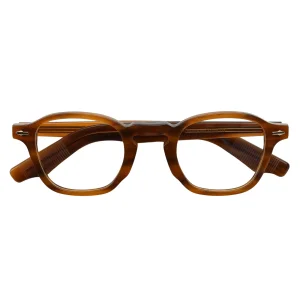
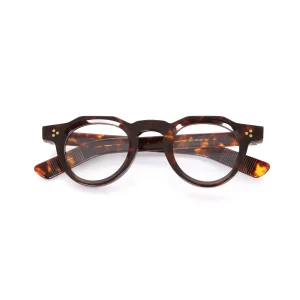
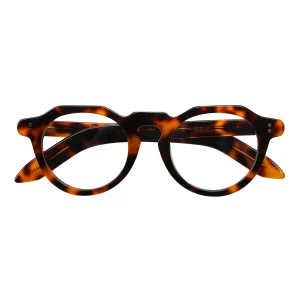
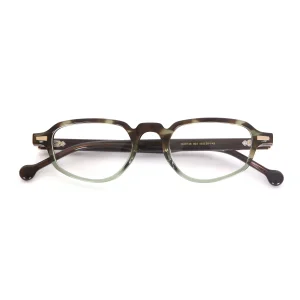
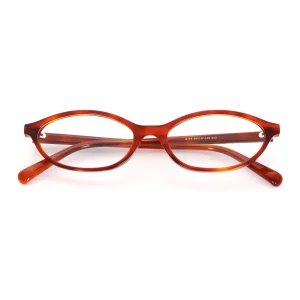
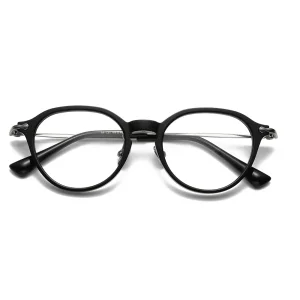
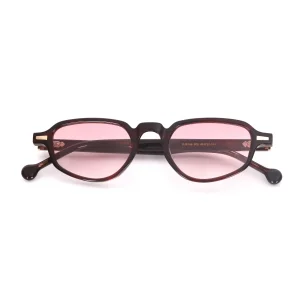
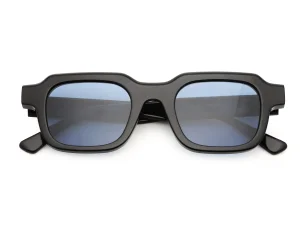
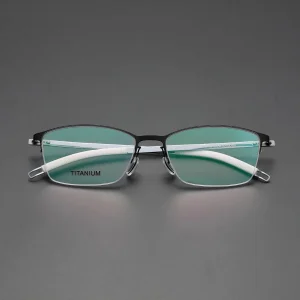
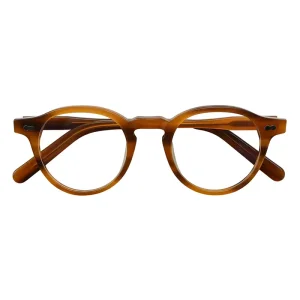
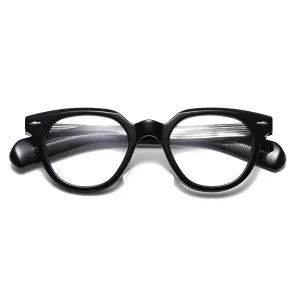
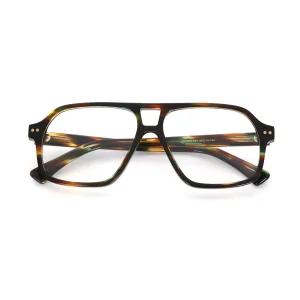
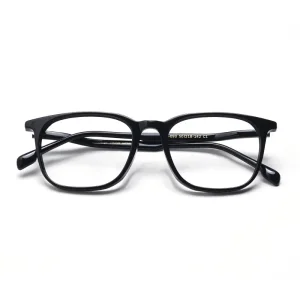
Explore our top-tier CE-certified optical frames, featuring precision-machined pure titanium, resilient beta-titanium, and hand-polished premium acetate combinations engineered for international buyers.
As a verified B2B eyewear OEM/ODM enterprise rooted in Shenzhen's elite optical cluster, we drive efficiency through automated manufacturing pipelines and rigorous quality management.
In modern optometry engineering, titanium frames represent the absolute peak of structural integrity, biocompatibility, and ergonomic comfort. Understanding the fundamental material distinctions between Pure Titanium (Grades 1 through 4) and Beta-Titanium alloys (such as Ti-15V-3Cr-3Sn-3Al) is essential for global eyewear brands, hospital optometry centers, and luxury optical distributors when establishing technical procurement parameters.
| Material Parameter | Pure Titanium (α-phase, Grade 1-2) | Beta-Titanium Alloy (β-phase, Ti-15-3-3) | Standard Nickel Alloy (Monel / Memory Steel) |
|---|---|---|---|
| Density (g/cm³) | 4.51 g/cm³ (40% lighter than steel) | 4.72 g/cm³ | 8.80 g/cm³ |
| Tensile Strength (MPa) | 240 – 480 MPa | 880 – 1250 MPa (High Elastic Recovery) | 350 – 550 MPa |
| Flexural Elasticity Index | Moderate (Structural Rigidity) | Ultra-High (Spring Memory Temple Action) | Low - Prone to permanent deformation |
| Biocompatibility (Hypoallergenic) | 100% Biocompatible (ISO 10993 zero reaction) | 100% Nickel-Free Hypoallergenic | High risk of Nickel Dermatitis allergies |
| Corrosion Resistance | Immune to sweat, salt water & skin acids | Superior passivation coating protection | Oxidizes, green patina buildup over time |
Composed of over 99% pure elemental titanium, pure titanium rim wires and bridge components exhibit an unparalleled strength-to-weight ratio. Weighing as little as 10 to 15 grams per frame, they eliminate nose-bridge pressure, preventing tissue indentation during extended wear.
By alloying pure titanium with vanadium, chromium, and aluminum, Beta-Titanium creates a lattice structure capable of extreme elastic bending without plastic deformation. Ideal for ultra-thin 0.8mm temples that dynamically wrap around the human skull comfortably.
Contact dermatitis induced by nickel ions is a major regulatory concern in Western optical markets. Titanium immediately forms a stable passive oxide film (TiO2) when exposed to oxygen, creating an absolute bio-barrier against human perspiration and skin oils.
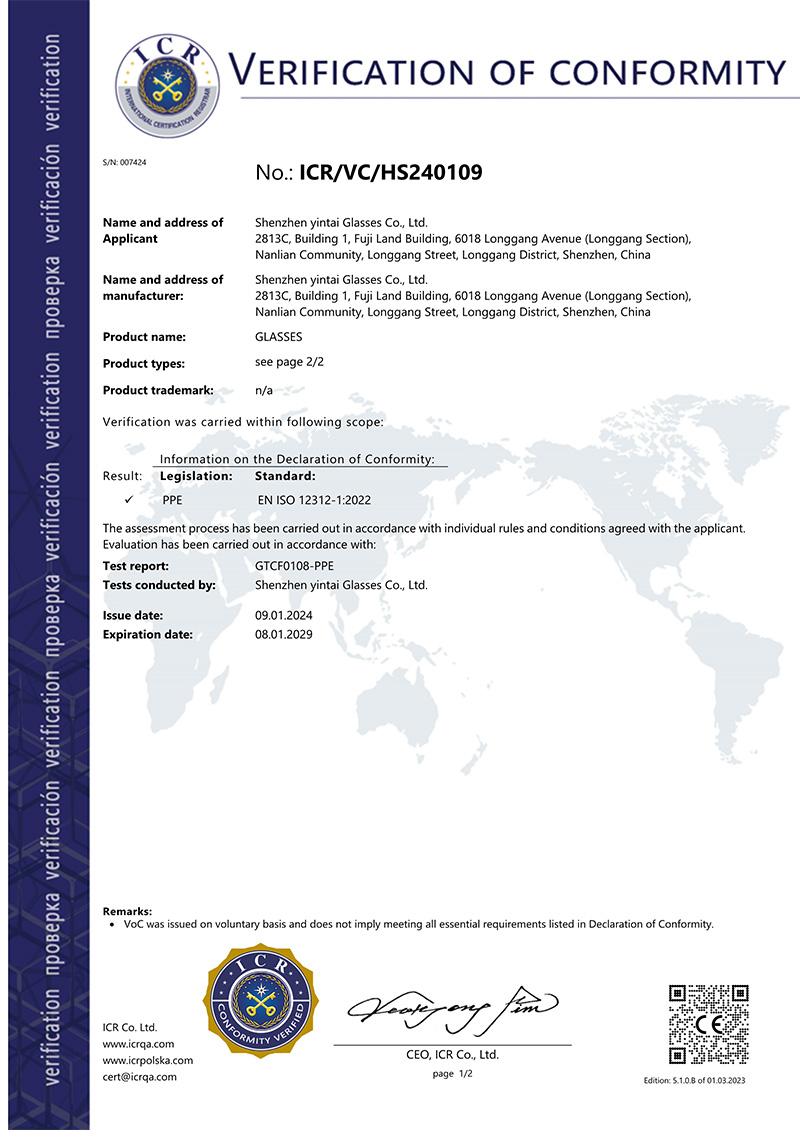
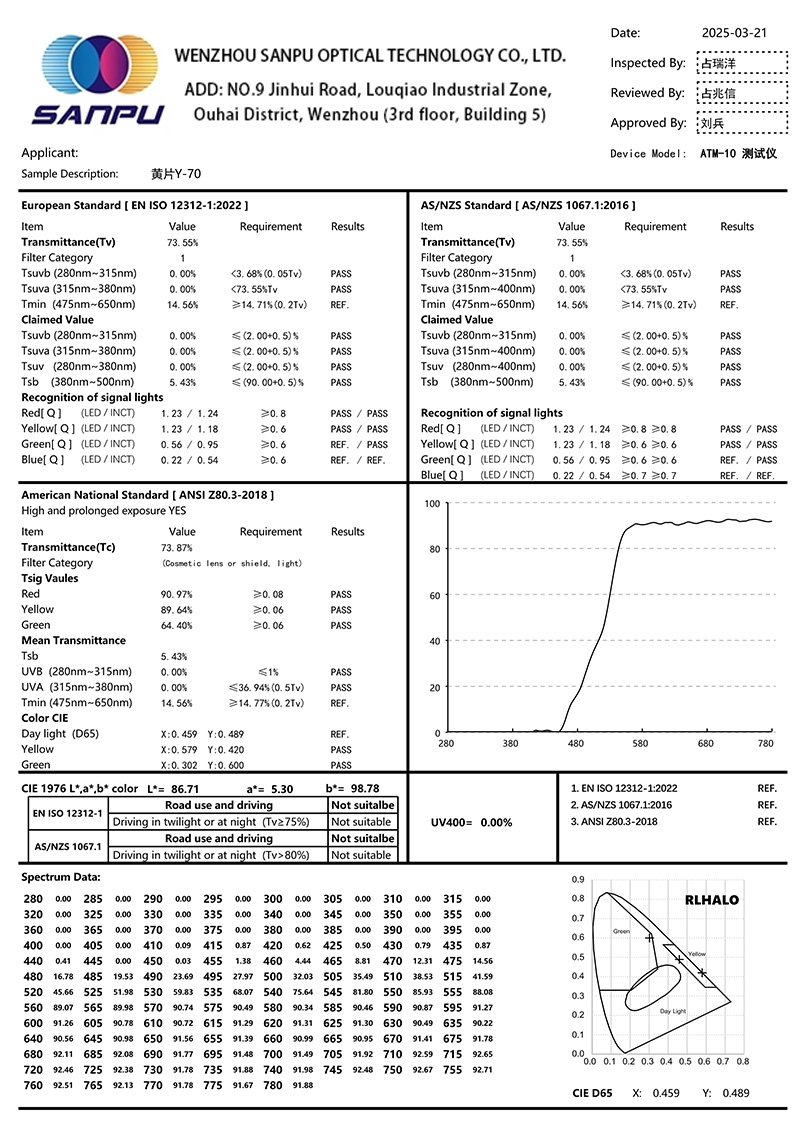
Selling prescription optical frames and sunglasses in the European Economic Area (EEA) requires strict adherence to mandatory health, safety, and environmental protection standards. Under the EU Medical Devices Regulation (MDR 2017/745), spectacle frames are categorized as Class I Medical Devices, requiring complete technical documentation, full supply chain traceability, and strict compliance tests.
Specifies fundamental requirements for unmounted spectacle frames. Includes mechanical strength testing, endurance to flexure (5000 cycles without structural fatigue), bridge deformation tolerance, and flame resistance testing.
Covers biological evaluation of medical devices. Titanium frames undergo rigorous testing for cytotoxicity (ISO 10993-5) and intracutaneous reactivity (ISO 10993-10) to guarantee zero skin inflammation.
Direct skin contact components must pass extended synthetic sweat immersion tests. Pure titanium guarantees nickel ion release rates below 0.05 μg/cm²/week, well within stringent EU safety thresholds.
Restricts hazardous substances in frame coatings, nose pads, and temple tips. Ensures zero lead, mercury, cadmium, hexavalent chromium, or polybrominated biphenyls are used in electroplating or IP vacuum processes.
Yintai Eyewear is a premier manufacturer based in Shenzhen, Guangdong Province, China—the global epicenter of high-end optical engineering. Over 15 years of dedicated development, we have evolved into a modern enterprise seamlessly integrating advanced technological R&D, precision CNC micro-machining, and global supply chain fulfillment.
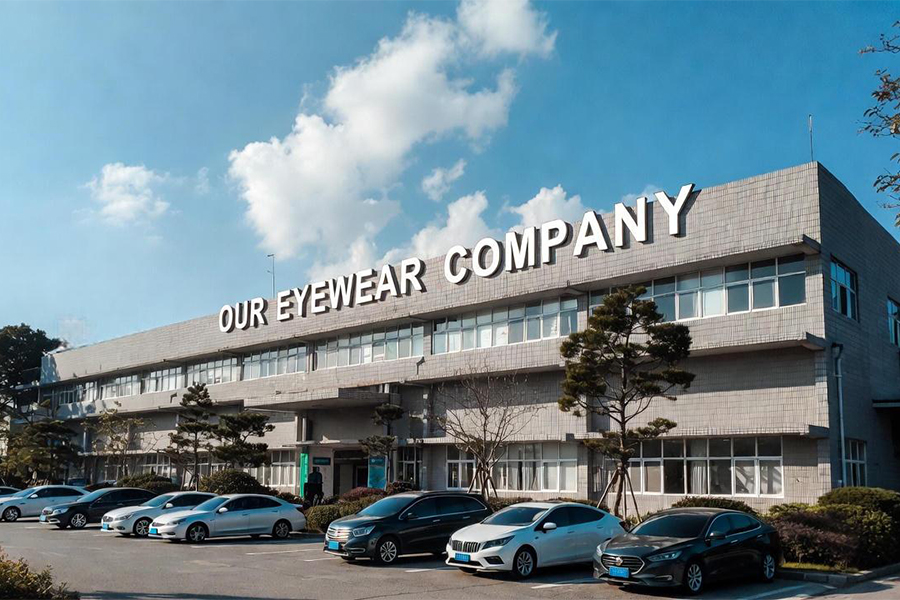
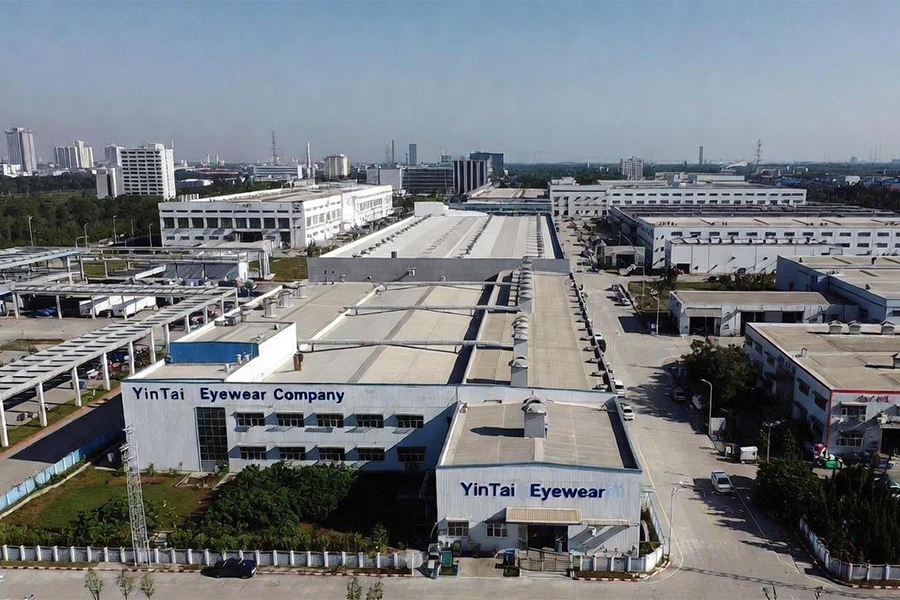
Located in the industrial park at Fuji Land Building, our facility spans over 5,000 square meters of modern operational space. It features fully automated production lines, CNC machining centers, and Class 10,000 cleanrooms to ensure production stability and zero-defect consistency.
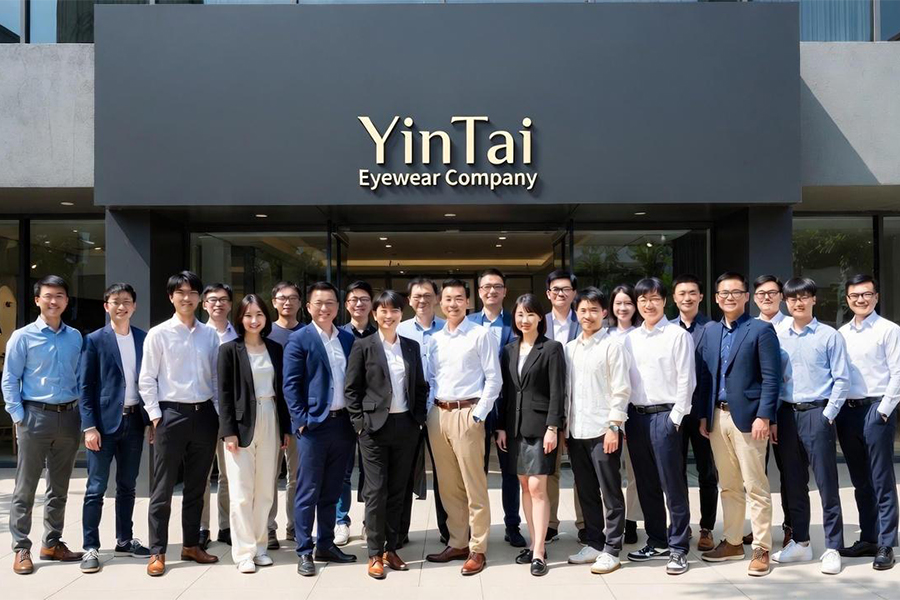
Powered by over 200 full-time employees, including a dedicated 10-member elite technical and design team. We drive rapid 3D prototyping, CAD rim profiling, and custom mold construction tailored to private label brand requests.
From pure titanium raw material sourcing, automated CNC wire bending, and laser micro-welding, to vacuum IP plating and hand-assembly—our vertical integration keeps costs competitive, speeds up lead times, and maintains control over quality.
The premium optical market is shifting towards ultra-lightweight structural ergonomics, eco-friendly surface treatments, and hybrid structural combinations. Manufacturers who integrate advanced material engineering with smart manufacturing are redefining expectations for wholesale buyers worldwide.
Traditional wet electroplating is rapidly being phased out due to strict environmental controls and limited color longevity. IP (Ion Plating) vacuum deposition binds metallic titanium and ceramic color particles directly at the molecular level, delivering superior scratch resistance and vibrant color finishes like Rose Gold, Satin Black, Gunmetal, and Chrome.
As augmented reality (AR) and smart audio glasses gain market traction, traditional plastic frames struggle with heat dissipation and structural stability. CNC-milled Beta-titanium frames serve as an ideal lightweight, heat-conductive chassis for integrating micro-electronics without sacrificing style.
Combining the warmth, rich color patterns, and vintage appeal of Italian Mazzucchelli acetate with structural titanium chassis bridges and temples delivers a timeless aesthetic. It creates a robust, high-margin product tailored for high-end boutique optical retailers.
To serve international optical groups, chain stores, and independent optical brands, Yintai Eyewear operates a streamlined 6-stage turnkey OEM/ODM production process. This workflow enforces rigorous quality checks from raw material inspection through final shipment packaging.
Our 10-person R&D team reviews your technical drawings or reference samples. We prepare 2D rim layouts and 3D CAD modeling within 24–48 hours, optimizing weight balance, lens groove depths, and hinge assembly stress points.
Using precision CNC prototype cutters, we craft physical metal samples within 10 to 15 days. This step allows buyers to verify physical fit, pantoscopic angle, bridge alignment, and surface plating quality before full batch production.
Every batch of raw titanium wire, beta-titanium sheet metal, and German OBE hinges undergoes strict Incoming Quality Control (IQC). Spectrometer testing ensures exact alloy purities and 100% compliance with non-toxic standards.
Titanium components are machined in our automated multi-axis CNC centers. High-frequency micro laser welding joins bridges and endpieces with extreme accuracy, creating smooth, virtually seamless connection points.
Frames undergo multi-stage ultrasonic cleaning to remove grease before entering IP vacuum chambers. Custom finishes—from high-gloss electro-polishing and hand-brushed vintage textures to matte PVD colors—are applied for maximum durability.
Finished frames undergo 100% Final Quality Control (FQC): temple alignment checking, 5,000-cycle hinge endurance testing, salt-spray corrosion tests, drop-ball impact tests, and custom laser branding before secure global dispatch.
Titanium spectacle frames cater to distinct consumer segments and professional environments across global markets. Understanding these usage applications allows brand buyers and chain store procurement teams to curate targeted product collections.
Sleek rimless and semi-rimless pure titanium frames designed for corporate professionals seeking understated elegance, minimal weight during long meetings, and clean geometric profiles.
Rigid pure titanium bridges maintain fixed interpupillary distances (PD) and pantoscopic tilt angles essential for complex progressive addition lenses (PAL) and high-diopter prescription prescriptions.
Beta-titanium spring-temple designs provide flexible shape memory, retaining tight grip without pressure points during active motion, outdoor sports, or extended daily wear.
Specially engineered for end-users sensitive to base-metal alloys, copper, or nickel. Recommended by dermatologists and clinical optometrists across North America and Western Europe.
Get quick, detailed answers to technical and purchasing questions frequently asked by optical importers, brand managers, and B2B buyers.
Browse the remaining styles in our catalog, featuring specialized polarized sunglasses, vintage cat-eye frames, ultra-light rimless titanium, and bold hand-polished acetate optical glasses.
 Yintai Eyewear