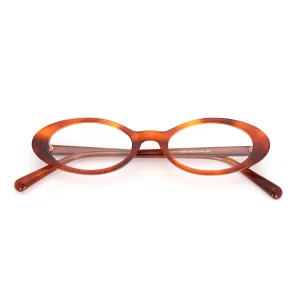
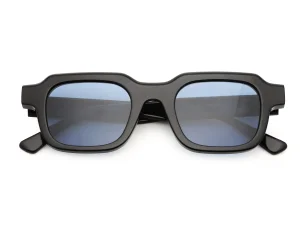
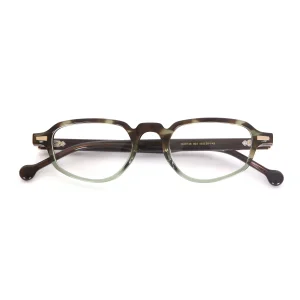
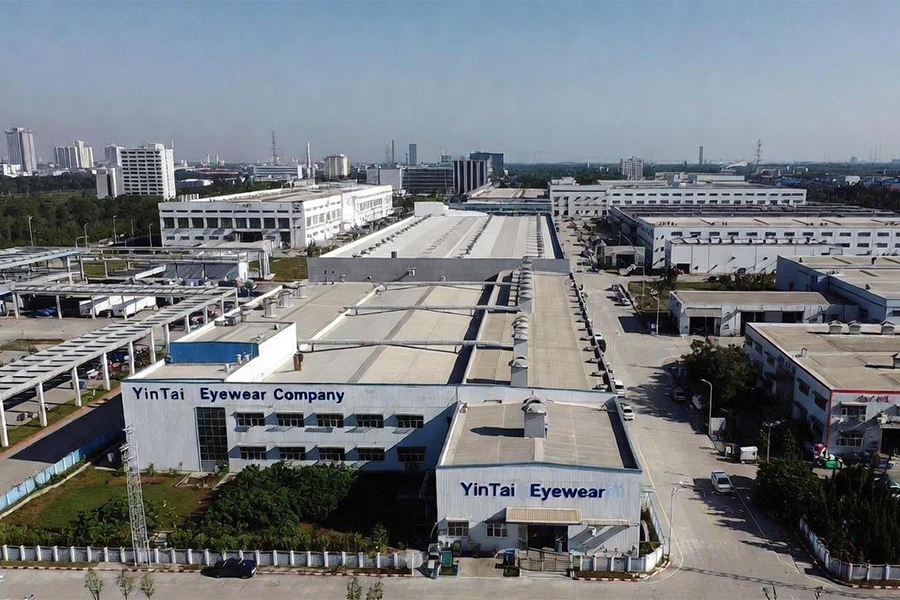
Yintai Eyewear is a premier optical manufacturer based in Shenzhen, Guangdong Province, China. Over 15 years of dedicated technical evolution, the enterprise has established a vertically integrated manufacturing ecosystem covering optical R&D, structural mold design, high-precision CNC polymer machining, cleanroom vacuum coating, and global compliance testing.
Located in the Fuji Land Building Industrial Park, our plant houses fully automated production lines, 5-axis CNC machining centers, and Class 10,000 cleanrooms for vacuum lens coating and dust-free assembly.
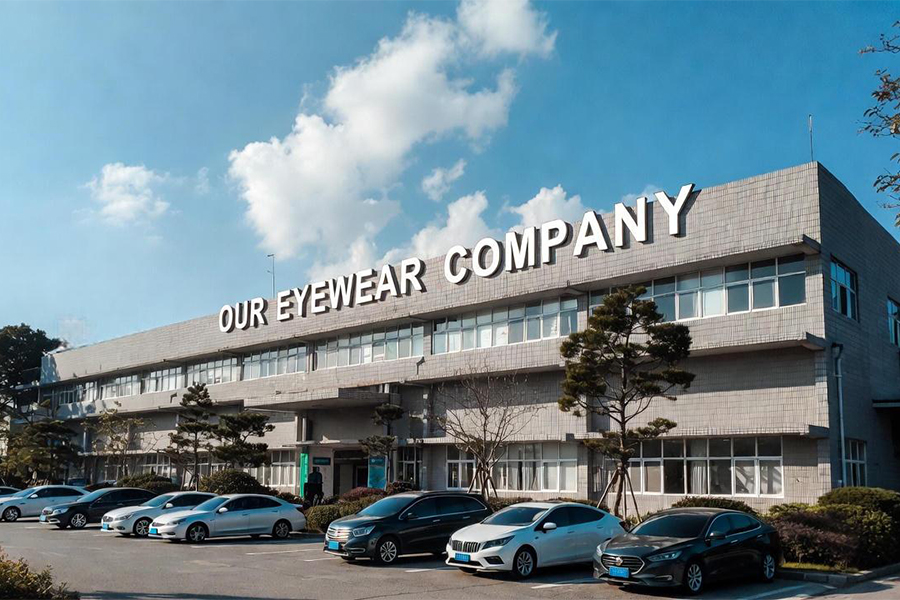
Our workforce exceeds 200 dedicated staff, supported by a 10-member senior optical & mechanical R&D engineering division specialized in ray-tracing simulation, coating durability, and ergonomic frame physics.
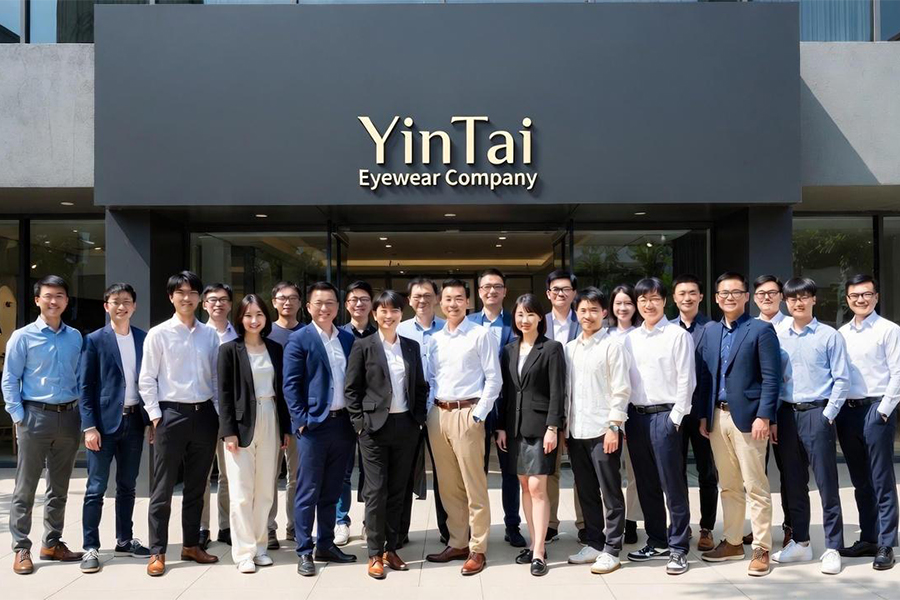
From raw optical monomer procurement and mold development to multi-layer AR coating and packaging, internal integration yields strict cost containment, faster prototyping, and reliable delivery cycles.
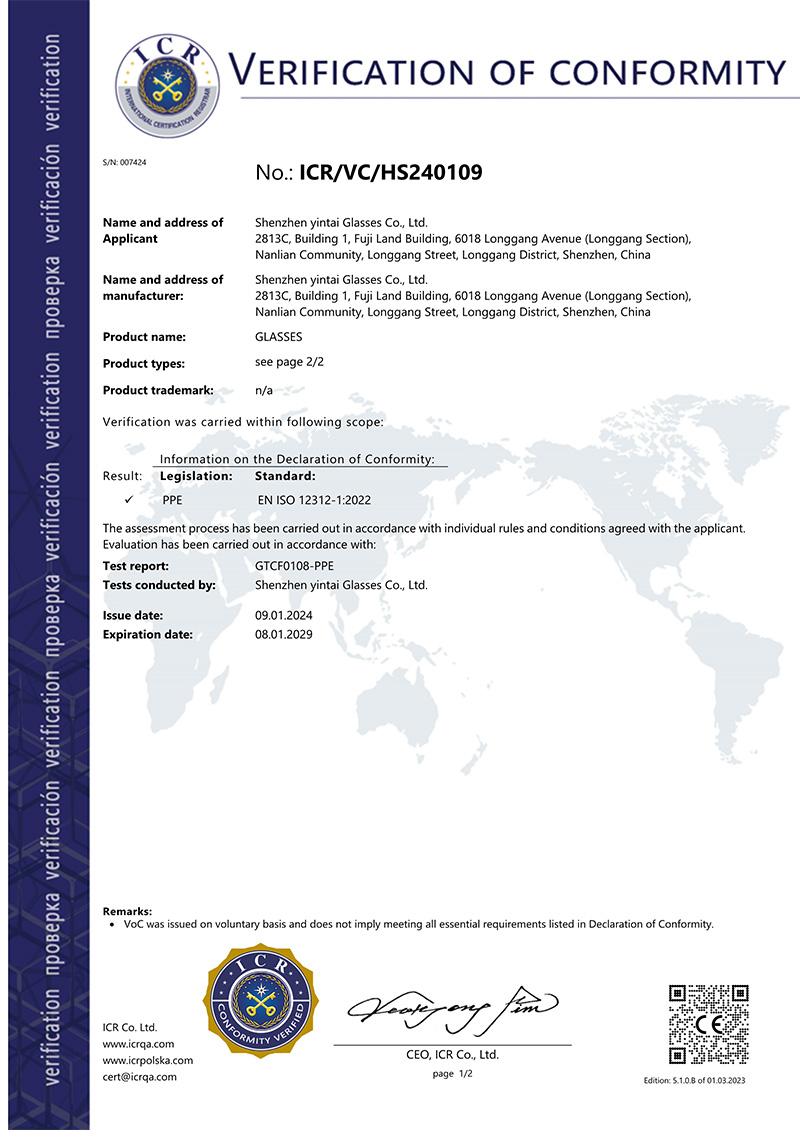
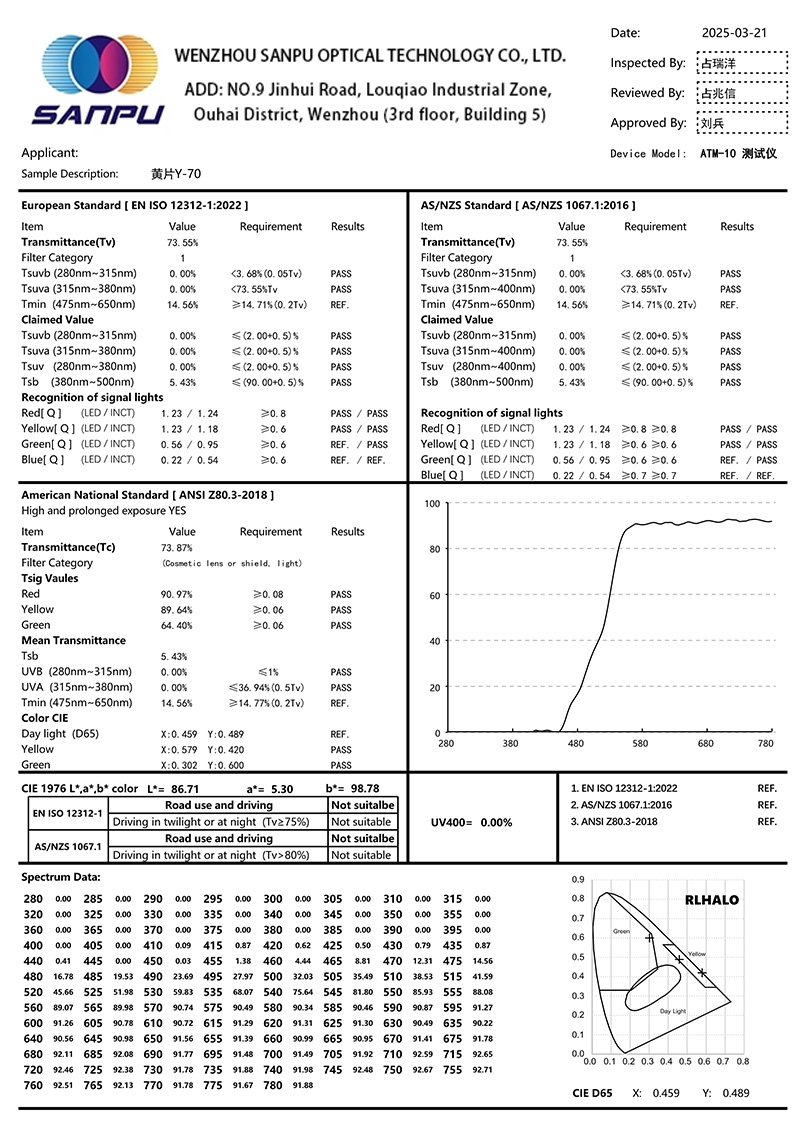
In global trade, securing CE certification for sunglasses lenses is not merely a administrative checkbox—it represents a comprehensive engineering audit under EN ISO 12312-1:2013/A1:2015 (Eye and face protection — Sunglasses and related eyewear). Sunglasses lenses imported into the European Economic Area (EEA) must demonstrate precise solar radiation filtering, mechanical resilience, and absolute freedom from optical distortion.
Optical lens performance is classified into 5 distinct filter categories based on visual light transmittance (VLT, % τv). Yintai Eyewear calibrates lens tinting and vacuum deposition processes to align with exact spectral boundaries:
| Category | Visual Transmittance (VLT) | Description / Typical Solar Lighting Environment | Primary Lens Application |
|---|---|---|---|
| Category 0 | 80% – 100% | Very low sun glare / Indoor or overcast conditions | Clear fashion frames, night-driving optical safety lenses |
| Category 1 | 43% – 80% | Weak sun glare / Soft sunlight in urban spaces | Lightly tinted fashion lenses, yellow contrast enhancers |
| Category 2 | 18% – 43% | Medium sun glare / Standard daylight exposure | Everyday urban sunglasses, gradient fashion eyewear |
| Category 3 | 8% – 18% | Strong sun glare / High glare over water, open fields, beach | High-performance sun lenses, outdoor sports, drivers |
| Category 4 | 3% – 8% | Exceptional sun glare / High alpine, glaciers, marine navigation | Mountaineering lenses (Not suitable for driving) |
The human eye is susceptible to acute and chronic phototoxic damage caused by ultraviolet radiation. Solar UV consists of UVA (315–400 nm) and UVB (280–315 nm). True CE-certified lenses manufactured by Yintai integrate organic UV absorbers directly into the polymer matrix (e.g., Polycarbonate, TAC, or Nylon resin) rather than relying on superficial dip coatings that degrade over time.
This guarantees that maximum solar spectrum transmittance below 400nm does not exceed 0.5%, exceeding basic regulatory requirements and guarding against photokeratitis, pterygium, and long-term retinal degradation.
To pass CE standards alongside US FDA requirements (21 CFR 801.410 drop ball test), sunglasses lenses undergo severe impact testing. A 16g steel ball dropped from a height of 1.27 meters onto the lens center must not fracture or fragment the substrate. Yintai’s high-grade Tri-Acetate Cellulose (TAC) and polyamide nylon lenses feature enhanced molecular cross-linking, absorbing focal impact energies and preventing secondary facial trauma during physical activities.
In an era defined by supply chain volatile lead times and shifting trade dynamics, Yintai Eyewear’s Shenzhen manufacturing base offers global importers, optical distributors, and fashion brands a highly resilient, cost-optimized manufacturing anchor.
Direct supply contracts with premium raw material providers (Mazzucchelli 1849, Eastmam Cellulose Acetate, Mitsubishi Chemical Polycarbonate) safeguard raw material quality while reducing material cost volatility by up to 15%.
Utilizing high-speed 5-axis CNC machining, our R&D hub converts client 3D CAD files into physical master prototypes within 72 hours, drastically reducing time-to-market for modern trend-driven eyewear collections.
Every batch undergoes IQC (Incoming Quality Control), IPQC (In-Process Quality Control during edging and coating), and FQC (Final Quality Control for optical alignment and cosmetic purity), keeping defects under 1%.
With an operational floor area exceeding 5,000 square meters and a monthly production capacity reaching over 20,000 units, Yintai Eyewear accommodates both boutique luxury optical lines requiring low MOQs and large multinational retail chains requiring high-volume manufacturing with automated delivery scheduling.
Selecting the optimal lens substrate determines the visual clarity, weight, impact resistance, and coating compatibility of the final product. Below is an engineering comparison matrix designed to guide procurement directors and product developers:
| Substrate Material | Refractive Index (nd) | Abbe Value (Vd) | Impact Resistance | Primary Engineering Advantage |
|---|---|---|---|---|
| TAC (Tri-Acetate Cellulose) | 1.49 – 1.50 | 56 | Moderate | Ideal for multi-layer polarized films; light weight, highly cost-effective. |
| Polyamide (Nylon) | 1.53 | 52 | Extremely High | Zero internal stress, crystal optical clarity, supreme chemical resistance to solvents. |
| Polycarbonate (PC) | 1.59 | 30 | Maximum (Shatterproof) | Highest physical impact protection; essential for sports and safety glasses. |
| CR-39 (Allyl Diglycol Carbonate) | 1.50 | 58 | Standard | Superior optical acuity, minimal chromatic aberration, excellent tint dye acceptance. |
| Photochromic Smart Lens | 1.50 – 1.56 | 50 – 54 | High | Dynamic optical density adjustment based on ambient UV intensity. |
Requirement: Category 4 VLT (3-8%) with 100% UV400 blocking and anti-fog inner vacuum coatings.
High altitude environments expose eyes to intense UV reflected off snow. Yintai’s Category 4 dark-tinted nylon lenses eliminate blind spots and protect against high-altitude keratitis.
Requirement: >99% Polarization efficiency, Hydrophobic AR coating, Corrosion-resistant frame hardware.
Water glare creates blinding horizontal polarization vectors. Our 7-layer polarized TAC lenses eliminate harsh surface reflections, allowing clear vision below the water surface.
Requirement: Non-polarized Category 2/3 lenses with anti-reflective backing and color fidelity.
Polarized lenses can interfere with modern digital LCD cockpit displays. Yintai delivers precision-tinted non-polarized CR-39 and Nylon lenses engineered specifically for pilots and modern auto drivers.
Requirement: Custom gradient tints, subtle flash mirror coatings, ultra-light rimless titanium matching.
Matching high-fashion aesthetics with certified eye protection. Custom color matching via Pantone systems ensures brand continuity for boutique global fashion labels.
Navigating global regulatory landscapes requires stringent product documentation. Yintai Eyewear supports B2B partners by offering complete technical compliance dossiers for seamless customs clearance and retail distribution:
Full Declaration of Conformity (DoC), technical file assembly, EU-representative documentation, and EN ISO 12312-1 spectral test reports from accredited third-party laboratories (SGS, TUV, Intertek).
FDA Device Registration, Impact Resistance Drop Ball Certification (21 CFR 801.410), and ANSI Z80.3 non-prescription sunglass compliance for American retail import.
Specialized Category 3 & 4 testing compliant with extreme UV levels in Oceania, satisfying mandatory AS/NZS 1067.1 consumer safety standards.
 Yintai Eyewear