Explore high-performance OEM/ODM photochromic sunglasses and vintage optical frames manufactured strictly under European Conformity (CE) and global safety frameworks.
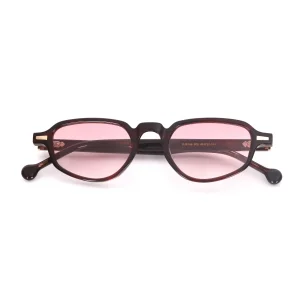
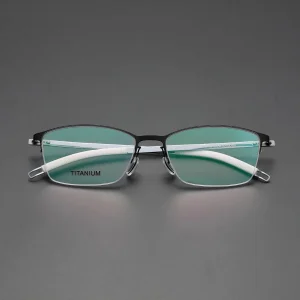
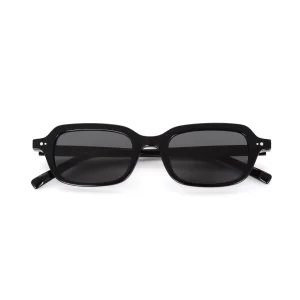
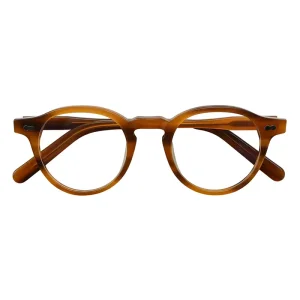
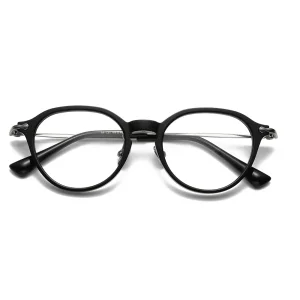
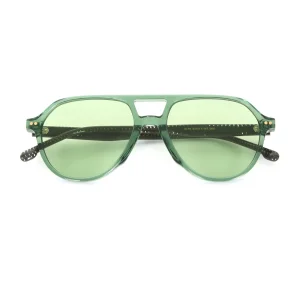
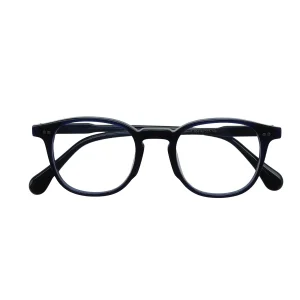
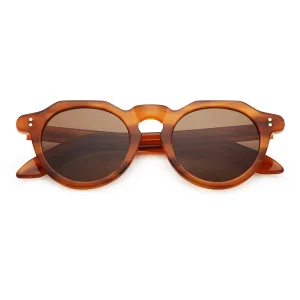
Analyzing shifting buyer behaviors, light-adaptive optical technologies, and supply chain standards for B2B distributors.
The global protective eyewear landscape is undergoing a structural transformation. Photochromic sunglasses—traditionally viewed as niche optical medical devices—have rapidly transitioned into mainstream high-performance lifestyle, sports, and fashion commodities. Driven by heightening consumer awareness regarding chronic Ultraviolet (UV-A/UV-B) degradation, high-energy visible (HEV) blue light, and digital eye strain, global procurement demands for dynamic photochromic solutions have reached an unprecedented surge across North America, Europe, and the Asia-Pacific regions.
Modern B2B importers no longer evaluate photochromic sunglasses solely on frame aesthetics or initial unit cost. Modern semantic search and user intent data indicate that procurement directors focus heavily on three technical KPIs: (1) Rapid light-to-dark photochromic transition speed (<30 seconds under 365nm UV exposure), (2) High dynamic range contrast retention with full optical clarity indoors (Transmittance >88%), and (3) Full regulatory compliance under European Personal Protective Equipment (PPE) Regulation (EU) 2016/425.
Historically, consumers were forced to carry multiple pairs of glasses—one clear optical frame for indoor desk work and another tinted polarized sunglass for driving or outdoor activities. Modern photochromic polymer technologies eliminate this friction. By embedding light-sensitive organic dyes (such as naphthopyrans and oxazines) directly into polymer substrates like TAC (Triacetate Cellulose), Nylon, and Polycarbonate, contemporary lenses adapt smoothly across Category 0 (clear indoors) to Category 3 (dark outdoors) optical densities.
Manufacturing methodology dictates long-term product durability and optical performance. Sourcing directors must understand the technical distinction between two core production routes utilized by high-end OEM suppliers:
Navigating EU Regulation 2016/425, EN ISO 12312-1 Standards, and Quality Auditing Protocols for International Customs & Market Acceptance.
For international buyers, brands, and importers sourcing from overseas manufacturing hubs, verification of authentic regulatory compliance is the foundational pillar of risk management. Mislabeling or failure to meet mandatory European standards results in immediate customs impoundment, severe financial penalties, and irreversible brand damage.
To legally display the CE Mark and enter the European Single Market, photochromic sunglasses must pass rigorous empirical laboratory testing dictated by EN ISO 12312-1:2013 / A1:2015 (Eye and face protection - Sunglasses and related eyewear). Below are the imperative technical checkpoints required during industrial manufacturing:
| Compliance Parameter | EN ISO 12312-1 Technical Requirement | Yintai Eyewear OEM Specification | Validation Protocol |
|---|---|---|---|
| UV Transmittance (280-400nm) | < 1.0% UV-V (280-315nm) & < 0.5% Solar UV-A | 0.0% Pass (Complete UV400 Protection) | Spectrophotometer Scan (ISO 12311) |
| Luminous Transmittance (Tv) | Dynamic range across Cat 0 (80-100%) to Cat 3 (8-18%) | Dynamic Shift: 89% (Clear) down to 11% (Activated) | Controlled Solar Simulator at 23°C |
| Refractive & Optical Power | Spherical/Astigmatic refractive power error < 0.09 m⁻¹ | < 0.03 m⁻¹ Zero Distortion Precision | Focimeter / Optical Alignment Bench |
| Impact Resistance (Mechanical) | Minimum Robustness: Steel ball drop test (43g at 5.1 m/s) | Enhanced High-Velocity Impact Resistant (FDA / CE) | Drop-Ball Impact Testing Rig |
| Chemical Safety & Biocompatibility | Nickel Release < 0.5 µg/cm²/week (EN 16128); REACH / RoHS | 100% Non-toxic, Hypoallergenic Acetate & Titanium | ICP-MS Chemical Spectrometry Analysis |
Beyond optical performance, the physical frame construction must undergo rigorous stress testing. Acetate frames derived from natural cotton fibers must demonstrate thermal resistance (preventing frame warping up to 60°C) and sweat resistance to prevent surface degradation or skin irritation during extended wear.
Integrating 15 years of precision engineering, vertical industrial integration, and cleanroom automation in Shenzhen, China.
Yintai Eyewear is a premier manufacturer based in Shenzhen, Guangdong Province, China, specializing in high-end optical frame and sunwear production. After 15 years of dedicated development, we have evolved into a modern enterprise integrating technological R&D, precision manufacturing, and global enterprise sales.
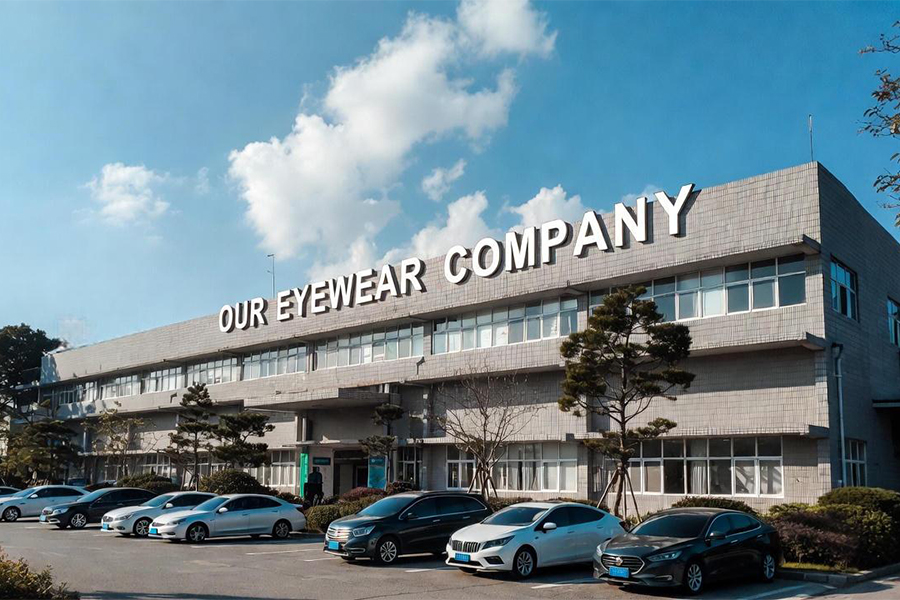
Located in the industrial park at Fuji Land Building, equipped with: fully automated production lines, CNC machining centers, Class 10,000 cleanrooms, and more, ensuring both stable production capacity and consistent optical quality.
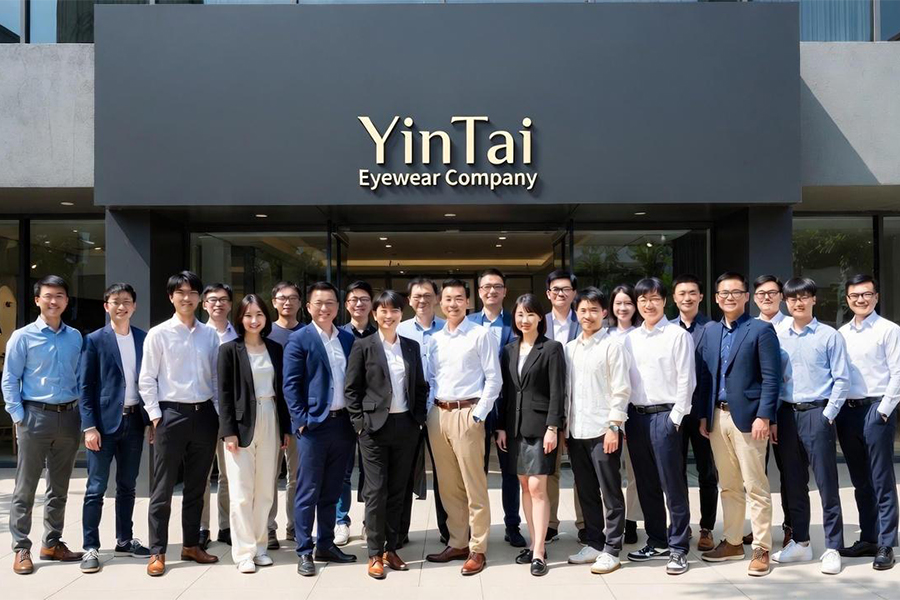
We have over 200 dedicated employees, including a 10-member elite R&D and technical engineering team that continuously drives product innovation, chemical formula optimization, and structural design breakthroughs.
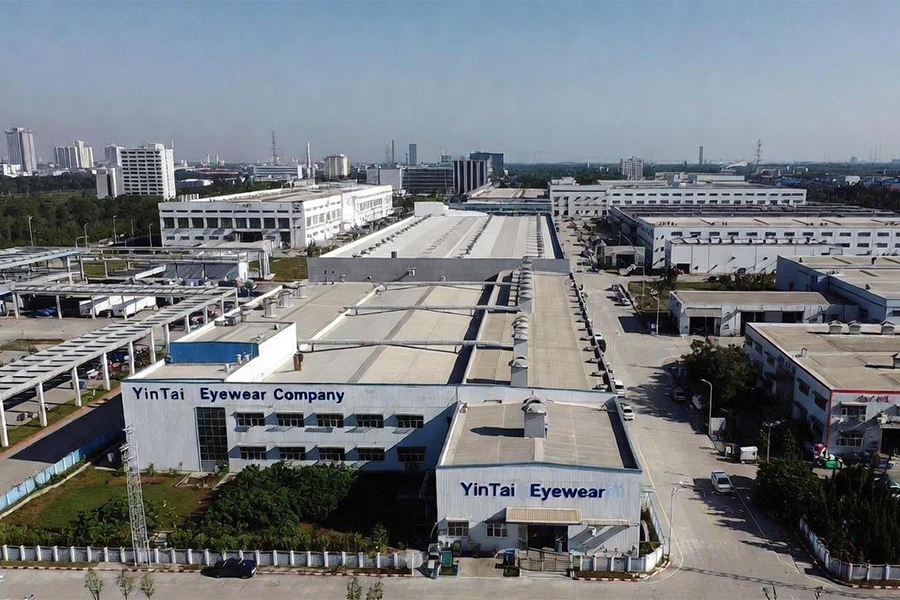
From raw material procurement and mold tooling development to finished product assembly, we achieve complete vertical integration across core production processes. This translates to controllable costs, rapid prototyping, and faster delivery cycles.
★ International Compliance: Fully certified under ISO9001 quality management, CE European conformity, RoHS environmental standard, and FDA registration.
★ Rigorous QC Matrix: Multi-stage verification executing IQC (Incoming), IPQC (In-Process), and FQC (Final) protocols to guarantee a 99% product qualification yield rate.
★ 15 Years Mastery: Deep technical experience in crafting premium Japanese Mazzucchelli-level Cellulose Acetate, 100% Pure Beta Titanium, and ultralight 15g frames.
★ Technical Team: 10-person dedicated R&D engineers providing custom 3D CAD modeling, rapid physical sampling, and bespoke lens dye formulation.
★ Prompt Communication: Multilingual sales engineers guarantee comprehensive responses to RFQs within 24 hours.
★ Turnkey OEM/ODM: End-to-end management spanning custom branding, specialized packaging, compliance documentation, and worldwide air/sea logistics.
Next-Generation Photochromic Molecular Engineering, Smart Blue-Light Filtering, and Eco-Friendly Acetate Materials.
The fast-paced evolution of optical materials science is redefining expectations for photochromic eyewear. As a leading manufacturer, Yintai Eyewear continuously invests in R&D to pioneer technical breakthroughs that empower global distributors to maintain a sharp market advantage.
Historically, the primary consumer complaint regarding photochromic lenses was slow clear-state recovery (fading back indoors), taking up to 5 to 8 minutes. Our advanced matrix chemistry utilizes low-viscosity organic molecular structures that allow rapid isomer reversion. Current R&D batches achieve a 50% bleaching recovery within 60 seconds, with complete optical transparency restored in under 2.5 minutes upon moving indoors.
Conventional photochromic dye reactions are thermally sensitive; higher ambient temperatures cause photo-molecules to revert to their uncolored state rapidly, reducing max darkness on hot summer days. Yintai's third-generation matrix dyes incorporate thermal-stabilization polymers, maintaining consistent Category 3 tint darkness (12% transmittance) even in extreme ambient temperatures exceeding 35°C (95°F).
Modern consumers are immersed in digital environments while remaining exposed to intense solar radiation outdoors. Our photochromic lenses integrate dual-purpose molecular absorbers that filter 100% of UV rays up to 400nm while continuously attenuating high-energy visible blue light (415-455nm) by over 45% in clear indoor state and over 85% in activated outdoor state.
In line with global ESG (Environmental, Social, and Governance) imperatives, our manufacturing lines have introduced Eco-Friendly Bio-Acetate (derived from renewable wood pulp and plant-based plasticizers, completely free of phthalates) and ultra-recyclable Grade 5 Pure Titanium frames. This ensures that environmental compliance aligns perfectly with luxury-grade durability.
Tailored OEM/ODM branding options for private label eyewear brands, optical chains, and global wholesalers.
Select from over 500+ custom acetate colorways (tortoiseshell, crystal clear, gradient tints), physical surface finishes (hand-carved titanium details, matte vs. high-gloss polishing), and specialized lens coatings (hydrophobic, anti-reflective green/blue AR, scratch-resistant hard-coat).
Complete brand identity integration including high-precision laser-engraved temple logos, custom metallic wire core inserts, branded nose pads, custom foil-stamped leather case sets, and retail-ready barcode packaging compliant with global EDI standards.
Supporting emerging and established brands alike with flexible minimum order quantities, 3D rapid prototyping within 7 days, pre-production sample approval workflows, and guaranteed on-time shipment SLAs backed by full vertical factory integration.
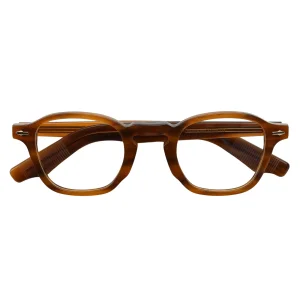
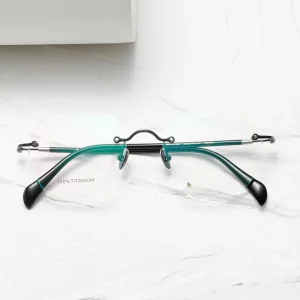
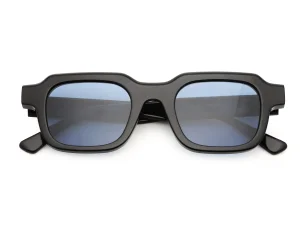
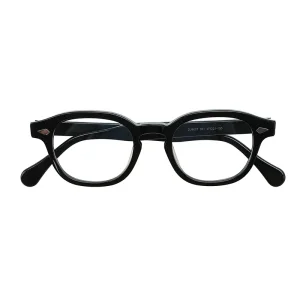
Explore our extended line of precision-engineered acetate frames, pure titanium optics, and pilot sunwear designed for global enterprise procurement.
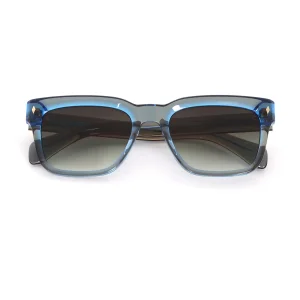
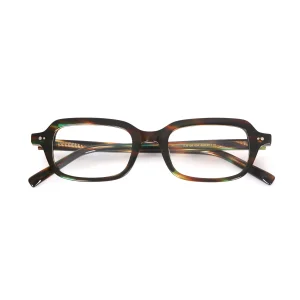
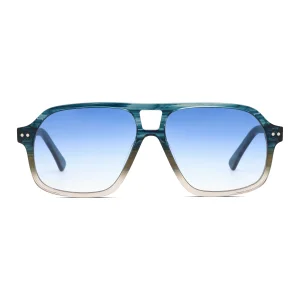
Addressing essential technical, compliance, and OEM operational queries from global optical buyers.
 Yintai Eyewear