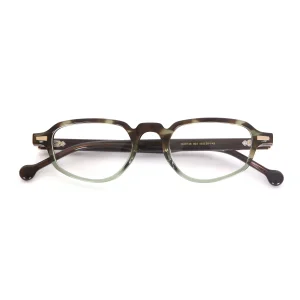
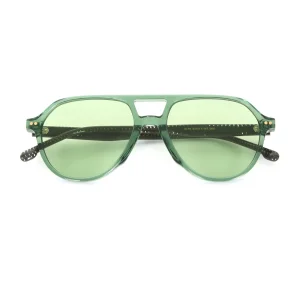
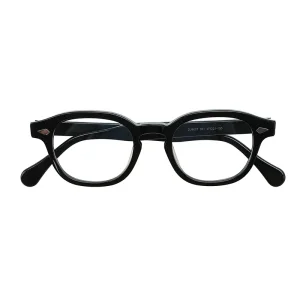
Explore our CE compliant, precision-engineered optical frames engineered for optimized ergonomic stability and narrow facial contours.
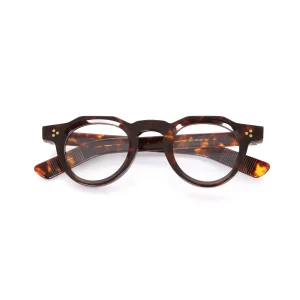
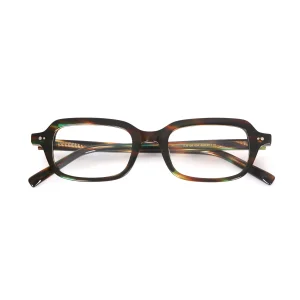
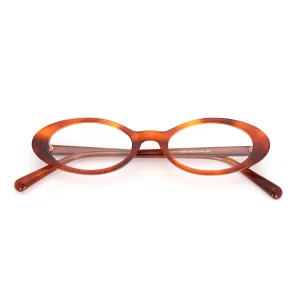
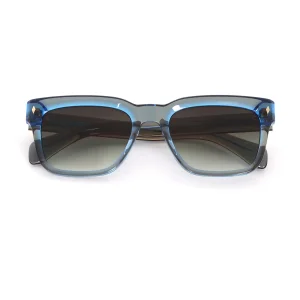
Addressing the shifting paradigm in global optical procurement, demographic dimensional shifts, and high-precision narrow frame requirements.
For decades, global optical frame manufacturing heavily prioritized standard adult sizing (lens widths between 52mm to 56mm). However, modern anthropometric studies reveal a massive market gap: approximately 28% of global adult optical consumers require narrow bridge spans and reduced eye sizes (typically 46mm to 50mm) to achieve optimal optical alignment. Petite eyeglass frames are no longer a niche sub-category; they represent a essential segment driving high customer retention across North American, European, and East Asian markets.
International eyewear distributors and optical retail chains face persistent challenges in securing stable, certified suppliers for petite frames. Traditional mass-production lines often struggle to scale down hinge hardware, adjust temple tensioning, and maintain structural integrity on thinner bridge geometries. Enterprise buyers require manufacturing partners capable of combining micromachining precision with certified raw materials, eliminating common failure points such as frame distortion, temple slippage, and peripheral lens distortion.
Comprehensive regulatory breakdown of medical device class classification, nickel release limits, and structural endurance testing protocols.
Entering the European Economic Area (EEA) and global B2B markets requires absolute compliance with rigorous regulatory frameworks. Optical spectacle frames intended for prescription lenses fall under Regulation (EU) 2017/745 (Medical Device Regulation - MDR) as Class I Medical Devices, alongside mandatory adherence to EN ISO 12870:2018 for ophthalmic optics.
| Regulatory Standard | Testing Parameter / Scope | Compliance Threshold | Quality Assurance Protocol |
|---|---|---|---|
| EN ISO 12870 Clause 4.4 | Physiological Compatibility (Biocompatibility) | Zero cytotoxicity, zero skin irritation under prolonged contact | IQC verification of raw M Mazzucchelli acetate & titanium alloys |
| EN 1811:2011 + A1:2015 | REACH Annex XVII Nickel Release Rate | < 0.5 µg/cm²/week for skin-contact metallic components | Atomic Absorption Spectroscopy (AAS) batch sampling |
| EN ISO 12870 Clause 8.4 | Dimensional Stability to Elevated Temperatures | Max 0.6% deformation at 55°C after 2 hours exposure | Thermal chamber environmental stress testing |
| EN ISO 12870 Clause 8.3 | Mechanical Endurance & Flexural Fatigue | 5,000 continuous temple flexing cycles without fracturing | Automated pneumatic arm cyclic testing |
| ISO 12312-1 / ANSI Z80.3 | Sun Lens UV400 & Optical Transmittance (For Sunglasses) | 100% UVA/UVB blockage (280nm-400nm) | Spectrophotometer spectral analysis per production lot |
Every batch of petite frames manufactured at Yintai Eyewear is backed by a complete Technical Documentation File including Declaration of Conformity (DoC), material safety data sheets (MSDS), mechanical test reports, and full traceability mapping from raw block to finished frame.
In addition to EU CE certification, our production lines maintain strict alignment with US FDA regulations (21 CFR 886.5840 for spectacle frames), facilitating smooth custom clearance and multi-market distribution across North America and Australasia.
Solving optical center displacement, vertex distance stabilization, and weight vector distribution for narrow facial profiles.
When individuals with narrow IPDs (52mm - 58mm) wear standard frames (IPD 64mm+), optical technicians must decentrate prescription lenses inward. This results in excessive lens edge thickness, aesthetic degradation, and unwanted horizontal prism effects. Yintai’s petite frames feature optimized eye sizes (46-50mm) and narrow bridge dimensions (14-16mm), perfectly aligning frame geometric centers with the wearer’s natural optical axis.
Petite facial anatomies typically present lower nasal bridge heights and prominent zygomatic arches. Standard frames tend to slide down or rest against cheekbones. Our engineering team incorporates customizable 3D ergonomic nose pads (titanium micro-pads or silicone press-in options) and recalibrated pantoscopic tilt angles (8° to 10°), preserving an ideal 12mm vertex distance for crystal-clear visual acuity.
By redistributing the total frame weight across three precise contact zones—the nasal crest and dual retro-auricular mastoid grooves—our frames eliminate pressure concentration. Temple lengths are reduced to 130mm - 135mm with anatomical temple-end curves that prevent temporal clamping and headache fatigue.
Selecting premium bio-acetates, Grade 5 / Beta Titanium, and high-tensile alloy systems for long-term reliability.
Our premium acetate petite collection uses bio-based cellulose acetate sourced directly from industry leaders like Mazzucchelli 1849. Made from renewable wood pulp and cotton fibers with eco-friendly plasticizers, this material offers rich color depth, superior thermal memory, non-allergenic skin contact, and exceptional polishability under automated tumbler polishing cycles.
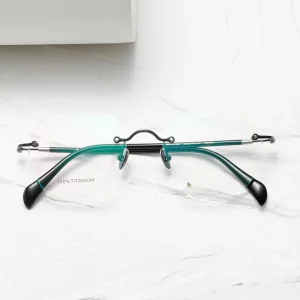
For ultra-lightweight requirement (under 10 grams), we engineer pure titanium (Grade 2/4) front rims combined with high-flexibility Beta-Titanium (Ti-15V-3Cr-3Sn-3Al) temples. Titanium provides complete immunity to sweat corrosion, zero nickel content, and an extraordinary strength-to-weight ratio, crucial for delicate, low-profile petite frame construction.
Metal surfaces undergo physical vapor deposition (PVD) ion plating in cleanroom vacuum chambers. This micro-layer coating achieves micro-hardness exceeding 2000 HV, offering exceptional scratch resistance, sweat resistance, and high chemical stability against UV exposure and cosmetic oils.
15 years of industry leadership in Shenzhen, integrating automated 5-axis CNC machining, Class 10,000 cleanrooms, and stringent 4-stage quality control.
Yintai Eyewear is a premier optical manufacturer based in Shenzhen, Guangdong Province, China. Over 15 years of continuous operational evolution, Yintai has transformed into a modern enterprise uniting advanced optical R&D, precision mold tooling, mass production, and international B2B customer support.

Located in Fuji Land Industrial Park, equipped with 5-axis automated CNC machining centers, automated high-precision polishers, and Class 10,000 cleanrooms ensuring high stability.
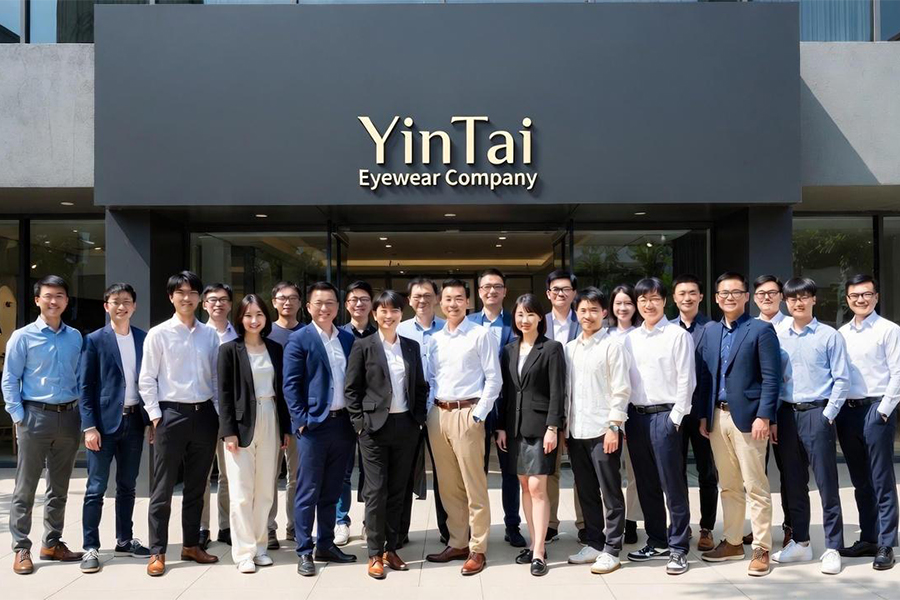
200+ dedicated full-time specialists, backed by a 10-engineer elite R&D unit driving structural design innovation, CAD/CAM prototyping, and continuous manufacturing yield optimization.
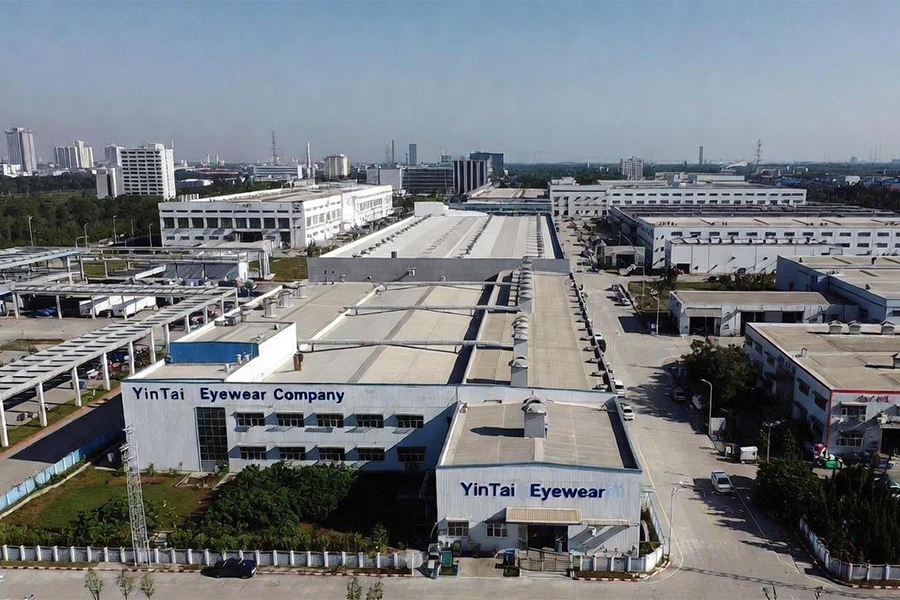
From raw material verification, custom mold design, 5-axis CNC milling, hand-finishing to final lens glazing and assembly. Vertical integration guarantees competitive cost structures and rapid turnarounds.
How global optical chains, independent optometrist buying groups, and high-end boutique fashion brands deploy petite frame collections.
In Germany, France, and the Nordic markets, strict adherence to EU MDR medical device traceability is non-negotiable. Yintai provides complete CE laser etching on temple inner walls, compliant barcoding, and localized EU Representative paperwork, enabling frictionless distribution through regional retail chains.
High-end eyewear brands in the US and Canada leverage our ODM custom design services to introduce exclusive "Petite Luxury" sub-collections. Custom core wire filigree, laser logo branding, and bespoke acetate acetate colorways allow brands to capture premium margins.
Petite frames serve a critical dual role: accommodating adult wearers with narrow facial features and providing smooth transitional sizing for teenagers graduating from pediatric frames to adult styling, demanding durable spring hinges and impact-resistant titanium frames.
Pioneering advancements in smart micro-hinges, eco bio-polymers, 3D laser precision sculpting, and AI-assisted sizing algorithms.
Developing screwless, maintenance-free titanium spring micro-hinges designed to withstand over 20,000 opening cycles, offering zero-looseness stability specifically sized for thin 2.0mm acetate temple walls.
Transitioning 80% of our acetate raw material sourcing to certified biodegradable cellulose acetate formulations that naturally decompose in industrial compost within 180 days without toxic residue.
Integrating 3D facial mesh scanning data from B2B clients to auto-generate parametric CAD molds, enabling custom mass-customization of petite frames tailored to specific regional population demographics.
Direct responses regarding CE compliance, custom OEM branding, material safety, MOQs, and optical laboratory edge integration.
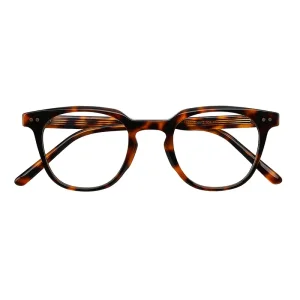
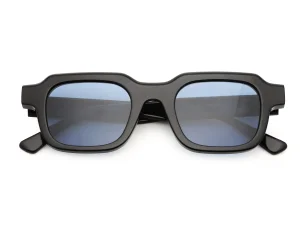
Complete your catalog with our versatile range of acetate, titanium, and trend-focused square optical frames.
 Yintai Eyewear