Explore our flagship collection of precision-engineered metal, pure titanium, and high-density acetate optical frames designed for international optical chains and OEM/ODM private labels.
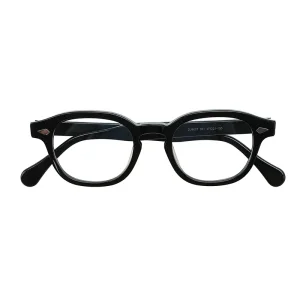
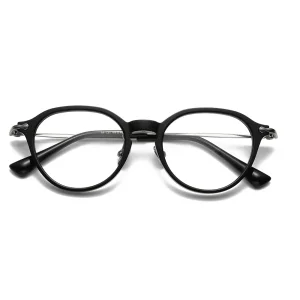
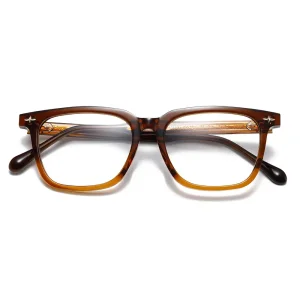
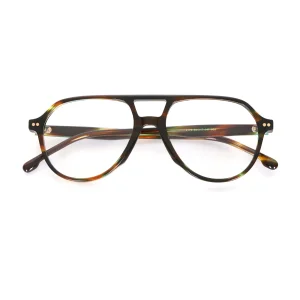
An architectural insight into global eyewear manufacturing, metallurgical standards, nickel release compliance, and Shenzhen supply chain optimization for enterprise procurement officers.
In the contemporary B2B optical market, sourcing high-durability, hypoallergenic, and fashion-forward metal eyeglass frames demands more than aesthetic evaluation. Global enterprise procurement leaders—ranging from multinational optical chains to boutique private-label brands—must navigate stringent regulatory compliance frameworks, intricate metallurgical alloy formulations, and complex supply chain logistics. At the epicenter of this industry transformation is Shenzhen, Guangdong Province, China, a high-tech manufacturing nexus where advanced precision CNC machining intersects with decades of artisanal hand-finishing.
As consumer demand pivots toward ultra-lightweight structures, hypoallergenic bio-compatibility, and sustainable ion-plating processes, compliance with the European Union’s CE Marking Regulations (EU MDR 2017/745 Class I Medical Devices) has transitioned from a competitive advantage to an absolute market entry prerequisite. This whitepaper presents a comprehensive engineering and supply chain analysis of CE-certified metal optical frame production, detailing material metallurgy, structural testing, Shenzhen industrial synergy, and low-MOQ rapid-deployment OEM/ODM methodologies.
Core Takeaway for Enterprise Buyers: CE certification for metal eyewear requires verified adherence to ISO 12870, EN 1811 (nickel release threshold < 0.5 µg/cm²/week), ISO 10993 cytotoxicity standards, and REACH SVHC restrictions. Sourcing directly from vertically integrated Shenzhen manufacturers ensures complete technical documentation traceability and batch consistency.
The CE mark indicates that metal optical frames comply with the essential health, safety, and environmental protection requirements of applicable EU directives. Under EU Medical Device Regulation (MDR) 2017/745, non-prescription and prescription optical frames are categorized as Class I medical devices. Achieving and maintaining CE certification mandates exhaustive physical, chemical, and dimensional testing.
| Standard / Regulation | Scope & Focus Area | Technical Threshold & Requirement |
|---|---|---|
| EN ISO 12870 | Ophthalmic Optics – Spectacle Frames | Dimensional tolerances, mechanical strength, bridge deformation, endurance testing (50,000 flex cycles). |
| EN 1811 + A1 | Reference Test Method for Nickel Release | Direct and prolonged skin contact parts must release < 0.5 µg Nickel/cm²/week after corrosion testing. |
| EN 12472 | Simulated Wear & Corrosion Testing | Accelerated wear procedure prior to nickel release detection on electroplated/IP coated metal parts. |
| ISO 10993-5 / -10 | Biological Evaluation (Cytotoxicity & Irritation) | Verification that nose pads, temple tips, and frame coatings produce no dermal irritation or toxic response. |
| REACH Regulation (EC) 1907/2006 | Chemical Safety & Hazardous Substances | Strict limitation of Lead, Cadmium, Phthalates, and SVHC (Substances of Very High Concern). |
Nickel dermatitis remains one of the primary regulatory compliance hurdles in European eyewear import logistics. Base metal alloys like Monel or Nickel-Silver contain significant nickel concentrations. To meet CE standards, manufacturers employ dual protection systems:
Metal eyeglass frames represent a delicate synthesis of structural rigidity, tensile elasticity, and featherweight ergonomics. Modern optical engineering relies on four core metal material classifications:
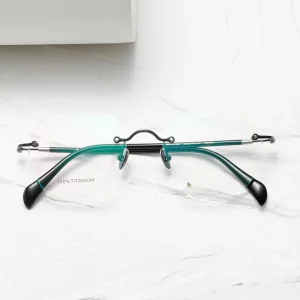
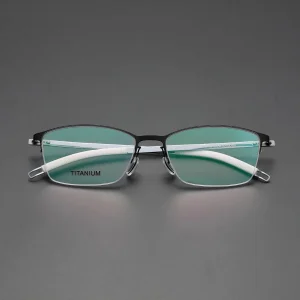
Extremely high strength-to-weight ratio with a density of 4.51 g/cm³. 48% lighter than conventional brass or monel. 100% corrosion proof and biocompatible. Ideal for premium rimless, semi-rimless, and ultra-light 15g classic round frames.
An alloy of titanium with vanadium and chromium providing exceptional shape memory and spring flexibility. Perfect for ultra-flexible temples, screwless hinges, and stress-bearing optical components requiring high fatigue resistance.
High-grade surgical stainless steel offering high tensile strength, outstanding rigidity for ultra-thin flat-metal cutouts, excellent sweat resistance, and superior cost-performance ratio for commercial bulk optical lines.
Shenzhen, China, stands globally recognized as the premier hub for high-end optical frame engineering. Unlike fragmented supply networks, Shenzhen’s optical ecosystem offers complete vertical integration—bringing raw metal wire drawing, high-precision CNC mold making, automatic laser welding, surface treatment, and cleanroom optical assembly into a concentrated geographic radius.
At Shenzhen Yintai Eyewear, our manufacturing infrastructure located in the Fuji Land Industrial Park integrates multi-axis CNC machining centers, automated hydraulic stamping units, and Class 10,000 dust-free finishing facilities. This consolidated workflow guarantees stringent cost control, rapid sample turnarounds, and uncompromising batch-to-batch quality stability.
Enterprise buyers face unique challenges when balancing minimum order quantities (MOQ), customization speed, and brand differentiation. Traditional supply chains often enforce rigid MOQs of 300 to 500 pieces per SKU, stalling market testing for boutique collections and agiler enterprise brands.
We support small-batch, high-flexibility pilot orders starting at MOQ 10 Pieces for select premium custom acetate and titanium frames. This empowers optical brands to validate new designs in regional markets with minimal inventory exposure.
Complete OEM/ODM customization capabilities: laser logo etching on temples or lenses, custom nose pad material selection (titanium, ceramic, bio-silicone), pad-printed inner temple text, and branded packaging sets.
3D CAD design rendering within 48 hours, 3D printed/prototype samples within 7-10 days, and full production delivery within 25-35 days supported by dedicated multi-lingual B2B sales teams responding within 24 hours.
The global metal optical market is rapidly evolving beyond basic geometric wireframes. Key technological shifts defining the next decade of eyewear design include:
Advanced hollowed-out titanium architecture and hand-carved slim profiles reduce frame weight below 15 grams, delivering all-day pressure-free comfort for prescription wearers.
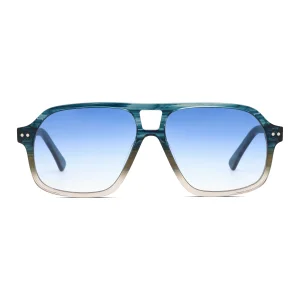
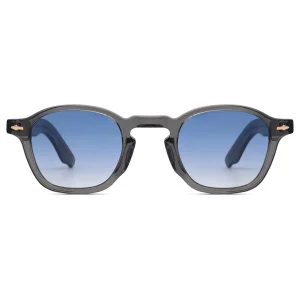
Combining vintage acetate eye rings with filigree-carved titanium bridges and cross/arrow rivet metal accents creates rich structural depth and luxury aesthetic contrast.
Transitioning from conventional chemical solvent lacquers to zero-emission PVD physical vapor deposition processes, aligning with global ESG corporate sustainability metrics.
Intricate hand-carved patterns along temple wire cores and frame edges, merging traditional jewelry craftsmanship with high-precision optical component production.
Navigating localized sales environments requires strict alignment with regional healthcare and consumer safety standards:
Yintai Eyewear is a leading manufacturer based in Shenzhen, Guangdong Province, China. After 15 years of dedicated development, we have evolved into a modern enterprise integrating technological R&D, precision manufacturing, and global sales.
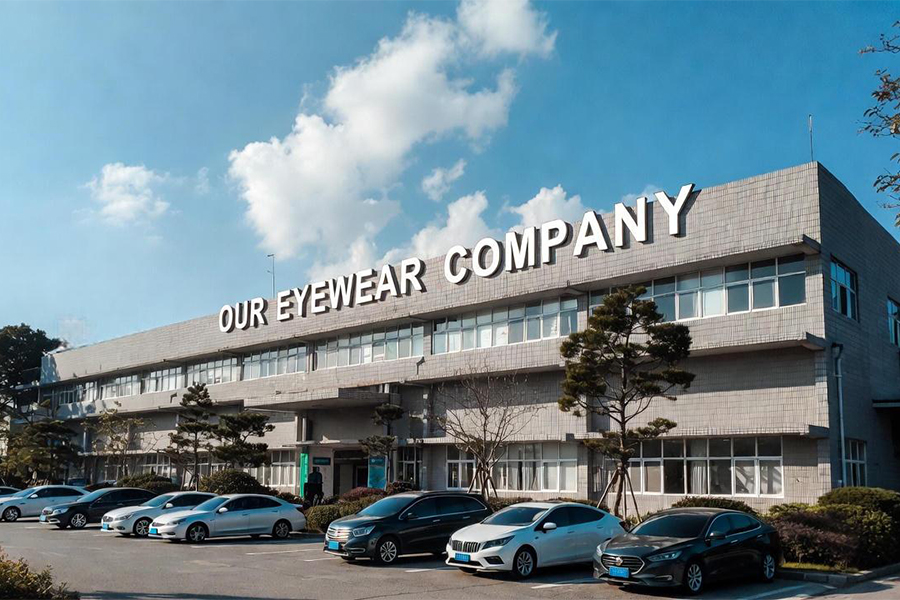
Located in the industrial park at Fuji Land Building, equipped with fully automated production lines, CNC machining centers, and Class 10,000 cleanrooms, ensuring stable capacity and consistent quality.
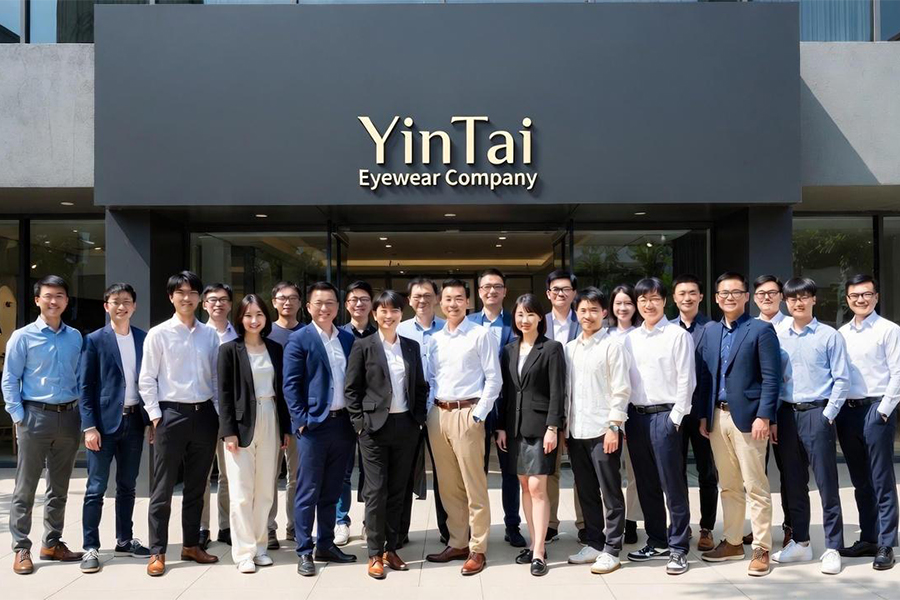
Over 200 dedicated employees, including a 10-member elite R&D and technical team continuously driving product innovation, CAD modeling, and mold process optimization.
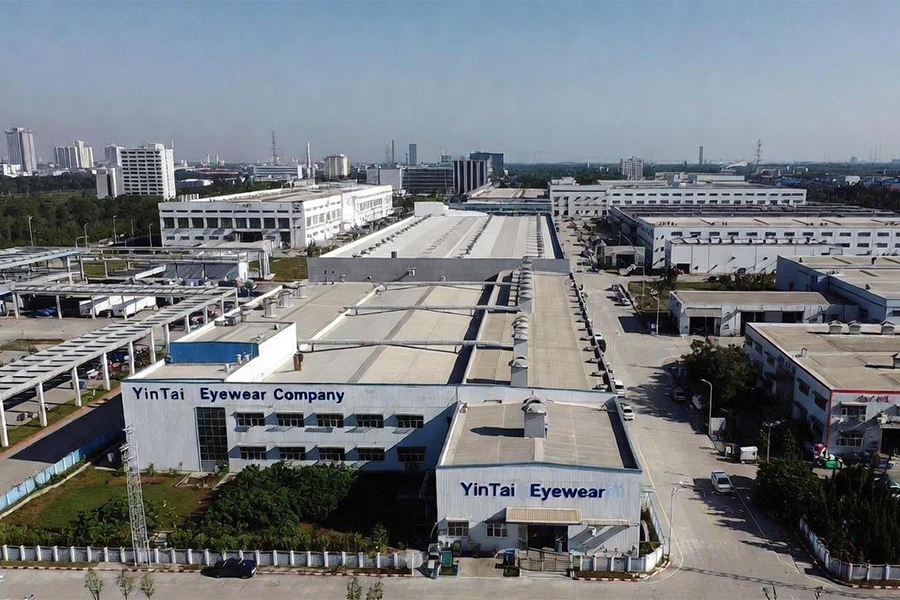
From raw material procurement and mold development to finished frame assembly, achieving vertical integration across core production processes for faster delivery and lower cost.
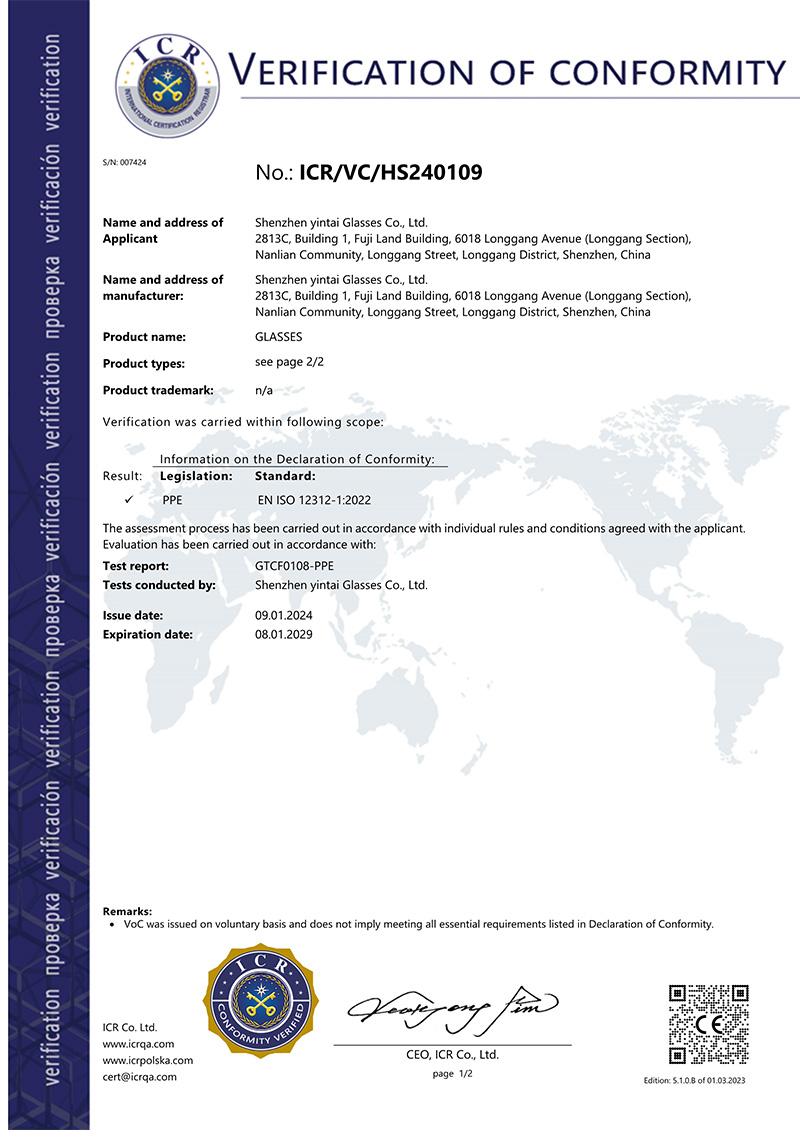
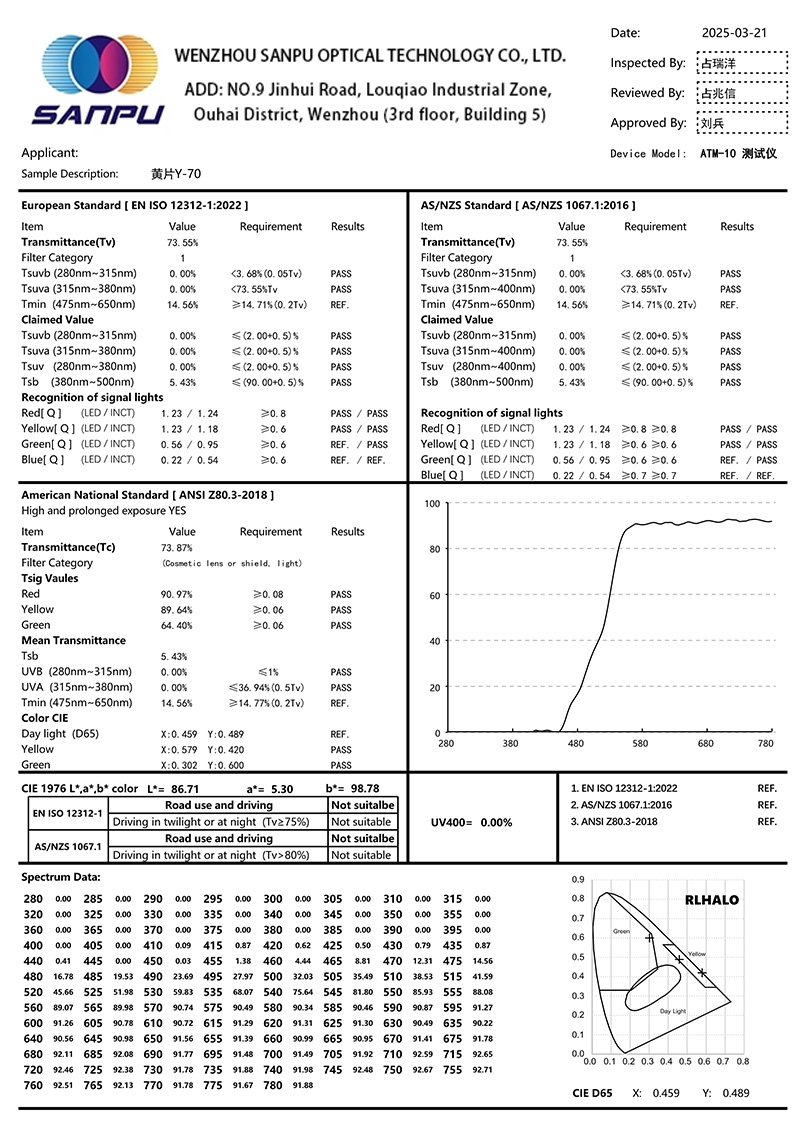
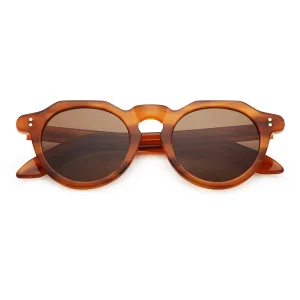
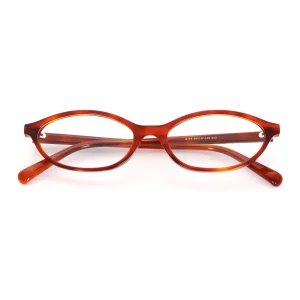
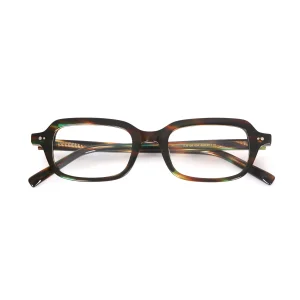
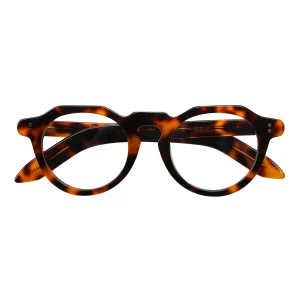
Discover our comprehensive OEM/ODM product selection with international certifications including ISO9001, CE, and RoHS compliance.
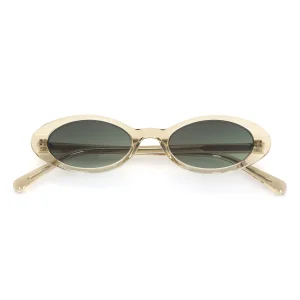
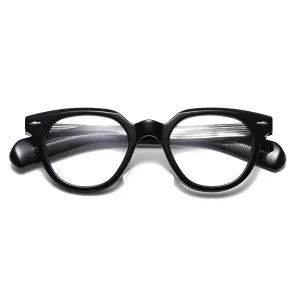
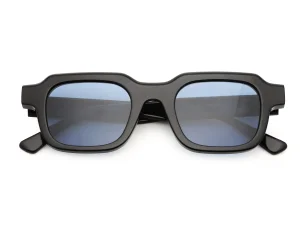
 Yintai Eyewear