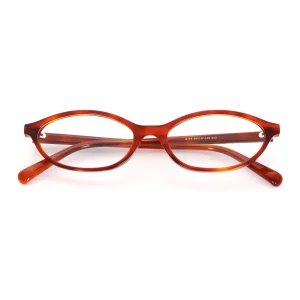
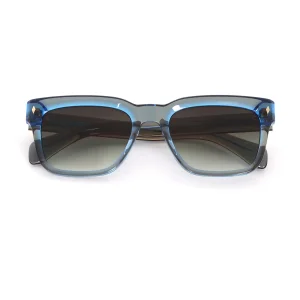
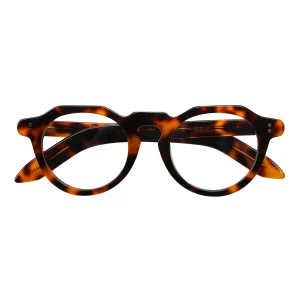
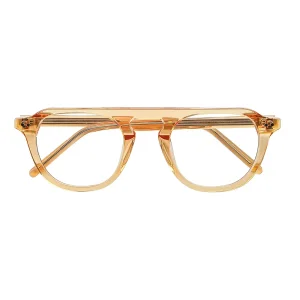
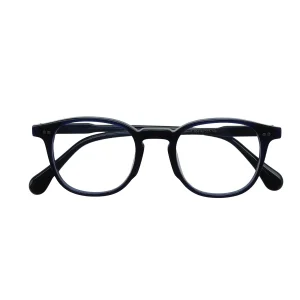
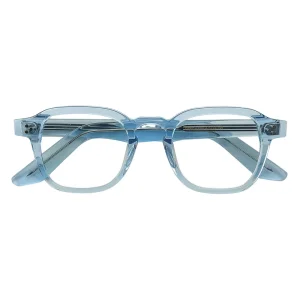
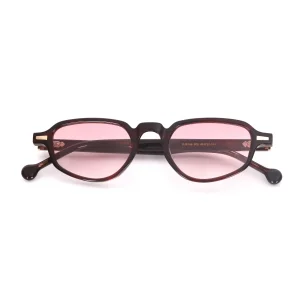
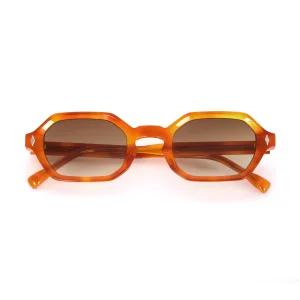
The global eyewear industry is undergoing a structural transformation driven by rising demand for high-end optical solutions, ergonomics, and material sustainability. Men’s optical frames, historically dominated by utilitarian metal alloys, have experienced a dramatic pivot toward premium cellulose acetate and bio-based acetate structures. According to market research insights, the global acetate optical frame market is projected to reach $18.4 Billion by 2030, expanding at a CAGR of 6.2%. The men’s segment accounts for nearly 48% of total revenue, propelled by modern office aesthetics, remote-work digital screen exposure, and an increasing appreciation for craftsmanship.
Global B2B procurement managers, luxury fashion brand curators, and regional optical retail networks are no longer evaluating suppliers solely on per-unit cost. Instead, the focus has pivoted to Information Gain—evaluating suppliers based on verifiable compliance (CE marking under EU MDR standards), zero-defect manufacturing precision, supply chain transparency, and custom OEM/ODM rapid prototyping capabilities.
Contemporary design paradigms for men’s optical frames blend timeless classic geometry with modern structural reinforcements. Key aesthetic and functional trends include:
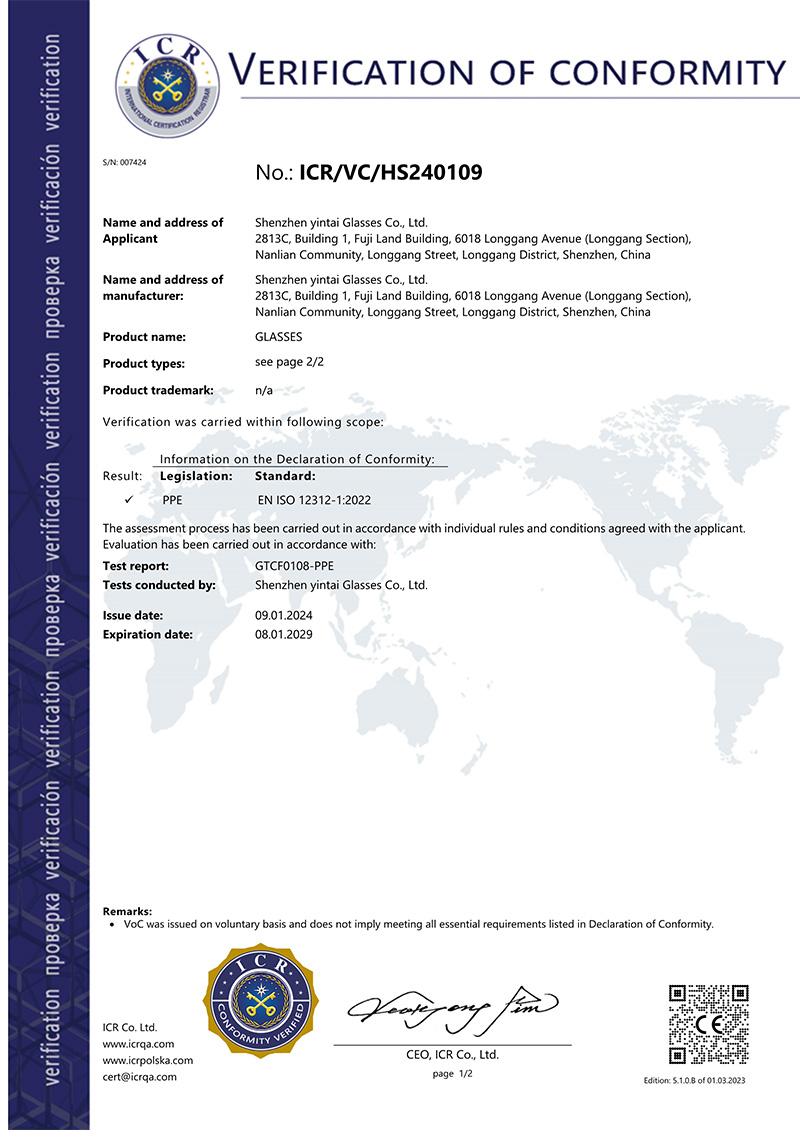
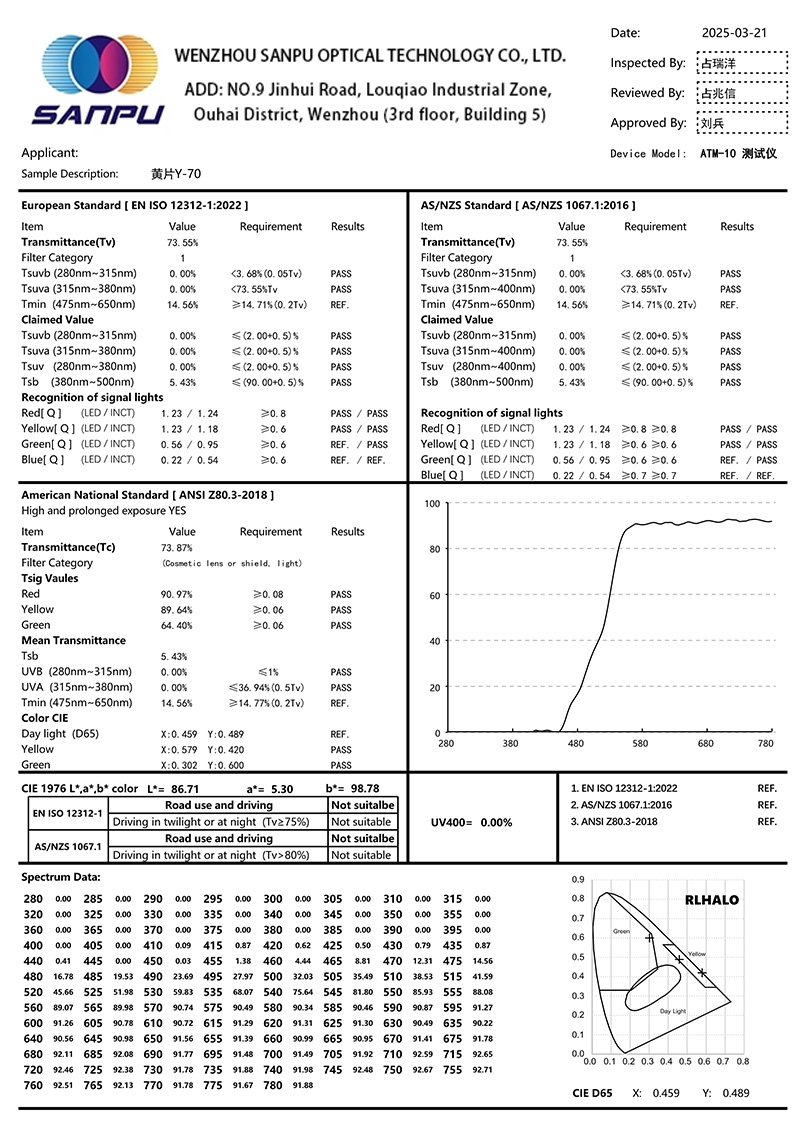
For optical distributors and brands importing men’s acetate optical frames into the European Union and North America, CE Certification is not merely a label—it is a legally binding commitment to consumer safety, material stability, and environmental responsibility under EU Regulation 2017/745 (MDR Class I Medical Devices) and EN ISO 12870.
To maintain CE marking integrity, every frame produced at our manufacturing base undergoes rigorous testing across three main vectors:
Compliance with ISO 10993 and REACH regulations ensures that cellulose acetate sheets, organic dyes, and surface coatings are non-toxic, hypo-allergenic, and free from phthalate plasticizers that cause skin irritation.
Frames undergo thermal stress tests (55°C for 24 hours) and mechanical endurance testing (5,000 hinge flex cycles) to verify structural memory and frame shape integrity under real-world usage.
Testing under EN 16128 ensures zero nickel migration from internal temple wire cores or stainless steel hinges, fulfilling stringent EU safety guidelines for direct contact with human skin.
| Regulatory Standard | Target Region | Core Testing Parameter | Verification Status |
|---|---|---|---|
| CE Mark / EN ISO 12870 | European Union (EU) | Dimensional stability, sweat endurance, optical radiation safety | Fully Compliant |
| ISO 9001:2015 | Global Quality System | Vertical quality management (IQC, IPQC, FQC execution) | Factory Certified |
| RoHS 2.0 (2011/65/EU) | International Markets | Restriction of Hazardous Substances (Lead, Cadmium, Hex-Cr) | Verified Pass |
| FDA 21 CFR 886.5844 | United States | Impact resistance, drop-ball test verification for optical frames | Audit Ready |
Semantic search analysis of global procurement search queries reveals that buyers searching for "CE Certification men's acetate optical frames Products & Factory" possess high transactional and commercial intent. Buyers are not looking for consumer-facing fashion tips; they require deep technical proof of manufacturing reliability, customizable parameters, low defect rates, and predictable lead times.
B2B buyers demand premium cotton-cellulose acetate sheets (such as Mazzucchelli or high-grade domestic alternatives) that undergo 90-day natural curing. Cured acetate prevents frame warping, shrinkage, and bridge distortion during lens edging.
Emerging DTC eyewear brands and boutique chains search for low minimum order quantities (MOQ starting at 10-100 units per model) with laser-engraved custom logos, bespoke core-wire patterns, and tailored pantone color matching.
Procurement audits prioritize high-tensile nickel-silver or titanium hinges (3-barrel, 5-barrel, or spring-hinges) secured via dual-rivet anchor pins to prevent temple wobble after extended wear.
Modern buyers seek direct factory relationships with clear ISO, CE, and RoHS certifications, offering real-time production tracking, IPQC documentation, and 24-hour response SLAs.
Located in the industrial heart of Shenzhen, Guangdong Province—the world's premier cluster for high-end optical manufacturing—Yintai Eyewear represents the convergence of modern Industry 4.0 automation and traditional artisan frame sculpting. With over 15 years of dedicated R&D and production excellence, we provide international clients with an unshakeable manufacturing foundation.
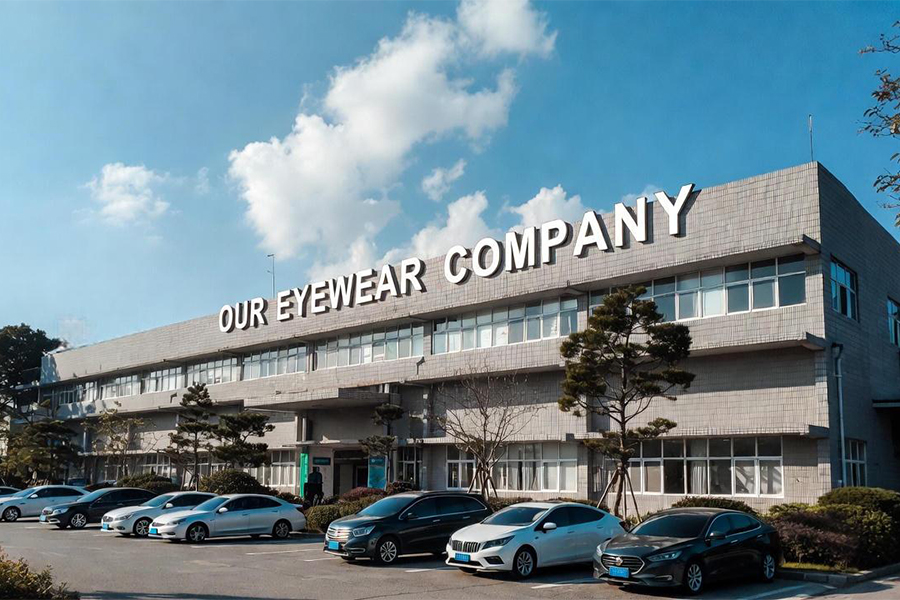
Located at Fuji Land Building industrial park, equipped with fully automated CNC machining centers and Class 10,000 cleanroom facilities.
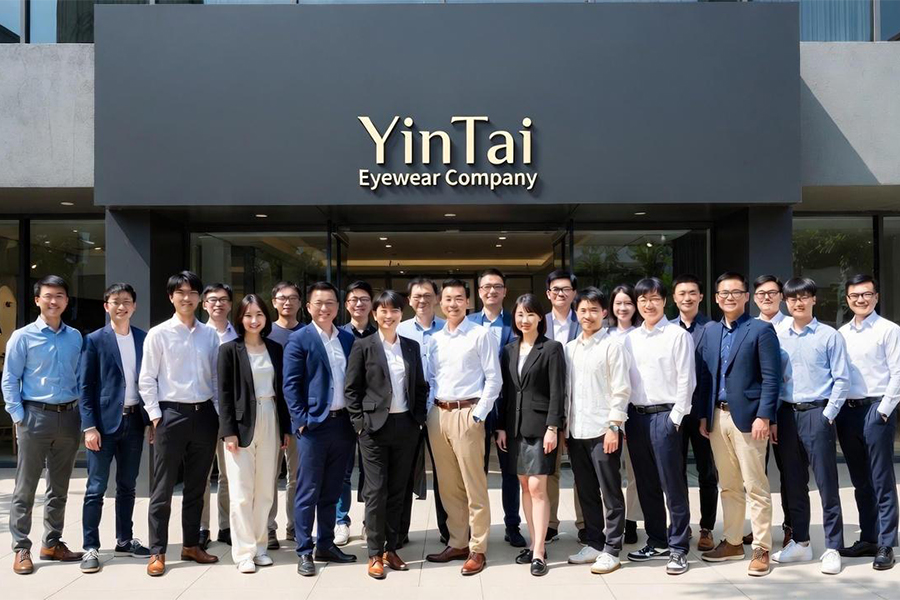
Over 200 dedicated full-time employees, including an elite 10-member R&D technical engineering squad driving constant process optimization.
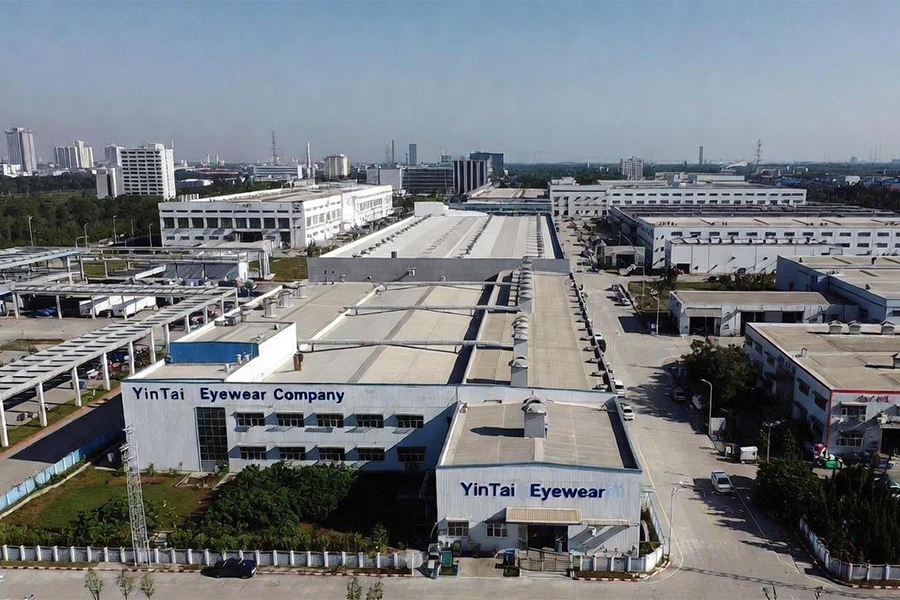
From raw sheet curing and precision mold tooling to multi-stage polishing and assembly, control costs and delivery schedules with zero friction.
72-hour barrel tumbling followed by meticulous hand-buffing ensures deep optical gloss and seamless frame surface touch.
5-axis precision CNC routers carve intricate bevels, wire channels, and lens grooves with sub-millimeter tolerances.
24-hour response window for international inquiries, providing complete turnkey OEM/ODM solutions from digital render to global freight.
Cellulose acetate is a non-petroleum polymer derived from natural renewable resources, primarily wood pulp and cotton linters. Unlike injection-molded plastics (TR90 or Polycarbonate), high-grade acetate possesses organic breathability, superior depth of color, and unique thermo-plastic memory—allowing opticians to custom-bend temples and front fronts under heat for perfect anatomical fit.
Extruded stainless steel core wires are pneumatically heated and inserted into acetate temples at precise temperature intervals, reinforcing rigidity while providing artistic geometric etching visible in translucent colorways.
Frames undergo a 4-stage polishing process: coarse walnut shell tumbling, fine birch wood chip smoothing, and double-stage cotton wheel hand-polishing with non-abrasive organic paste to create a deep mirror sheen.
Anatomically contoured nose bridges are CNC-milled with smooth radii to distribute frame weight evenly across the nasal bone, preventing slip and pressure marks during extended daily office wear.
Different international markets display distinct anatomical requirements and stylistic preferences. Successful B2B eyewear sourcing depends on matching factory production specs with regional buyer intent:
Demands: Oversized square frames, anti-blue light clear lens configurations, durable 5-barrel hinges, and classic black or dark tortoiseshell tones. High emphasis on wide bridge fits and sturdy temple arms.
Demands: Bio-based eco-acetate material certification, minimalist geometric shapes, retro cat-eye/round revivals, subtle champagne/amber transparency, and full CE/RoHS technical file compliance.
Demands: High-bridge Asian/Universal fit modifications, deeper nose pads to prevent slipping, anti-corrosive stainless steel core wire plating resistant to high ambient humidity and sweat.
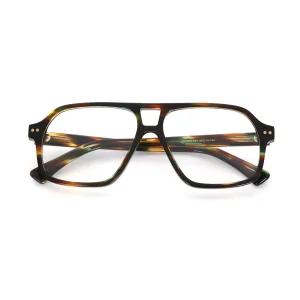
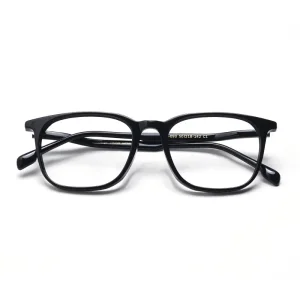
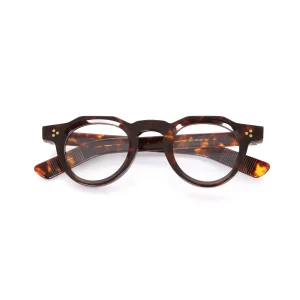
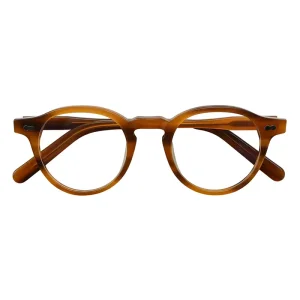
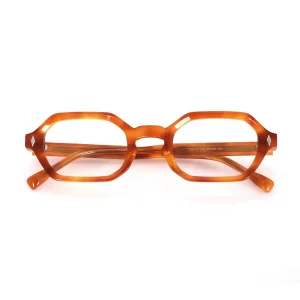
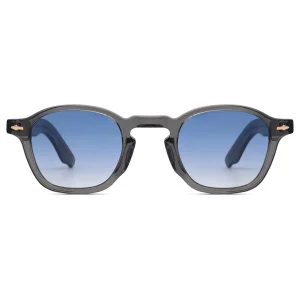
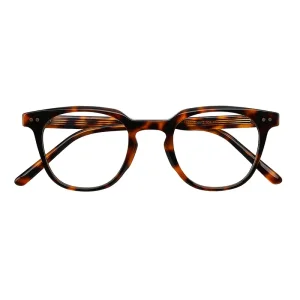
Yintai Eyewear offers global optical buyers a seamless integration of certified manufacturing, 15 years of technical expertise, low MOQ flexibility, and end-to-end OEM/ODM support. Elevate your brand’s product portfolio with premium men's acetate optical frames built to precise European standards.
 Yintai Eyewear