Explore our high-precision cellulose acetate frames engineered for premium ergonomic comfort, global regulatory compliance, and rapid customization.
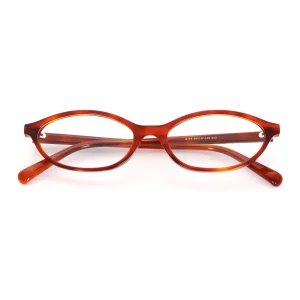
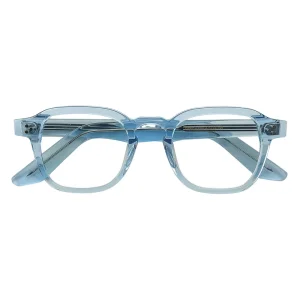
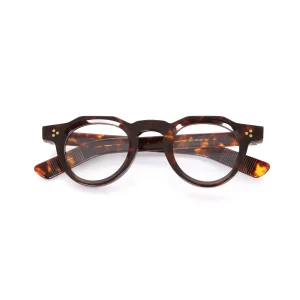
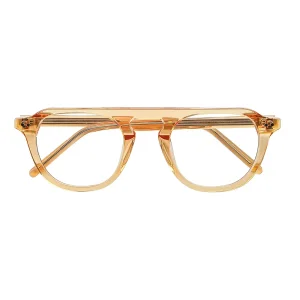
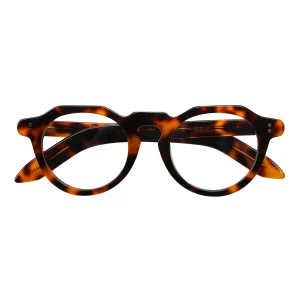
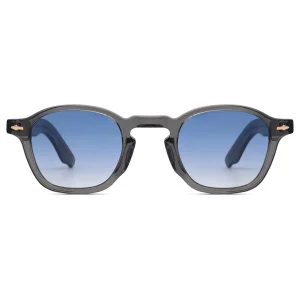
Analysis of market dynamics, compliance barriers, and OEM/ODM factory shifts across European, North American, and Asian markets.
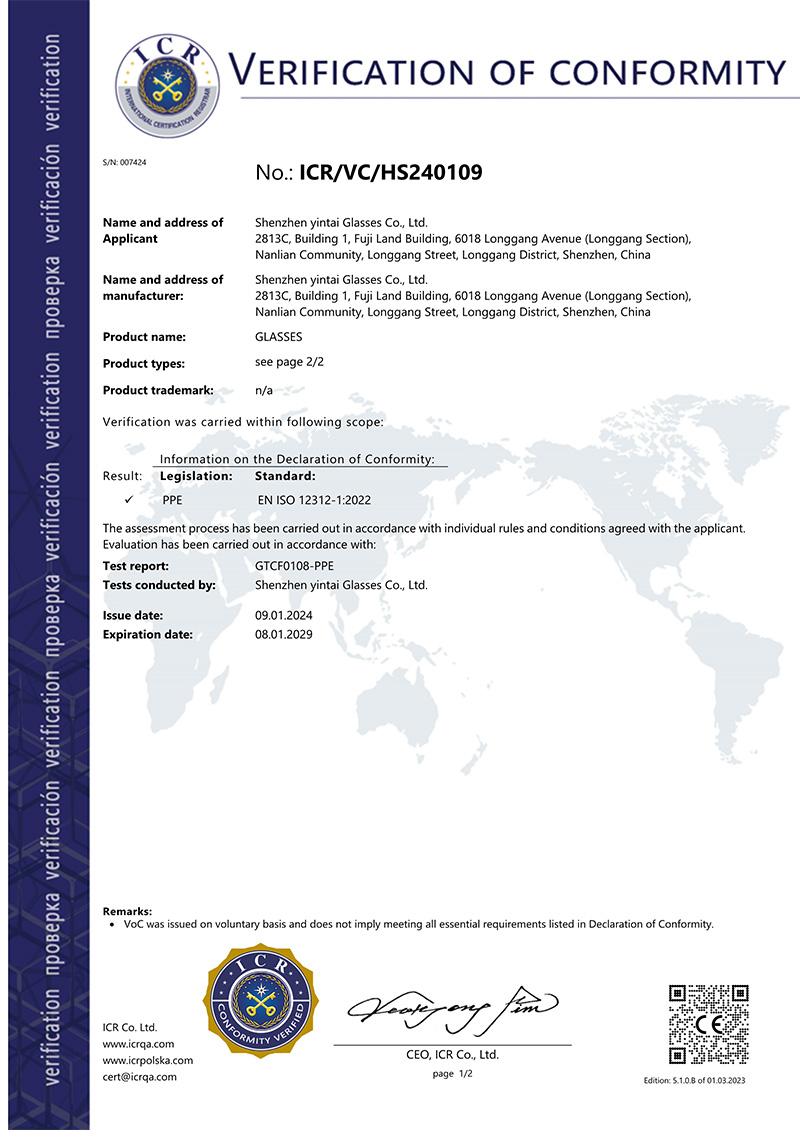
The global eyewear frames industry is undergoing a profound paradigm shift driven by stringent medical device regulations, rising demand for bio-based cellulosics, and high-precision CNC manufacturing standards. As international trade regulations tighten, particularly within the European Economic Area (EEA) under the European Medical Devices Regulation (MDR 2017/745) and Personal Protective Equipment (PPE) Regulations, obtaining authentic, verified CE Certification for Eyewear Glasses Frames has evolved from a standard market entry requirement into a strategic competitive differentiator for premium brands, distributors, and retail optical chains.
Shenzhen, China, has established itself as the epicenter of high-end acetate eyewear engineering. Unlike low-cost injection-molded plastic frames, premium cellulose acetate eyewear requires an intricate balance of metallurgical engineering for temple cores, multi-axis CNC milling, hand-polishing operations, and rigorous climate-controlled aging processes. B2B buyers seeking factory direct partnerships must evaluate suppliers not only on unit cost, but on vertical integration capabilities, quality assurance protocols (IQC, IPQC, FQC), and technical compliance readiness.
Full compliance with EU Regulation 2017/745 for Class I medical optical frames and EU 2016/425 for UV400 protective sunglasses, backed by accredited lab test reports.
Utilizing high-density cellulose acetate cured for over 90 days to prevent post-assembly deformation, ensuring long-term bridge stability and lens retention.
Over 20,000+ in-stock ready-to-ship models with low MOQ (10 pcs) for instant dispatch alongside 7-day fast custom prototyping for OEM/ODM private labels.
Understanding the exact testing protocols required for European and global commercial compliance in optical frames.
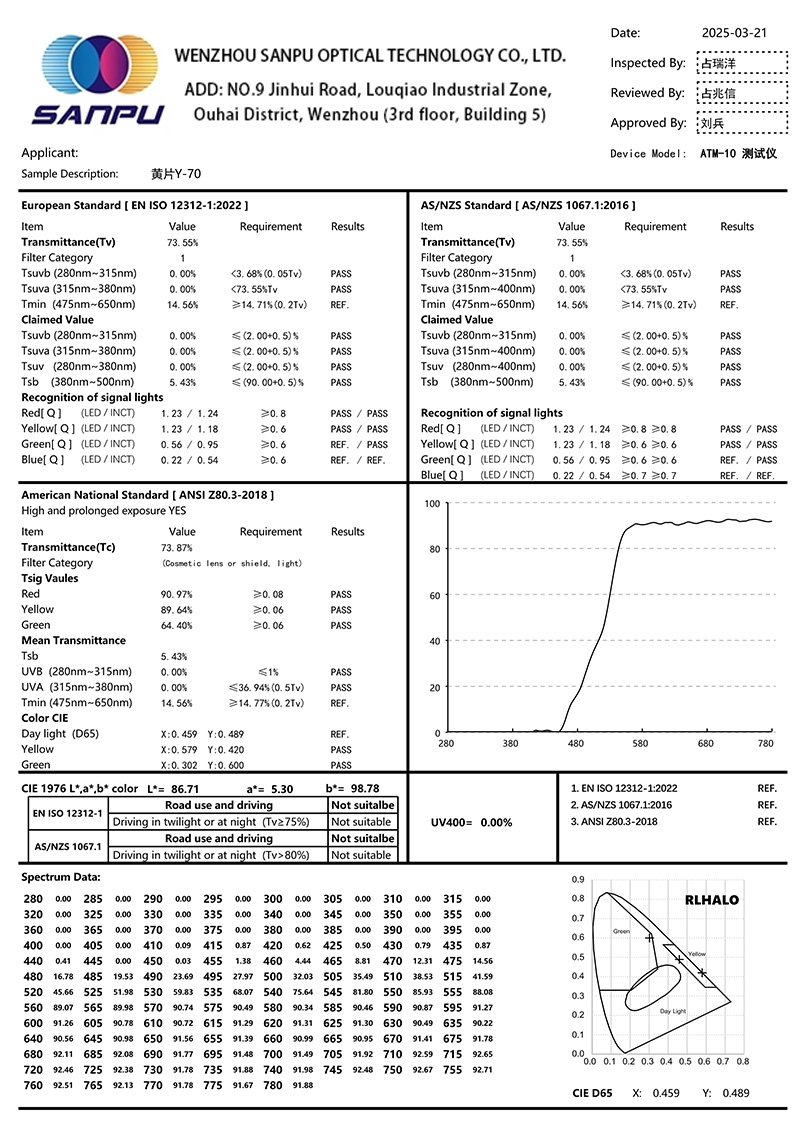
To successfully commercialize spectacle frames in international markets, optical frames must undergo stringent standardized laboratory testing. The table below outlines the primary compliance parameters enforced under ISO standards and European CE guidelines that Shenzhen Yintai Eyewear adheres to across all production runs:
| Standard Directive | Test Property | Technical Requirement | Quality Assurance Outcome |
|---|---|---|---|
| EN ISO 12870:2018 | Dimensional Stability & Endurance | Exposed to elevated temperature (60°C) for 24h & 500 cycle hinge movement | Zero structural distortion; hinge torque retained within ±0.05 Nm |
| EN 16128 / ISO 12870 | Nickel Release Rate | Submerged in artificial sweat solution for 1 week (< 0.5 µg/cm²/week) | 100% Hypoallergenic compliance for sensitive skin protection |
| EN ISO 12312-1:2013 | UV400 Light Transmittance | Blocking 99.9% of UVA/UVB radiation between 280nm - 400nm wavelengths | Optimal ocular protection certified for sunglass lens assemblies |
| ISO 10993-5 / 10993-10 | Biocompatibility & Cytotoxicity | Direct dermal contact assessment for long-term wear safety | Zero skin irritation, non-toxic bio-cellulose acetate verified |
| ISO 12870 Clause 8.4 | Ignitability & Thermal Resistance | Steel rod at 650°C applied to frame surface for 5 seconds | Self-extinguishing material properties; no sustained combustion |
15 years of precision manufacturing excellence, driving innovation across global OEM & ODM eyewear supply chains.
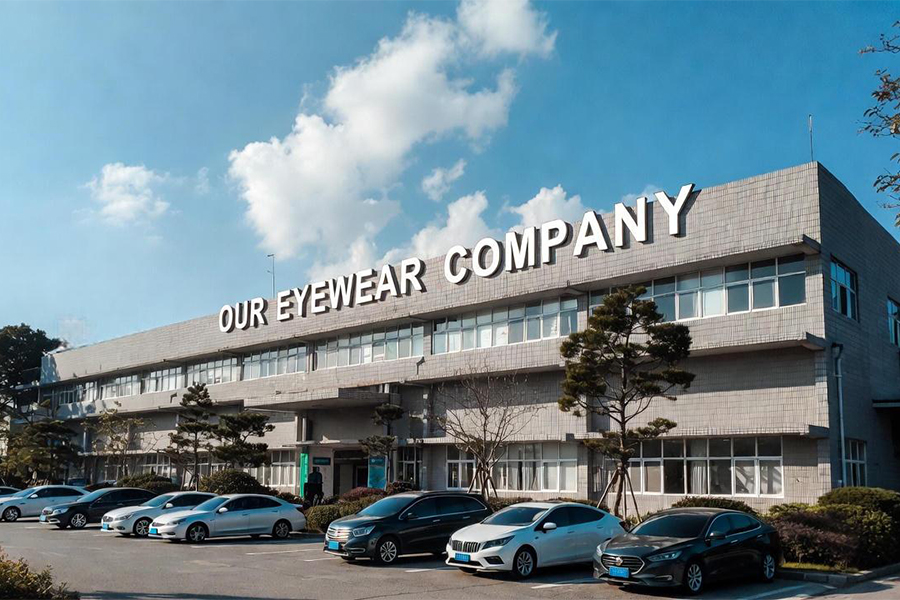
Located in the modern industrial park at Fuji Land Building, equipped with fully automated production lines, multi-axis CNC machining centers, and Class 10,000 cleanrooms, ensuring stable capacity and consistent quality.
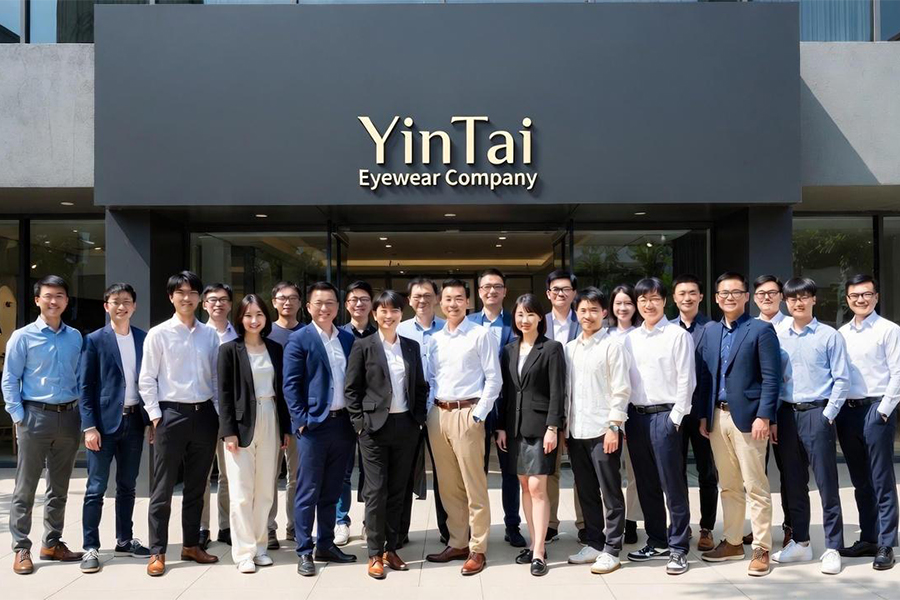
We employ over 200 dedicated staff, including an elite 10-member R&D and technical engineering team that continuously drives product design innovation, ergonomic fit optimization, and mold tooling precision.
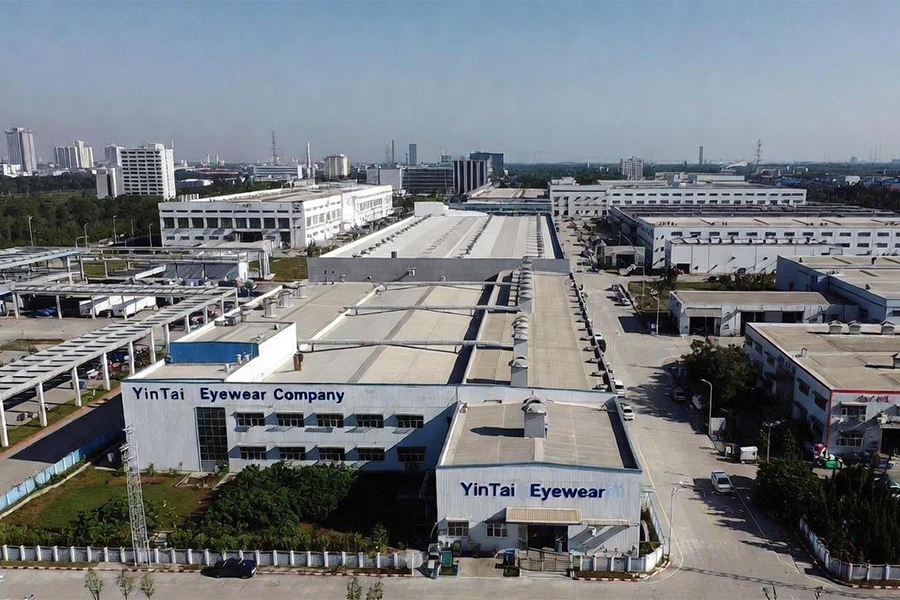
From raw material procurement and custom mold development to frame milling and final hand assembly, our integrated operations guarantee tightly controlled costs, 7-day rapid prototyping, and faster delivery cycles.
From raw organic cellulose block to high-fashion finished optical hardware: A breakdown of our 12-step manufacturing pipeline.
Cellulose acetate sheets undergo thermal aging in specialized humidity chambers for 60 to 90 days. This removes residual volatile solvents, preventing frame shrinkage or warping after lens installation in optical shops.
High-precision 5-axis CNC router cutters mill front frame profiles and lens bevel grooves with sub-micron tolerances (±0.02mm). This guarantees flawless lens retention and structural alignment across complex geometric shapes.
Custom stainless steel or titanium wire cores are heated and injected into acetate temples to provide flexural memory. Heavy-duty 3-barrel, 5-barrel, or 7-barrel hinges are hand-riveted with decorative diamond accents for maximum durability.
Frames undergo 72 hours of continuous dry and wet organic tumbling in hardwood chips (walnut shells and bamboo pellets) mixed with specialized polishing pastes, eliminating tool marks and imparting a silky tactile feel.
Master artisans perform meticulous hand-buffing using cotton wheels to achieve a mirror finish. Bridge contours and temple pitch angles are hand-aligned according to international ergonomic fit standards.
Final optical lens fitting, logo laser engraving, UV400 spectral verification, and compliance packaging take place in a dust-free Class 10,000 cleanroom, guaranteeing pristine cosmetic condition upon delivery.
Empowering global optical chains, fashion labels, boutique optometrists, and direct-to-consumer (DTC) brands with tailored OEM/ODM supply chains.
Solution: Fast 7-day custom prototyping and low 10-piece MOQ in-stock ready catalog allow indie luxury fashion labels to launch seasonal eyewear drops without heavy capital tie-up.
Solution: Medical-grade prescription-ready frames with standard groove dimensions ensuring seamless glazing of progressive, bifocal, and single-vision corrective lenses by lab technicians.
Solution: High-volume automated production capacity (20,000+ units/month) paired with custom eco-friendly packaging and individualized drop-shipping customization options.
Pioneering eco-friendly material science, digital 3D prototyping, and smart wearable frame integration.
As sustainability transitions from an option to a mandatory requirement in European and North American retail markets, Shenzhen Yintai Eyewear is leading the adoption of Bio-Based Cellulose Acetate. Manufactured using plant-derived plasticizers derived from cotton linters and wood pulp, our bio-acetate frames are 100% biodegradable according to ISO 14855 conditions while offering the identical luster, tactile warmth, and structural integrity of traditional acetate.
Simultaneously, our engineering division is developing ultra-lightweight hybrid frames integrating titanium temples with smart audio and biometric sensor cutouts, empowering optical brands to enter the rapidly growing smart wearable eyewear space with confidence and regulatory compliance.
Clear, direct technical answers regarding CE compliance, MOQ requirements, OEM custom tooling, and factory quality audits.
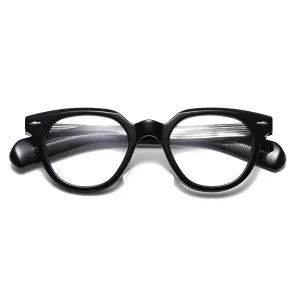
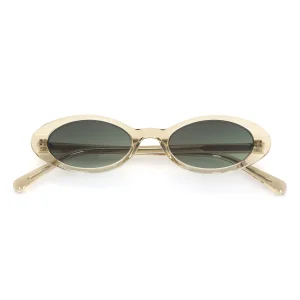
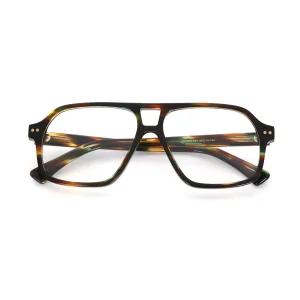
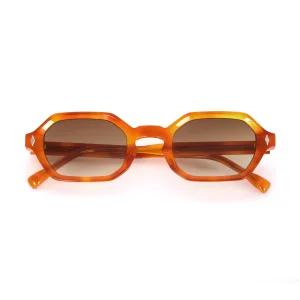
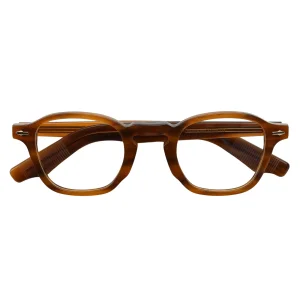
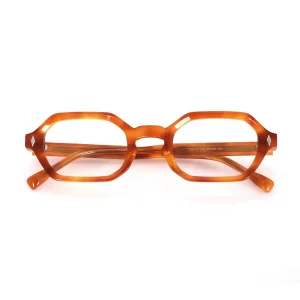
Browse additional certified acetate optical frames and sunglasses crafted for global brand customization and factory direct sourcing.
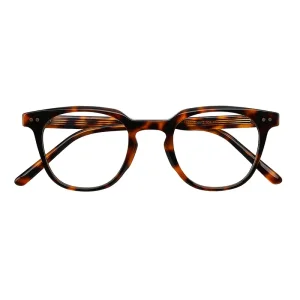
 Yintai Eyewear