Choosing the right pair of Mens Sunglasses is about more than following a trend. Buyers in 2026 face a wide range of frame shapes, lens colors, materials, and price points. A sharp-looking frame can still pinch at the temples. That matters. Fit affects comfort during a long drive, a city walk, or an afternoon outdoors.
This guide compares practical features that global buyers can assess before purchasing. Look for clear information about UV protection, lens construction, frame dimensions, and return policies. Product labels and testing standards can differ by market, so check the details provided by the seller rather than relying on a dark tint alone. Dark lenses do not automatically provide stronger UV protection. Small detail, big difference.
Face shape can offer a starting point, but it should not dictate the choice. Measure a pair that already fits well, then compare its lens width, bridge, and temple length with the new frame. Consider polarized lenses for reducing reflected glare, while remembering they may affect visibility on some digital displays. Materials also deserve attention: lightweight frames can feel comfortable, though durability depends on construction and care. There is no perfect pair for everyone. Even a well-reviewed model may sit differently on your nose. The aim is to balance protection, fit, build quality, and personal style, using verifiable product details instead of marketing claims alone.
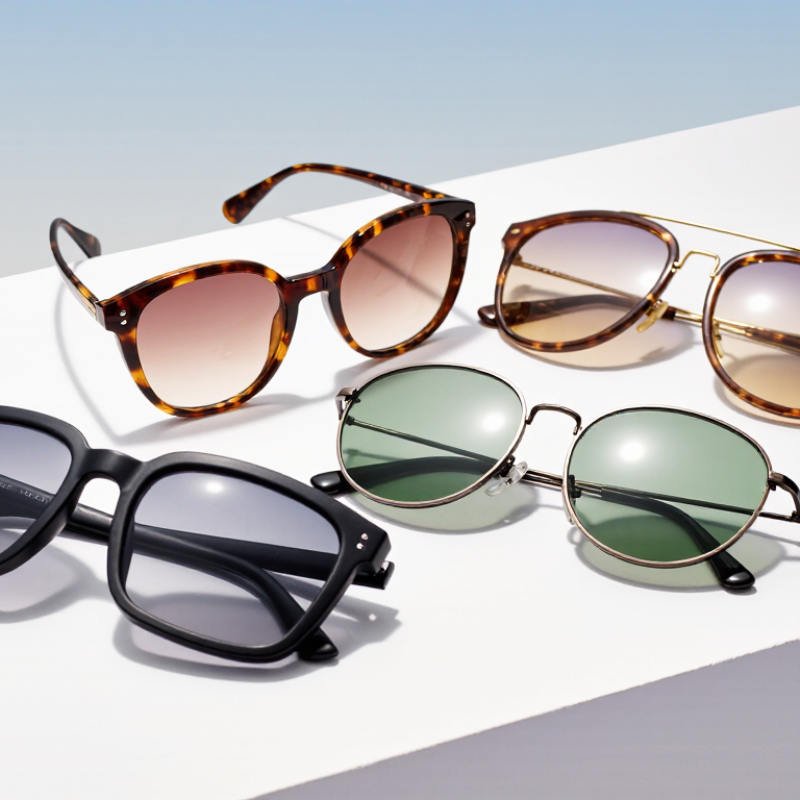
Men’s sunglasses are easier to compare when grouped by style, intended use, and construction—not appearance alone. Aviator, rectangular, and round frames create different visual proportions, but a style label cannot guarantee a good fit. A wide bridge may slide on a narrow nose; thick temples can press near the ears. Fit matters. Try frames on when possible, and check that they stay in place without pinching.
For everyday commuting, balanced coverage and comfortable lenses often matter more than a dramatic shape. For cycling or other outdoor activity, curved frames can help reduce side glare and stay secure during movement. Lens tint affects perceived brightness and color, so consider where and when the sunglasses will be worn. Look for clearly stated UV protection rather than judging protection by lens darkness. Polarized lenses can reduce reflected glare, though they may make some digital displays harder to read.
Construction shapes comfort and durability. Lightweight frame materials can ease pressure during long wear, while sturdy hinges should open smoothly without feeling loose. Check lens edges, bridge contact, and temple alignment; small flaws become noticeable after hours outside. Details count. Categories are useful, but they blur in practice: a sporty frame may suit daily use, while a classic shape may feel awkward on one person and effortless on another.
| Style Classification | Common Design Features | Typical Use | Common Frame Construction | Lens Options and Considerations | Buyer Fit Notes |
|---|---|---|---|---|---|
| Aviator | Usually a double bridge and teardrop-shaped lenses; originally associated with pilot eyewear. | Everyday wear, driving, and travel. | Often made with metal rims and adjustable nose pads; some versions use plastic or mixed materials. | Available with tinted, polarized, or photochromic lenses. Lens coverage varies by model. | Check bridge fit and temple length. Larger lenses may suit wider faces but can feel oversized on smaller faces. |
| Wayfarer-style | Angular lenses with a substantial upper rim and a gently tapered shape. | Casual wear and general-purpose outdoor use. | Commonly made from injection-molded plastic or acetate; some designs combine plastic fronts with metal temples. | Often offered in solid tints and polarized versions. Confirm lens category and UV specifications from the product documentation. | A versatile shape, but frame width and bridge dimensions should be checked against the wearer’s measurements. |
| Round | Circular or near-circular lenses, with thin or prominent rims. | Fashion wear and everyday use. | Available in metal, acetate, and mixed-material constructions. | Lens tint and polarization depend on the specific model; round shape alone does not indicate sun protection. | Compare total frame width and lens diameter. Smaller round frames can provide less coverage than larger designs. |
| Rectangular | Horizontal, straight-edged lenses in narrow or broad proportions. | Daily wear, commuting, and general outdoor activities. | Commonly produced in plastic, acetate, or metal. | Available with a range of tints and coatings. Look for clearly stated UV protection and suitable lens coverage. | Check that the frame does not press at the temples and that the lenses cover the intended viewing area. |
| Wraparound / Sport | Curved lenses and close-fitting temples designed to reduce gaps around the sides. | Cycling, running, fishing, and other active outdoor use. | Often uses lightweight molded plastic, flexible components, rubberized contact points, or interchangeable parts. | Some models offer impact-resistant lenses, polarization, or interchangeable tints. Verify the product’s stated activity and safety specifications. | Assess stability during movement, ventilation, helmet compatibility, and whether the frame suits the wearer’s face width. |
| Clubmaster-style | Prominent upper rims paired with a thinner lower rim or rimless lower edge. | Everyday and smart-casual wear. | Typically combines a plastic or acetate brow with metal lower rims and temples, though constructions vary. | Lens options vary by model. Confirm UV protection independently of the frame style. | Check brow-line alignment and nose fit; adjustable nose pads are common on metal constructions. |
| Construction: Full-rim | The frame surrounds the lens on all sides. | General-purpose use across many styles. | Made in materials such as acetate, molded plastic, stainless steel, or other metals. | Lens shape and thickness requirements depend on the frame and lens material. | Often provides a defined frame outline; compare weight, hinge quality, and fit rather than relying on appearance alone. |
| Construction: Semi-rimless or rimless | A partial rim or minimal frame structure holds the lenses. | Lightweight everyday wear and some sport designs. | Usually uses metal components; rimless designs attach the bridge and temples directly to the lenses. | Lens mounting and replacement compatibility depend on the specific design. | Inspect fastening points and handling requirements. These constructions may need more careful storage than full-rim frames. |
| Lens feature: Polarized | A filter is designed to reduce reflected glare from surfaces such as water and roads. | Driving, boating, fishing, and bright outdoor settings. | Can be used with many frame styles and frame materials. | Polarization is distinct from UV protection. Check for separate, clearly stated UV specifications. | Some digital displays may appear less clear at certain angles; test with intended devices when practical. |
| Lens feature: Photochromic | Lenses change tint in response to light conditions; the degree and speed of change vary by lens. | People moving between indoor and outdoor environments. | Available in different frame styles, subject to lens and frame compatibility. | Performance can vary with temperature and exposure conditions. Do not assume all lenses darken equally inside vehicles. | Review the manufacturer’s transition and use information for the specific lens before purchase. |
| Lens feature: UV protection | A lens property intended to limit ultraviolet radiation reaching the eyes. | Relevant to sunglasses for everyday outdoor use. | Independent of whether the frame is metal, plastic, full-rim, or rimless. | Look for explicit UV protection information, such as a stated UV400 specification, rather than judging protection by lens darkness. | Check product documentation and applicable local requirements; dark tint alone does not establish UV protection. |
Medium frames with polarized lenses can reduce glare from wet roads. Check for verified UVA and UVB protection.
Lightweight wraparound frames can block wind, dust, and side glare. A secure nose bridge helps when sweat builds up.
Not necessarily. Dark lenses without proper UV filtering may feel protective while leaving your eyes exposed.
Gray lenses keep colors natural for driving and daily wear. Brown or amber lenses can improve contrast in changing light.
Angled frames may suit round faces, while softer curves can balance square faces. Shape charts are only a rough guide.
Frames should sit level without pinching your temples or ears. Walk, smile, and turn your head while checking the fit.
Adjustable nose pads can reduce slipping in humid weather. Larger lenses offer more coverage in bright, dry places.
No. They can improve comfort around water or snow, but verified UV protection still matters.
Compare bridge width and temple length, and review the return policy. Prescription wearers should confirm lens compatibility with an optician.
Store them in a hard case at the beach. Salt and sand can damage lens coatings.
Choosing the right Mens Sunglasses involves more than selecting a style. This guide explains how sunglasses can be compared by frame shape, lens type, intended activity, and construction, helping buyers match a pair to everyday wear, driving, travel, or outdoor use. It also covers how face shape, fit, and local climate can affect comfort and practical performance, including the importance of a secure fit and lenses suited to bright conditions.
For global buyers, the guide outlines how to assess UV protection, durability, and material quality while comparing models and prices. It highlights the value of checking product specifications, construction details, and market requirements before making a purchase. By considering these factors together, buyers can make informed choices that balance appearance, comfort, protection, and value across different needs and markets.

 Yintai Eyewear